



What was Winston Churchill’s IQ?
Bottom of the class at Harrow, near the top at Sandhurst.
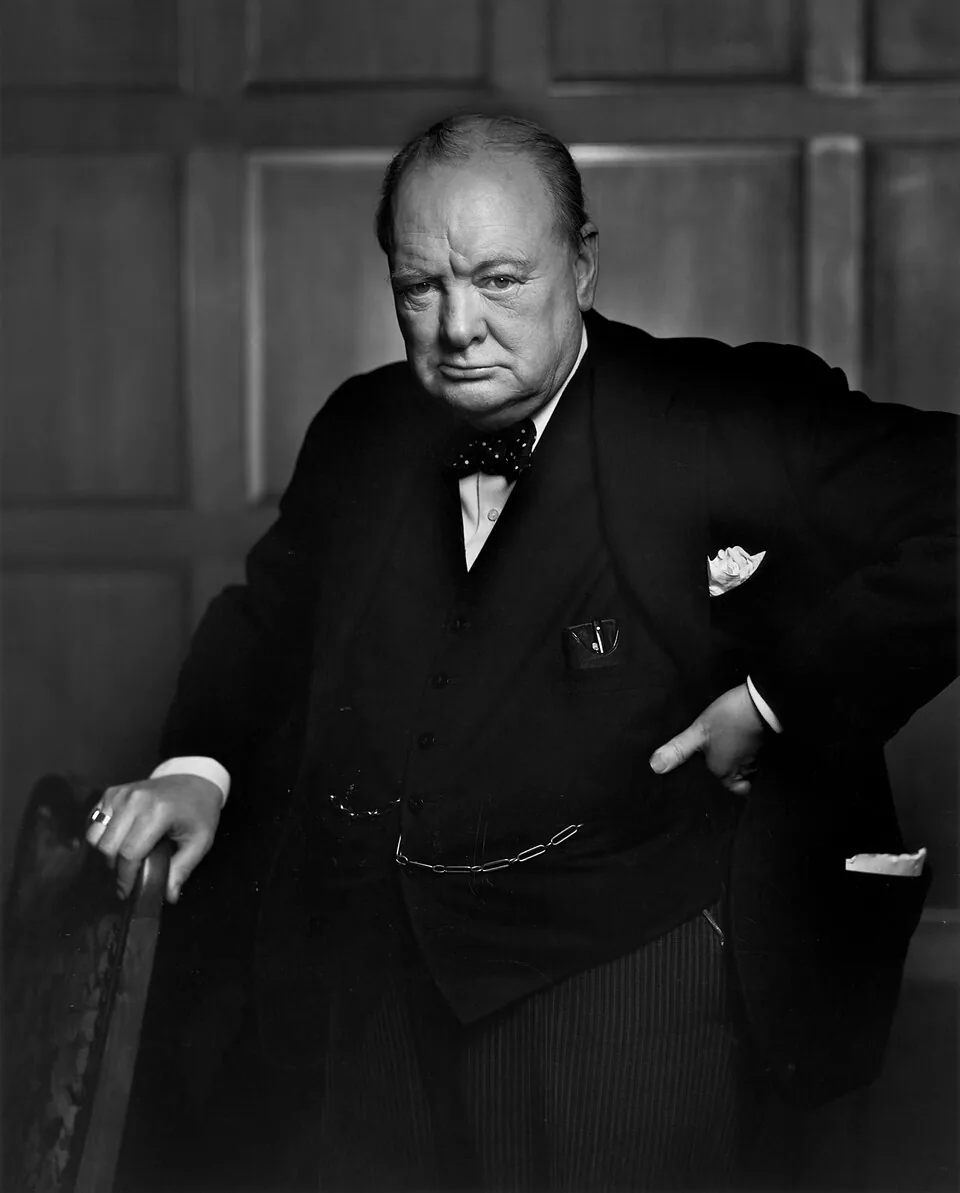
Churchill is the site’s clearest case of a school record being misread in both directions. He was genuinely near the bottom at Harrow, and he did need three attempts at Sandhurst — and he then finished near the top of his class there, and won a Nobel Prize in Literature.
Winston Churchill’s estimated IQ
- Nobel Prize in Literature, 1953, for his historical and biographical writing and his oratory — the only British prime minister to have won it.
- A very large body of published prose written to professional deadlines, including the six-volume The Second World War and the four-volume A History of the English-Speaking Peoples.
- Passed out of Sandhurst near the top of his class, having entered on his third attempt at the examination.
- Documented strength in English and history at Harrow, alongside documented weakness in Latin and mathematics — a marked and consistent unevenness rather than general weakness.
This range rests on adult output, and adult output is exactly what a person with private secretaries, research assistants and an enormous appetite for dictation can maximise. Churchill’s productivity is real, but it is a product of method and resources as well as ability, and a historiometric estimate cannot separate the three.
- Born
- 30 November 1874, Blenheim Palace
- Died
- 24 January 1965, London
- Field
- Politics, history, journalism
- Education
- Harrow (1888–92); Sandhurst (1893–94, admitted at the third attempt)
- Known for
- Wartime premiership; Nobel Prize in Literature 1953
- Circulating figure
- 150–151, unsourced
What an IQ of 140–160 actually means
Set the claim aside for a moment. If someone genuinely scored in this range, here is what that would represent.
Average is 100 by construction, and about two-thirds of people fall between 85 and 115. Take the test to place your own score on this scale.
| Score range | Classification | Share of people | What it indicates |
|---|---|---|---|
| 85 – 114 | Average | ~68% | The range most people fall into. |
| 115 – 129 | Above average | ~13.6% | Roughly one person in seven. |
| 130 – 144 | Gifted | ~2% | The threshold most high-IQ societies use. |
| Above 144 | Highly gifted | ~0.1% | Figures above this range are extrapolated from the curve rather than measured. |
Percentages are approximate and describe a normal distribution. The same number means different things on tests with different standard deviations.
Thirty questions gives you a measured position on this exact scale — your score, your percentile and the ability breakdown behind it.
Find out in 30 minutes →Who Winston Churchill was
Winston Churchill was born at Blenheim Palace in 1874. He went to Harrow in 1888, entered Sandhurst in 1893 at the third attempt, and served as a cavalry officer and war correspondent in India, Sudan and South Africa before entering Parliament in 1900.
His political career ran for more than half a century and included two terms as prime minister, the second from 1951 to 1955. The wartime premiership from 1940 is what the reputation rests on, and the oratory of that period is part of what the Nobel committee cited in 1953.
He wrote throughout — journalism, biography, and the multi-volume histories that were his main source of income for much of his life. The output is very large, and it was produced largely by dictation to a rotating staff of secretaries, often late into the night.
 By Elora Mercer, Celebrity Research WriterFigures checked by Leon Falkner, Data & Research Analyst
Reviewed by Aarav Vardhan, Editor-in-Chief · Last reviewed August 2026
.jpg)
Winston Churchill: the documented record
The estimate above rests on this record. Every entry here is a matter of public fact, which is more than can be said for the number itself.
- 1874Born at Blenheim Palace.
- 1888Enters Harrow on a poor entrance examination, placed in the lowest form.
- 1893Admitted to Sandhurst at the third attempt.
- 1894Passes out of Sandhurst near the top of his class.
- 1899Captured and escapes during the Second Boer War; the escape makes his name.
- 1900Enters Parliament.
- 1940Becomes prime minister.
- 1953Awarded the Nobel Prize in Literature.
- 1965Dies in London.
Where the 150 figure came from
Following a claim back to its first appearance is the part almost nobody does — and it is what most people are actually asking.
Two stories circulate about Churchill and both are wrong. The first is that he was a dunce — a story he encouraged himself, in My Early Life, because a late bloomer makes a better narrative than a boy who was simply bad at Latin. The second is the corrective overreach: that he was secretly brilliant all along and the school record proves it.
The record supports neither. He entered Harrow in 1888 on a poor examination and was placed in the lowest form. He was consistently weak at classics and mathematics. He was also consistently strong at English and history, won a prize for reciting a very long poem from memory, and wrote fluently from an early age. That is a specific profile, not a general level, and it is precisely the shape that a single number destroys.
The Sandhurst sequence is the part most worth knowing. He failed the entrance examination twice and passed on the third attempt, with marks good enough for the cavalry but not the infantry — a real and documented shortfall. He then finished near the top of his class. An institution he struggled to enter turned out to be one he was well suited to, which is a fact about fit rather than about capacity.
How we read a number →Awarded for his historical and biographical writing and his oratory. A documented award with a published citation.
A direct examination of the Harrow record by the principal Churchill scholarly body, treating the dunce story as a myth while confirming the low placement and the subject unevenness.
His own account of Harrow and Sandhurst, and the origin of much of the dunce narrative. Should be read as self-presentation, not as record.
Entrance marks sufficient for a cavalry rather than an infantry commission; passed out near the top of the class.
Churchill was born in 1874 and left formal education before intelligence testing existed. No school, army or government record of a test result exists.
Source URLs and first-appearance date pending audit.
Presented on several pages as a recorded result. No test, date or examiner is ever named.
The sources behind our estimate
The figures that circulate for Winston Churchill, what we were able to confirm, and where the two diverge.
Around 150 is the usual figure, with 151 appearing on several pages as though it were a recorded result. Both circulate alongside the claim that Churchill was a dunce who overcame a low IQ.
Churchill was never tested, and no result exists. The “dunce” story is not supported by the record either — the International Churchill Society, which has examined the school documents directly, treats it as a myth. He was placed low at Harrow on a poor entrance examination and did badly at subjects that bored him, while doing well at English and history throughout.
The low end comes from readings of the Harrow placement; the high end from the Nobel and the published output. Both are inferences about the same person from opposite ends of his life.
Want a number that does hold up? Every figure on this page is somebody’s claim. Take the 30-question test and get a percentile you can check rather than a figure you have to trust.
Winston Churchill — frequently asked
What was Winston Churchill’s IQ?
No test exists — he was never tested, and no result appears in any school, army or government record. The 150 or 151 that circulates has no source. Our 140–160 range is inferred from his published work and record.
Was Winston Churchill a bad student?
He was placed in the lowest form at Harrow on a poor entrance examination and was weak at Latin and mathematics. He was strong at English and history throughout. The International Churchill Society treats the “dunce” story as a myth.
How many attempts did Churchill need to get into Sandhurst?
Three. He passed the entrance examination on the third attempt in 1893, with marks sufficient for the cavalry but not the infantry — and then finished near the top of his class.
Did Churchill win a Nobel Prize?
Yes, the Nobel Prize in Literature in 1953, for his historical and biographical writing and his oratory. He is the only British prime minister to have won one.
Did Churchill have dyslexia?
It is sometimes suggested, on the basis of his weakness at spelling and classics, but there is no contemporary diagnosis and no documentary evidence. It should be treated as speculation.
How does Churchill compare with other politicians on this site?
He sits alongside Abraham Lincoln, above Barack Obama and John F. Kennedy. Kennedy is the only one in the category with an actual measured score — 119, from Choate.
How does my IQ compare with Winston Churchill?
You can find out in about fifteen minutes. The IQ Metrics assessment is 30 questions, scored on the same 100-mean scale used throughout this page, so your result and the estimate above are at least expressed in the same units — one measured, one inferred. Once you have a number, the leaderboard shows where it would sit, and how we score and norm it explains the benchmarking.
Where does this estimate come from?
From the documented record rather than a test — the method is named above and set out in full under how we read a number. Compare it against the other politics profiles, starting with Thomas Jefferson.
- Take the 30-question IQ test — get a measured score and percentile of your own
- Average IQ by country — how the scale behaves across populations
- How IQ Metrics scores its assessment — the method behind our own number
- More on how IQ testing works — reliability, error and what a score can and cannot say
- More politics profiles — same field, same method
More politics
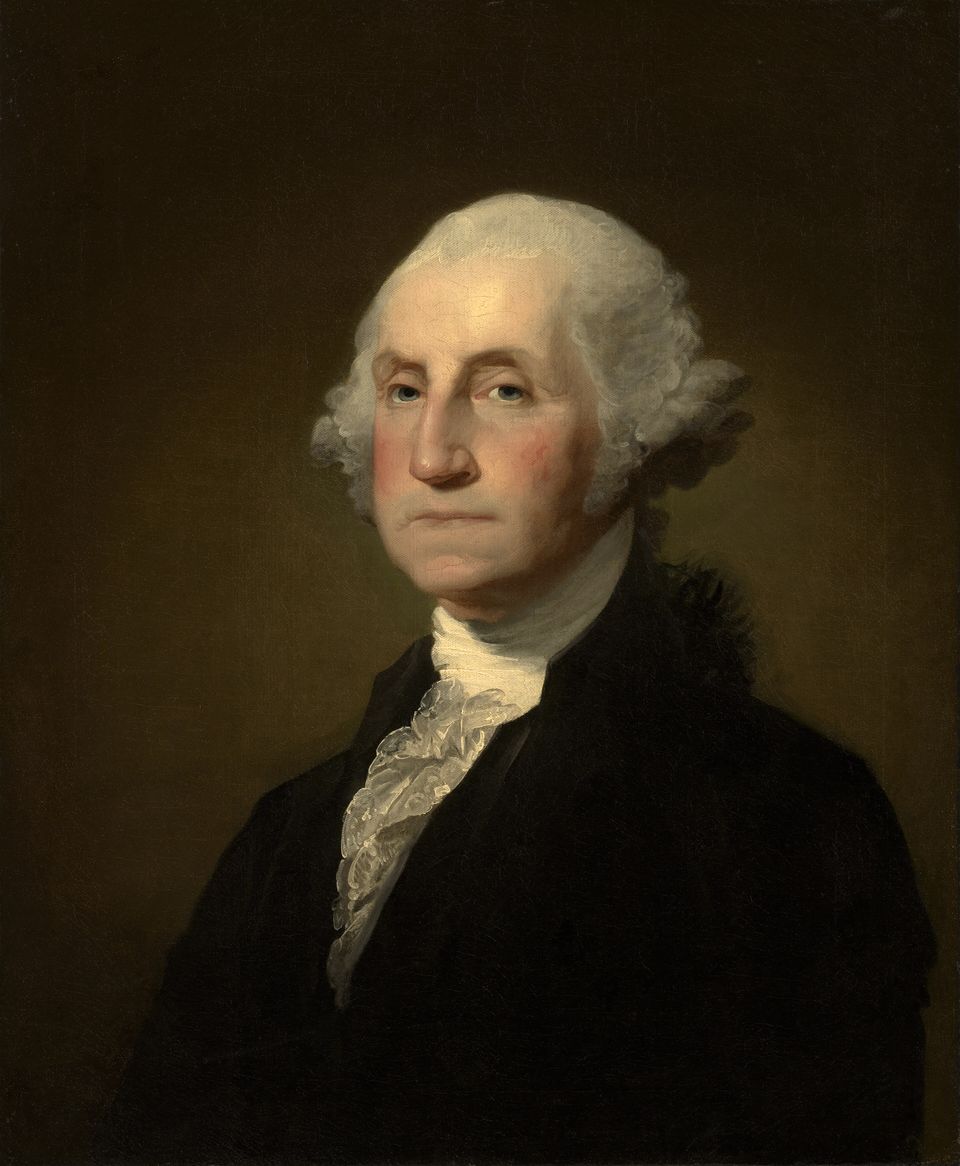
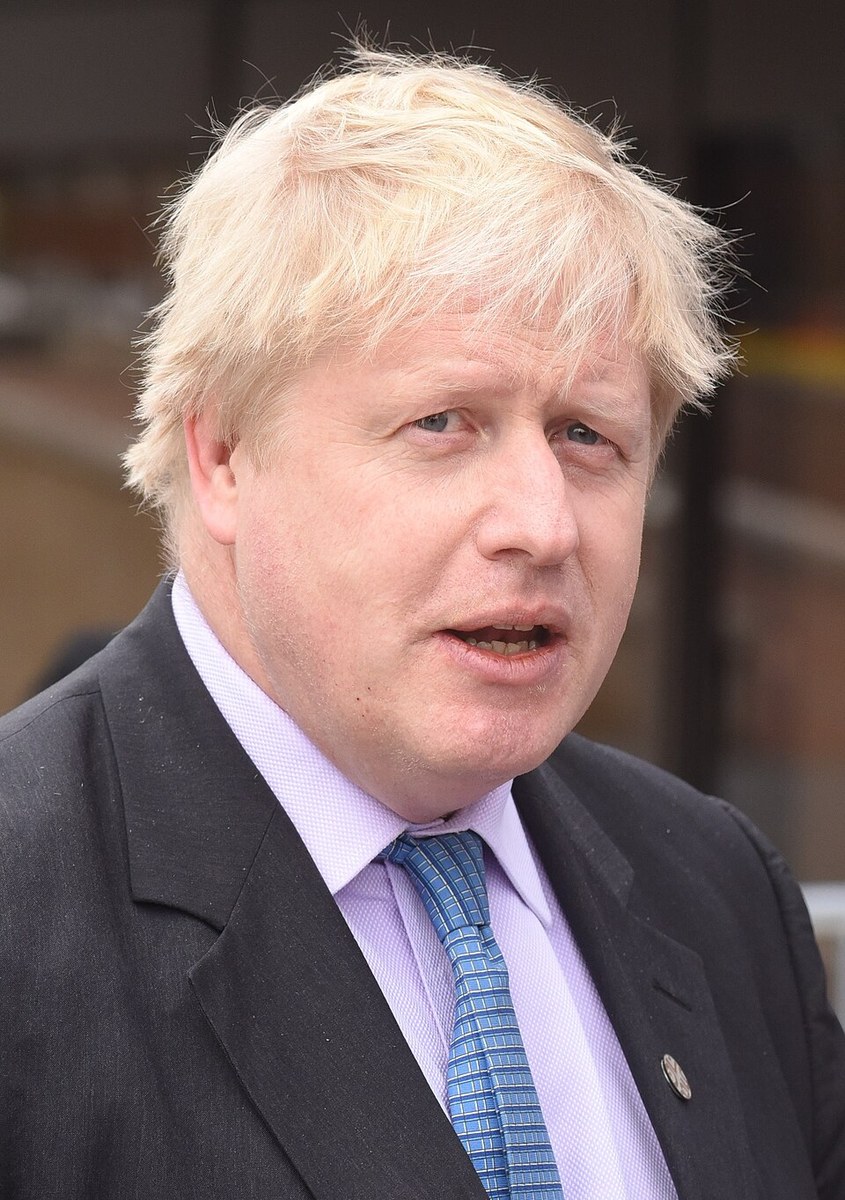
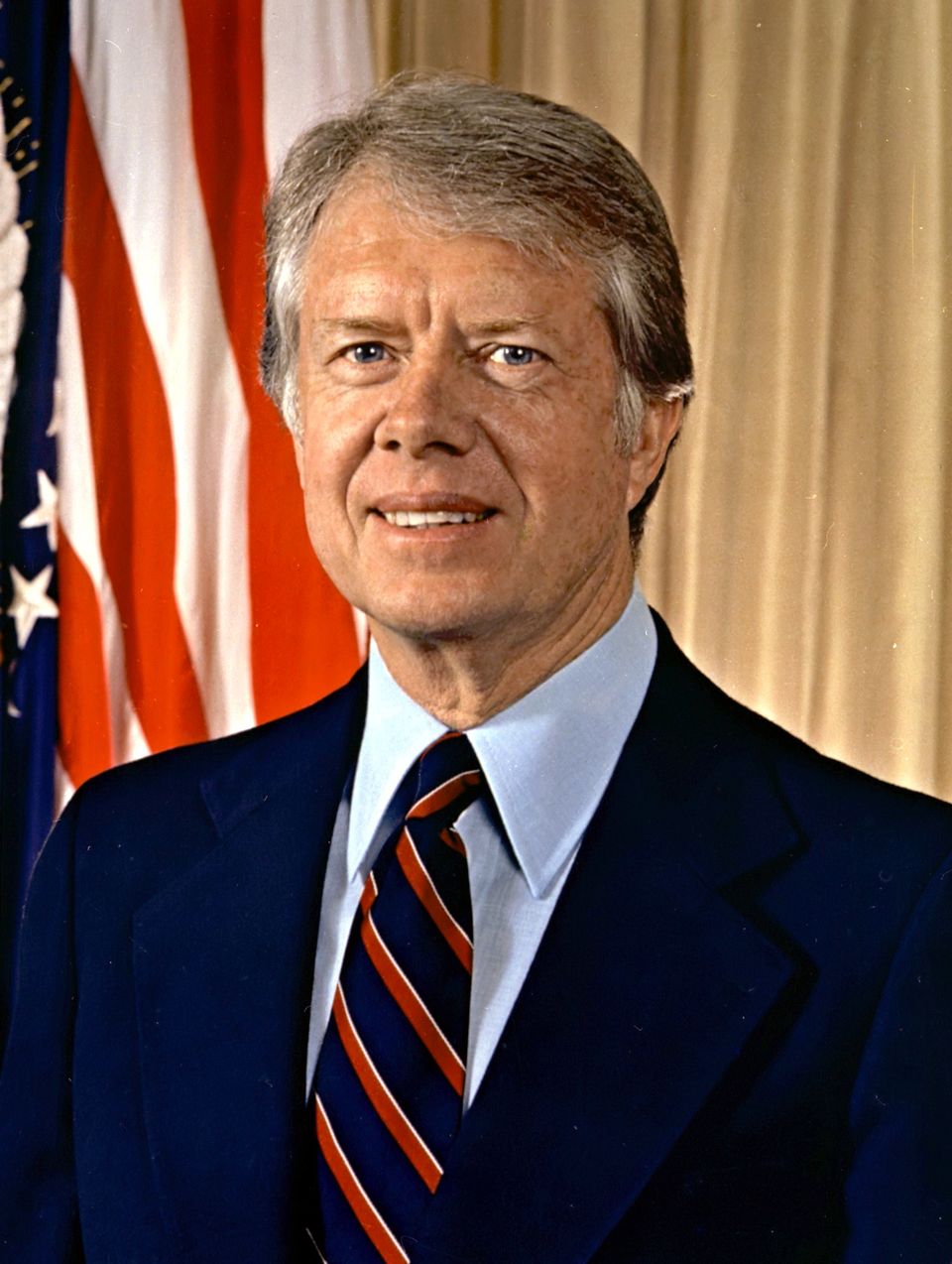
Portrait by Gilbert Stuart (the Williamstown portrait, his copy of the Athenaeum portrait, in the Clark Art Institute), public domain. · Photograph by Velislav Nikolov (EU2018BG), via Wikimedia Commons (Informal Meeting of the Foreign Affairs Council, February 2018), CC BY 2.0. Background removed for the portrait above. · Official U.S. government portrait (Department of Defense / Department of the Navy, 1977), via Wikimedia Commons, public domain. Background removed for the portrait above.


.jpg)
An estimate is an inference.
Yours can be measured.
Thirty questions, scored against general-population benchmarks. Your score, your percentile, your ability breakdown and a printable IIF certificate.
Find your IQ score now! →