IQ Metrics
IIF Certified Assessment Start IQ Test
IIF Certified Assessment

History of IQ Testing: Origins to Significance

History of IQ Testing: Origins, Development & Modern Significance

The history of IQ testing spans more than a century and reflects the evolution of how psychologists understand and measure human intelligence. From early attempts to quantify mental ability to modern standardized assessments, IQ tests have played a significant role in education, cognitive research, and psychological evaluation. In this article, we explore the origins of IQ tests, how they developed over time, and why they remain significant today.

IQ testing pioneer Alfred Binet conducted groundbreaking research in the early 1900s. We’ll trace its history from educational institutions and occupational evaluations to standardized testing. IQ score interpretation and use will be explained, and myths will be crushed.

IQ testing’s pros and cons will be discussed in this article. Join us as we examine the complicated network of historical events and groundbreaking studies that have illuminated the human mind. Consider whether you’re ready for this educational voyage through time. Time to jump in now.

First Steps to Assessing Cognitive Ability

When intelligence testing became popular in the early 20th century, it began. In 1905, French psychologist Alfred Binet created the first intelligence test. Mental age—a child’s average cognitive development for their chronological age—is measured using Binet’s test. Novel approach identified children who may require further education.

In Binet’s test, children were tested on language, logic, memory, and problem-solving. Binet compared a child’s scores to their classmates’ to determine mental age. This groundbreaking research led to growing interest in intelligence testing.

Binet’s test defect acknowledgement is notable. He noted that intellect is complex and hard to measure. Binet intended to identify struggling children, not design a standard IQ test.

Stanford-Binet Intelligence Test

The 1916 Stanford-Binet Intelligence Scale changed IQ testing. Stanford psychologist Lewis Terman updated Binet’s exam. The Stanford-Binet test introduced the Intelligence Quotient (IQ), a numerical measure of IQ compared to peers.

Terman’s test added tasks and increased scoring over Binet’s. Researchers divided chronological age by mental age and multiplied by 100 to calculate IQ. This method allowed us to consistently compare IQ across age groups.

The Stanford-Binet quickly became the standard IQ test. Its widespread use in schools and the military has made it a regular intelligence assessment approach. This test has been modified numerous times to reflect social and cultural changes to be relevant in today’s environment.

Early Modern Intelligence Quotient Test Improvement

IQ tests were popular in the early 1900s. These tests helped governments, schools, and companies identify talented kids and those who needed more help in class. The assumption that IQ scores predicted a person’s ability to succeed in various fields led to the classification of people into intellectual categories.

Many population- and task-specific intelligence tests emerged from the growth of IQ testing. These tests assessed verbal, mathematical, and spatial intelligence. The Wechsler Adult Intelligence Scale (WAIS) and WISC are common multi-level intelligence examinations.

The early 20th-century eugenics movement also depended on IQ testing. Eugenics advocates believed that high-IQ people should procreate while low-IQ people should be discouraged to better society’s genetic makeup. The mistaken belief that IQ controlled human reproduction led to discriminatory behaviors and policies.

Disavowals and IQ Exam Debates

Despite its widespread use, intelligence testing has been criticized. Concerns about cultural bias in these assessments are high. Due to their significant use of cultural and language references, IQ tests may benefit certain groups. This raises questions about whether IQ testing are a valid and fair tool to assess intelligence across populations.

Some believe that IQ testing don’t assess practical, emotional, or creative intelligence. No test can accurately evaluate IQ since it’s complex. Due to exam anxiety, motivation, and socioeconomic status, IQs don’t necessarily reflect talent.

IQ tests in schools and the workplace are controversial. Many argue that employing IQ testing for admittance and employment can prevent disadvantaged people from rising in their careers. Success requires multiple skills, but focusing on one measure of intellect risks disregarding them.

New Intelligence Assessments

Recent trends have broadened the definition of intelligence. Scientists and mental health experts have long recognized that intellect is dynamic and complicated. Because of this, extra-IQ tests have evolved.

One method is Howard Gardner’s multiple intelligences hypothesis. Gardner lists language, musical, spatial, bodily-kinesthetic, interpersonal, intrapersonal, and naturalistic intelligence. This ideology encourages and develops all sorts of intelligence, recognizing that people are capable of different things.

Another new field of study, emotional intelligence, involves understanding and managing your emotions. Emotionally intelligent people can recognize and comprehend themselves, empathize with others, and manage relationships. This holistic perspective of intelligence recognizes emotional and social intelligence’s role in life’s obstacles.

The Value of IQ Tests in the Classroom and Workplace

Despite the criticism, intelligence testing is still widely employed in school and employment. School placement, gifted programs, and special education help use IQ tests to predict academic success. Industry that values intelligence and analytical thinking may use intelligence tests to hire.

One must be mindful of the limitations of employing IQ tests in such scenarios. Motivation, ambition, and social graces are as crucial as IQ in completing goals. Educational and employment systems should use more elements to assess potential fairly and inclusively.

Cognitive and cultural preferences questionnaires

Cultural prejudices may alter IQ test scores, a major argument against them. People who devised traditional IQ tests may have used language, attitudes, and experiences from their own culture. This may disfavor anyone unfamiliar with the test’s cultural connotations.

We have tried to address these biases and create culturally fair assessments. Culturally fair tests help test takers from various backgrounds understand and perform effectively. These tests reflect each test taker’s experiences and expertise.

Different Intelligence Assessment Tools

Different intelligence exams strive to capture more diverse skills, and there are various schools of thought. Performance-based evaluations like portfolios and project-based assignments can expose a person’s capabilities and abilities. Candidates must demonstrate their talents in real-world situations on these assessments.

Additionally, subjective judgments by professors and pupils may reveal an individual’s intellectual strengths and weaknesses. In addition to IQ, these exams measure creativity, critical thinking, and cooperation.

Final Thoughts on IQ Testing Controversy

This metric has had a significant impact on how we perceive intelligence, and we are now coming to the end of our tour of the origins and significance of intelligence testing. In the past, intelligence tests have had an impact on schooling, hiring practices, and worries regarding human potential.

It is important to be aware of the limitations and cultural biases associated with IQ testing, despite the fact that it contributes to the process of identifying cognitive ability. No single test can adequately capture all of the facets that make up intelligence. Enhancing intelligence comprehension and promoting evaluations that are equal and inclusive can be accomplished through the use of alternative tests and theories that acknowledge human attributes.

Studying human intelligence involves keeping an open mind and challenging existing paradigms. To truly grasp the vast range and endless potential of the human mind, we must ensure that research and discussions on intelligence continue indefinitely.

tests and integrating them into a full intelligence setup.

If you’re curious about how IQ scores are measured or want to see how you perform, you can take an online IQ test on our homepage to explore your own reasoning and problem-solving skills.
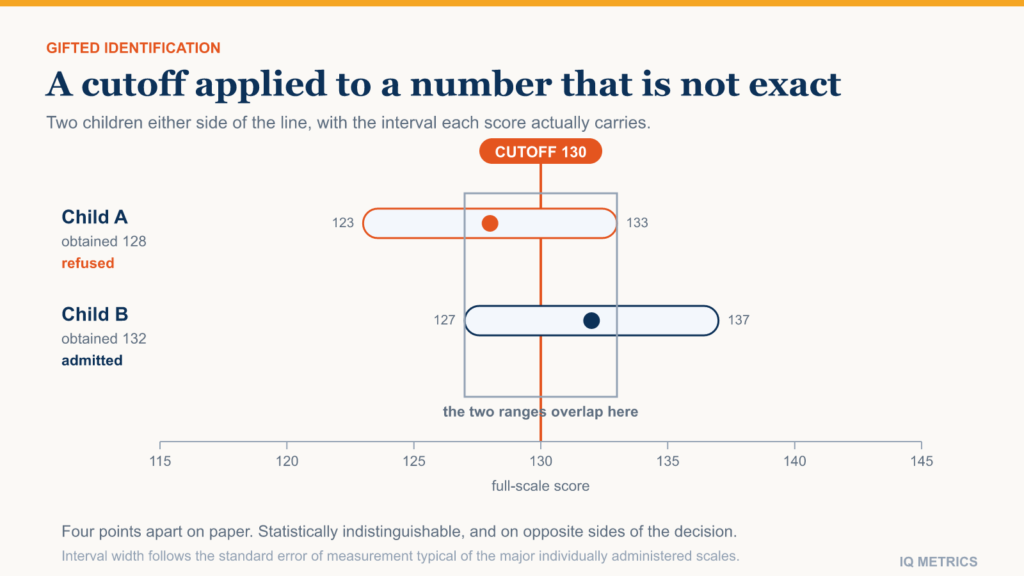
Gifted Cutoff Scores

Gifted Cutoff Scores

Most gifted programmes draw their line at an IQ of

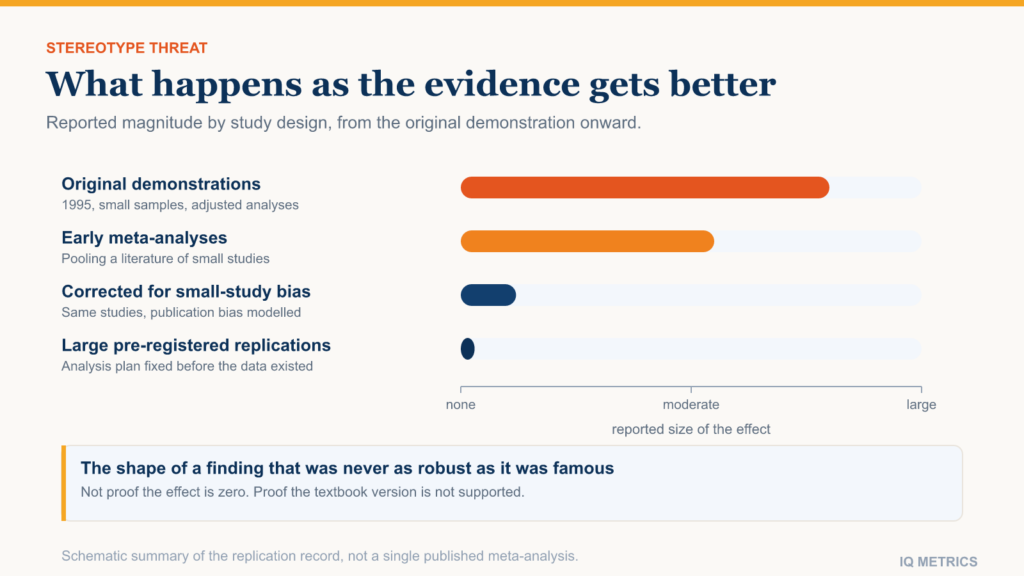
Stereotype Threat and Test Scores

Stereotype Threat and Test Scores

Few findings in psychology have been cited as widely, or

Nutrition and IQ

Nutrition and IQ

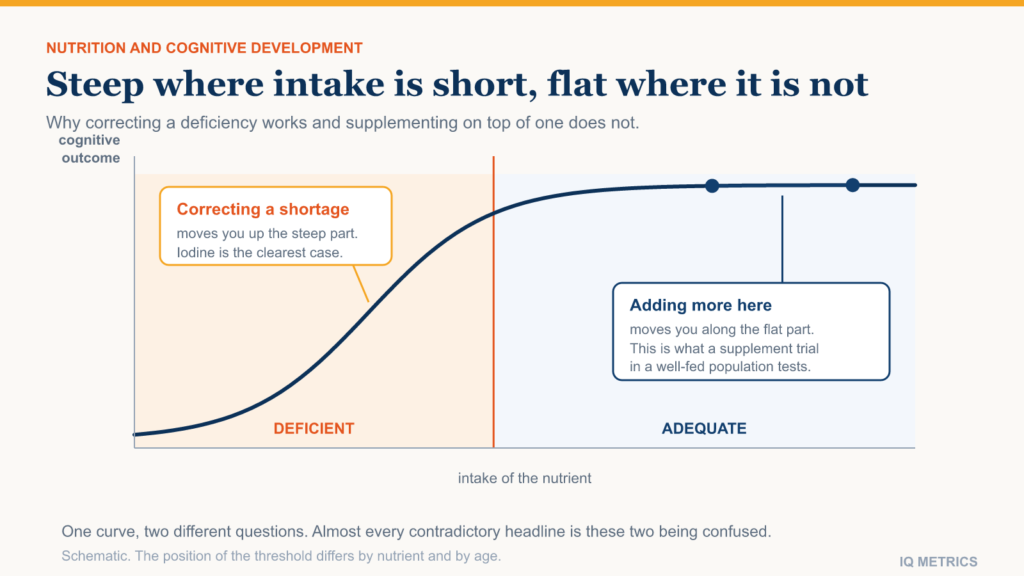
The evidence on diet and intelligence looks contradictory until you

What Are The Advantages of IQ Test?

What Are The Advantages of IQ Test?

Since its inception, intelligence testing has piqued the curiosity of psychologists and other mental health professionals. In the late 19th century, Alfred Binet did groundbreaking work that laid the groundwork for the field of intelligence testing. The Binet-Simon Scale, created by the French psychologist Binet, is considered the grandfather of contemporary intelligence testing.

Where Intelligence Quotient Scales Came From: Alfred Binet and the Binet-Simon

In the beginning of the twentieth century, a battery of intelligence tests known as the Binet-Simon Scale was created by Alfred Binet and his collaborator Theodore Simon. Their main goal was to identify pupils who needed classroom aid. Several tests assessed a child’s verbal reasoning, memory, and problem-solving skills. Modern intelligence testing began with Binet’s work.

Lewis Terman’s Contribution to the Stanford-Binet Test

An American psychologist named Lewis Terman created the Stanford-Binet Intelligence Scale in 1916 by modifying and expanding upon Binet’s initial test. Terman added normative standards and changes to broaden the test’s age range. The Stanford-Binet IQ test became popular quickly in the US.

William Stern’s Concept of IQ: An Introduction

The idea of Intelligence Quotient (IQ) was first proposed in 1912 by German psychologist William Stern. The intelligence quotient (IQ) measures a person’s level of intellect in comparison to others their age. A consistent criterion for assessing individuals’ cognitive capacities was provided by Stern, who revolutionized the way intelligence was measured.

The Stanford-Binet Test and Its Influence on IQ Evaluation

The Stanford-Binet examination has been subjected to a variety of improvements and revisions during the course of its existence. Because of the wealth of information it provides regarding the intellectual capacity of individuals, it continues to be utilized in a variety of educational and therapeutic settings. Because of its dependability and adaptability, the test comes at a pivotal point in the history of intelligence testing.

Wechsler’s Intelligence Scales represent a revolutionary innovation.

The Wechsler-Bellevue Intelligence Scale was an innovative technique to evaluating cognitive ability that was established by neuropsychologist David Wechsler in the 1930s. Visual reasoning, processing speed, working memory, and verbal comprehension were some of the more broad cognitive talents that Wechsler evaluated. They were also included in the list. A more nuanced and comprehensive picture of an individual’s cognitive capabilities and limitations was created by these comprehensive tests.

Understating the significance of the Wechsler Adult Intelligence Scale

Wechsler created a revolutionary tool for assessing adult intellect with the Wechsler Adult intellect Scale (WAIS). The Work Involved in the Assessment of Skills (WAIS) measures a wide range of cognitive abilities, including visual organization, processing speed, working memory, and verbal understanding. Its widespread use, which initially shocked experts, eventually made it the go-to tool for adult IQ testing.

Here we’ll look at how the IQ test came to be and how it has impacted the field of educational psychology.

Educational psychologists swiftly came to recognize IQ testing as a reliable tool for gauging pupils’ general and domain-specific cognitive capacities. Using IQ tests, we could find out which students were really bright and which ones needed more help in the classroom. However, there have been debates regarding the limitations and potential biases of conventional intelligence tests when it comes to determining an individual’s IQ.

The Role of Psychometrics in the Evolution of IQ Exams

The development of intelligence tests was a direct result of psychometrics, which is the study of mental behaviors. In order to more accurately measure intellectual capabilities, psychometricians have improved the accuracy, precision, and fairness of intelligence tests. Their efforts contributed to the development and upkeep of IQ testing.

Recent Disputes and Rebuttals Regarding IQ Testing

There have been many arguments and critiques of IQ testing, despite its broad use. The possibility of cultural bias in IQ tests is a point of contention among critics. Some people believe that IQ tests only measure cognitive talents, and they want a broader definition of intelligence that takes emotional and social intelligence into account. The future of IQ tests is still being determined by these arguments.

In summary: Maintaining Importance and Looking Ahead to IQ Testing

Since its beginnings, IQ testing has undergone significant evolution, providing a standardized measure of intellect with far-reaching ramifications in domains such as education, psychology, and employment, among others. A vital tool for evaluating human cognitive capacities, IQ testing continues to be debated for all its flaws. Progress in psychology suggests that intelligence quotient (IQ) tests will change and develop over time to reflect a fuller picture of human intellect.

The validity of intelligence testing as indicators of future success in school has been debated for quite some time. There is a lot more going on with these exams than what you may see at first glance, though. Learn how IQ tests can open doors to success in life and work by delving into their hidden benefits in this article.

What are IQ tests?

A person’s cognitive talents and intellectual potential can be measured by standardized evaluations known as intelligence quotient tests, or IQ tests. Common abilities tested on these exams include the ability to reason logically, solve problems, understand spoken language, and navigate spatial relationships. Their primary function is to measure cognitive capacity relative to that of the general population.

A look back at how intelligence tests have evolved

The idea of IQ tests has been around since the turn of the twentieth century. The first IQ test, the Binet-Simon Scale, was created in 1905 by Alfred Binet and Theodore Simon. The original intent of this test was to help determine which students would benefit most from supplementary educational materials. Theoretically and methodologically, intelligence tests have progressed and become more complex over the years.

Comprehending the results and meaning of intelligence tests

The intelligence quotient (IQ) is a numerical representation of test results for intelligence. This number is arrived at by comparing a person’s test results to those of a statistically valid cross-section of the population. With a score of 100 as the norm, those with above-average intellect are those with below-average intelligence, and vice versa.

Remember that intelligence quotient (IQ) values are more of a relative assessment than an absolute one. A person’s cognitive ability can be captured in a single image via these tests. Since many IQ tests assess different dimensions of intellect, results may vary slightly across tests.

A contentious discussion on intelligence testing

Despite the fact that they are widely used and generally accepted, intelligence tests have been the subject of a great deal of criticism and debate. In the opinion of some opponents, individuals who come from specific backgrounds or who have specific degrees of education may be given an unfair edge on intelligence or intelligence tests. Because intelligence is a complex and multi-faceted concept, there are those who say that there is no one test that can accurately measure someone’s level of intelligence.

Some individuals are of the opinion that intelligence tests do not adequately reflect the whole scope of human intelligence, which encompasses aspects such as the capacity to think creatively, emotionally, and practically when confronted with specific challenges. Their point of view is that placing an excessive amount of importance on IQ scores can result in the neglect of other talents and capabilities that are equally as significant.

Several advantages of conducting IQ tests

We must acknowledge the benefits of IQ tests despite their disputes. These exams reveal a person’s cognitive strengths and weaknesses. A good understanding of our cognitive abilities helps us make better work, academic, and personal growth decisions.

IQ testing can help with introspection and progress. They can help identify strengths and weaknesses. Understanding one’s skills and flaws may free everyone.

There are several concrete and intangible ways in which people can profit from IQ testing.

A large range of life outcomes have been linked to high IQ scores, according to research. Higher IQ scores are associated with better health, more favorable job opportunities, and higher levels of financial success. In general, their health is often better as well. If this link is to be believed, IQ tests can serve as indicators of future success in certain fields.

Individuals with higher IQs are more likely to get what they want out of relationships since they are more adept at communicating and solving problems. In most companies, those with high IQs are given more opportunities to rise through the ranks and into leadership positions.

Is there anything we can glean about academic and professional achievement from IQ tests?

For quite some time, schools have relied on IQ testing to determine which students are extremely bright and to provide them with the appropriate support. The results of these evaluations can help educators better adapt their classes to the needs of their students by revealing where their students excel and where they need improvement.

A person’s intellectual talents can be better understood by taking an intelligence test as part of their professional development process, which can help them choose a career route. These are useful for finding out people’s strengths and the types of jobs they would enjoy doing the most. Besides as part of the employment process, many organizations administer intelligence tests to new staff members.

How to Prepare Yourself for the Intelligence Tests

You must be mentally ready and in the appropriate mindset before taking an intelligence exam. To provide your best, consider these tips:

1. Learn the test’s format—many IQ tests use timed tasks, riddles, and multiple-choice questions. You should study the format to prepare for the test.

2. Review sample questions: Many online resources offer IQ test practice tests and questions. Answering these questions regularly with practice can improve your speed.

Finally, improving your problem-solving skills, coupled with critical thinking and creativity, is often used to assess intelligence. Learn several problem-solving methods and experience using them in different situations.

Make sure you’re healthy before taking an IQ test by getting adequate rest, eating well, and managing stress. To perform well, stay cool and obtain adequate sleep.

Future IQ testing may impact society in numerous ways.

Tools and methods to measure intelligence will evolve as we learn more about intelligence. The current intelligence tests may soon include emotional intelligence and creative exams. Tailor-made assessments may be popular since they address each student’s strengths and limitations.
IQ tests can transform civilization. Intelligence testing helps uncover and develop gifted brains in the hard sciences, arts, and humanities. They can also reduce the gap between degree holders and job holders by identifying individuals who need more help.

In summary: Recognizing the value of intelligence testing

However IQ tests are usually misunderstood and criticized, they possess some hidden advantages. Intelligence quotient (IQ) tests are helpful devices for making decisions in our personal and professional life since they offer useful insights into our mental talents and capabilities.

Although IQ tests have flaws they play a role in supporting individuals in self-awareness, perhaps resulting in improved educational prospects and progress in their careers. We could improve our intellectual capacity by accepting the accuracy of IQ tests and integrating them into a full intelligence setup.

Gifted Cutoff Scores

Gifted Cutoff Scores

Most gifted programmes draw their line at an IQ of

Stereotype Threat and Test Scores

Stereotype Threat and Test Scores

Few findings in psychology have been cited as widely, or

Nutrition and IQ

Nutrition and IQ

The evidence on diet and intelligence looks contradictory until you

What is Intelligence Quotient (IQ)?

What is Intelligence Quotient (IQ)?

Introduction:

Intelligence quotient, is commonly known as IQ, an important element of cognitive ability often used to measure person’s intellectual potential.
But how accurately IQ is measured ? In this blog, we explore the world of IQ testing and explain its significance.

what is IA?

History of IQ Testing –

IQ testing has a long, and unique history that goes past the twentieth century. French psychologist Alfred Binet and his co worker Simon Theodore developed the programme to measure IQ’s of the youngsters who may require further education support.

The initial IQ tests were made to find out youngsters mental age, differentiate their abilities to what is characteristics of their age.
Over several years IQ testing has grown and developed with different scoring methods, test are being more advanced and accurate.

What is Intelligence –

Before moving forward into IQ testing, it is important for us to realize what intelligence is. Intelligence is a tricky and complicated theory that surrounds a large analytical skills. It goes further than just intellectual abilities, memory, logical answering, and the ability to overcome new situations.
There are numerous theories of intelligence with some emphasizing a general intelligence component (known as the g-factor) that underpins all cognitive abilities and others proposing multiple intelligences, including linguistic, logical-mathematical, spatial, and musical intelligence. However, it is vital to remember that intelligence is not fixed and can be acquired and enhanced throughout time.

How is IQ measured?

Generally, IQ tests used by giving standardized tests that requires various analytical abilities. These tests are made to give a outcome that illustrate a person’s mental capability. The most typical method of achieving IQ tests is by differentiating between two individual’s tests score to a representative sample of the population, known as the norm group.

It is important to note that IQ tests should only be conducted and evaluated by skilled specialists to ensure their correctness and reliability. To interpret IQ scores, one must first grasp the test’s limits as well as the individual’s background and environment.

The components of IQ Tests –

IQ tests evaluate a wide range of cognitive abilities that are thought to contribute to intelligence. IQ tests have several significant components, including:

1. Verbal Comprehension : This element evaluate an individual’s skill to understand and manoeuvre language, including vocabulary, verbal reasoning, and grasping abilities.

2. Perceptual Reasoning : This element calculates an person’s skill to keep up and rate perceivable designs, solve mathematical problems and operate things mentally.

3. Working Memory: Working memory advert to person’s skill to keep up and manoeuvre information in their mind. It associates tasks such as remembering and rearranging numerical or alphabetic sequences.

4. Processing Speed : This element evaluate how swiftly a person can recollect and respond to optical information .It involves tasks such as identifying symbols or matching patterns under limited time.

These components offer a thorough evaluation of a person’s mental ability, giving more of a delicate understanding of their cognitive pros and cons.

The Significance of IQ Scores –

IQ scores have outstanding implications in various stages of life. They can give us the insights of an person’s mental ability, granting them to make important decisions about their career and educational paths. However it is crucial to know and recollect that Intelligence Quotient or IQ tests are just a piece of the puzzle and should not be the one and only factor of a person’s abilities or potential.

IQ can be effective for people who may require extra counselling or improvement in educational amenities. They can help teachers in developing focused aid and providing the necessary items to help people to unlock their full potential.

Besides, IQ scores have been related to different types of results, such as educational achievement and career evolution. Research recommends that people who has more IQ scores outperforms that has reasonably less IQ scores, they are more likely to attain superior educational levels, and are likely to have a much more successful jobs.

IQ and Academic Achievements –

There is a firm connection between IQ and academic expertness. Individuals with more IQ scores are most like to surpass others in academics .This is because of their higher mental caliber, such as decision making and problem-solving, are essential for having a successful academic career.

However, it is important to note that IQ is academic success is determined by factors other than intelligence quotient (IQ). Other factors such as eagerness, academic patterns, socio economic environment, plays a vital role. IQ scores should be taken into account to figure out and obtain logical understanding of a person’s skill and growth of their academic career.

Conclusion: Understanding and Interpreting IQ Scores –

To conclude, IQ is a fundamental factor of mental skill and it is often used to measure a person’s mental ability. IQ exams evaluate different mental skills, such as critical thinking, problem-solving, and memory to provide a statistical score that demonstrates an individual’s intelligence.

While IQ levels can provide useful information and impact, educational and job decisions, it is important to remember that they are only one part of the jigsaw puzzle. Intelligence is a complex concept that includes a variety of mental talents, as well as factors such as creativity, emotional intelligence, and practical skills, which all contribute to a person’s overall intelligence.

Gifted Cutoff Scores

Gifted Cutoff Scores

Most gifted programmes draw their line at an IQ of

Stereotype Threat and Test Scores

Stereotype Threat and Test Scores

Few findings in psychology have been cited as widely, or

Nutrition and IQ

Nutrition and IQ

The evidence on diet and intelligence looks contradictory until you

Unravelling Your Mind: Your Guide to Good Online IQ Tests

Unravelling Your Mind: Your Guide to Good Online IQ Tests

Delving into the Maze: Your Guide to Unravelling the World of Online IQ Tests

Ever questioned where you stand on the highbrow spectrum? The charm of IQ exams has persevered for centuries, promising a glimpse into the internal workings of our minds. While the validity of online IQ tests can be debated, the choice to task ourselves and recognize our cognitive talents stays simple. So, if you’re curious approximately navigating the labyrinth of online IQ exams, fear no longer! This guide will equip you with the expertise and tools to decipher the maze and chart your direction to self-discovery.

Can You Test Your IQ Online?

Before embarking on this quest, let’s cope with the elephant in the room: can online IQ assessments honestly degree your intelligence? The answer, like maximum matters in lifestyles, is nuanced. Traditional IQ exams, administered by trained specialists, utilize standardized gear and protocols to evaluate a broader variety of cognitive capabilities. Online versions, whilst convenient, often rely upon shorter codecs and may be liable to outside factors like time strain or environmental distractions. However, reputable online tests, while approached with awareness of their boundaries, can provide treasured insights into particular cognitive domain names like logical reasoning, spatial awareness, and verbal comprehension.

Unveiling the Top Tools: Best Online IQ Tests

Now, armed with careful optimism, permits the discovery of the landscape of dependable online IQ tests. Remember, the “excellent” take a look at depends in your particular desires and choices.

Professional IQ Assessment:

Remember, online checks can not update the insights received from a professional evaluation using a psychologist or certified expert. If you require a comprehensive assessment for instructional or professional functions, searching for expert steering is the way to go.

Decoding Your Score: What Does Your IQ Mean?

Once you have taken your take a look at it, the huge query arises: what does your score imply? It’s essential to don’t forget that IQ is simply one facet of your multifaceted intelligence. Your rating gives an image of your performance on particular obligations, but it can not define your entire cognitive capacity. Avoid falling into the lure of over interpreting or fixating on your score. Instead, cognizance on using the insights gained to become aware of your strengths and regions for improvement, and embody the adventure of continual cognitive development.

Beyond the Numbers: Applications of IQ Tests

Now that we’ve ready ourselves with the equipment and expertise to navigate the online IQ tests panorama, permits explore the sensible applications of these checks. While it is essential to keep in mind that IQ is just one issue of intelligence, it can provide precious insights in numerous spheres of life.

Job Assessment:

Many groups nowadays make use of IQ assessments as a part of their recruitment method. While some argue approximately the ethical implications and capacity for bias, these assessments can offer employers a standardized degree of certain cognitive skills applicable to unique process roles. For instance, a customer support representative in all likelihood wishes robust verbal fluency and hassle-fixing skills, which some IQ tests check. However, relying completely on IQ rankings as a predictor of job performance is complicated. Personality development, work ethic, and precise task-associated abilities additionally play vital roles in fulfilment.

Educational Purposes:

In academic settings, IQ tests can be beneficial in figuring out students with terrific cognitive talents or getting to know difficulties. Early identity allows educators to tailor mastering methods and offer suitable help mechanisms. For example, a scholar with a high score on a spatial reasoning test might benefit from extra task-primarily based mastering activities that contain visual-motor talents. Conversely, a scholar who struggles with verbal comprehension would possibly require extra aid in reading comprehension or communique capabilities. Remember, the usage of IQ score in the study room needs to be finished with sensitivity along with other assessments and observations.

Self-Awareness and Growth:

Perhaps the maximum treasured software of IQ tests lies inside the realm of self-discovery and private increase. Understanding your strengths and weaknesses in unique cognitive domains can empower you to focus on regions of improvement and broaden the centred getting of strategies. For example, in case you discover you excel in logical reasoning but conflict with verbal fluency, you may discover assets and strategies to beautify your conversation skills. This self-consciousness fosters a boom mindset and encourages you to continuously undertake your self beyond the limitations of a single score.

Navigating the Maze: Tips for Choosing the Right Test

With the myriad of online IQ assessments available, choosing the proper one can be overwhelming. Here are some hints to manual you:

Identify your goals: Are you curious approximately your well-known cognitive talents, looking for an expert assessment for academic purposes, or seeking out a a laugh project? Defining your desires will assist you chop down the alternatives.

Research validity and reliability: Look for exams developed by way of reliable agencies and based totally on sound psychometric ideas. Check for independent critiques and personal remarks to evaluate the take a look at’s accuracy and overall enjoyment.

Consider layout and price: Some exams are unfastened and short, at the same time as others require price and provide more in-depth tests. Choose a format that aligns with your time constraints and price range.

Pay attention to consumer critiques: Look for remarks on the test’s difficulty, fairness, and accuracy of results. This can provide precious insights into the general quality of the evaluation.

Interactive IQ and Cognitive Ability Assessments

Beyond traditional IQ tests, a plethora of interactive equipment and platforms can keep your mind sharp and task your cognitive abilities. Here are a few options to discover:

•Games and puzzles: Brain teasers, common sense puzzles, and approach video games can stimulate your important wondering competencies and hassle-fixing talents.

•Brain training apps: Numerous apps offer gamified exercises designed to enhance reminiscence, awareness, and cognitive flexibility.

•Non-traditional measures: Activities like mastering a brand new language, gambling a musical tool, or undertaking innovative pursuits also can stimulate your cognitive competencies and provide an amusing way to challenge yourself.

Stay Curious: Resources and FAQs for Your Cognitive Journey

As we finish our exploration of the online IQ tests realm, allow’s equip you with additional assets to gas your curiosity and keep your cognitive wheels spinning.

FAQs:

Q: Do online IQ checks as it should measure intelligence?

A: Online IQ checks can offer insights into certain cognitive skills, however, they may be no longer as complete or standardized as traditional, professionally administered checks. Their accuracy may be tormented by various factors like time strain, environmental distractions, and the take a look at’s very own limitations.

Q: Is it secure to take online IQ exams?

A: Most legit online assessments are safe, but be cautious approximately sharing personal records. Choose systems with robust privacy rules and avoid coming into any statistics you’re uncomfortable with.

Q: What if I get a bad score on an Internet IQ take a look at?

A: Remember, IQ is simply one factor of intelligence and a single score cannot outline your abilities. Focus on your strengths, include regions for development, and utilize resources to preserve mastering and growing.

Q: Are there alternative ways to degree intelligence?

A: Absolutely! Creativity, emotional intelligence, social competencies, and different features contribute considerably to our basic intellectual ability. Explore diverse activities and assessments that tap into those numerous facets of intelligence.

Remember:

The quest for self-know-how is a non-stop journey, now not a vacation spot.

Knowledge and cognitive abilities are continuously evolving, so embody lifelong mastering.

Focus on the use of intellectual tests for personal growth and self-discovery.

Celebrate your unique strengths and expand various abilities to end up a nicely-rounded individual.

Let this be the beginning of your exciting exploration into the charming world of intelligence! As you delve deeper, recollect that curiosity is the compass, and highbrow growth the praise.

Don’t Be Fooled: Demystifying Online IQ Test Myths

While we’ve navigated the panorama of online IQ tests with an essential lens, there are nonetheless lingering myths floating around. Let’s dispel some of these usually-held misconceptions and equip you with the truth:

Myth #1: Online IQ checks are foolproof measures of general intelligence.

Reality: Online IQ tests regularly consciousness on restricted cognitive domain names like logical reasoning or spatial focus. They fail to capture the overall spectrum of intelligence, which encompasses factors like emotional intelligence, creativity, and social capabilities.

Myth #2: A high score on an internet IQ take a look at guarantees success in life.

Reality: While cognitive abilities play a position, success in existence hinges on a multitude of things like painting ethic, resilience, interpersonal abilities, and flexibility. An IQ rating is simply one piece of the puzzle.

Myth #three: All online IQ tests are created identically.

Reality: Beware of online tests lacking clinical backing or transparency in their improvement manner. Stick to legitimate systems with sturdy psychometric principles and independent validation in their exams.

Myth #4: Taking online IQ exams can damage your self-esteem.

Reality: Approach online exams with a wholesome dose of scepticism and avoid basing your self-worth on a unique rating. Use them as learning equipment to become aware of strengths and areas for development, no longer as definitive measures of your value.

Myth #5: Online IQ exams can affect your future potential.

Reality: Intelligence is dynamic and malleable. Engaging in stimulating activities, obtaining new abilities, and constantly mastering can enhance your cognitive competencies throughout your life. Don’t let a web test define your capacity.

Embrace the Growth Mindset:

Instead of obsessing over scores, adopt a boom mind set. View demanding situations as opportunities to analyze and develop. Focus on nurturing your diverse talents and competencies, and actively search for studies that stimulate your creativity, social intelligence, and emotional intelligence.

Remember, the true measure of your worth lies now not in several, but in your dedication to self-discovery and lifetime mastering.

Beyond the Scoreboard:

The international online IQ assessments serve as a curious window into the complexities of human intelligence. However, it’s essential to bear in mind that they are simply one tool inside the huge toolbox of self-exploration. Use them with cognizance, have a good time with your specific strengths, embody challenges, and hold getting to know them. Ultimately, the most rewarding discoveries lie not in a single rating, but inside the continuous adventure of personal increase and the joy of becoming your great self.

Gifted Cutoff Scores

Gifted Cutoff Scores

Most gifted programmes draw their line at an IQ of

Stereotype Threat and Test Scores

Stereotype Threat and Test Scores

Few findings in psychology have been cited as widely, or

Nutrition and IQ

Nutrition and IQ

The evidence on diet and intelligence looks contradictory until you

Are IQ Tests Reliable Measures of Intelligence?

Are IQ Tests Reliable Measures of Intelligence?

In the realm of cognitive assessment, the reliability of IQ tests has always been a subject of debate. While traditional criticisms focus on the tests’ inability to measure every aspect of intelligence, there’s an emerging discussion around the evolving nature of these assessments and their role in today’s modern society.

IQ tests have historically been used to predict academic performance and have undergone significant transformations. Today, they encompass a wider range of cognitive skills, including problem-solving, logical reasoning, and memory. However, critiques persist, primarily centered on the notion that IQ tests neglect the critical dimensions of intelligence, such as creativity and emotional intelligence. It is essential to understand that while IQ tests might not directly measure these aspects, they do offer valuable insights into cognitive processing and analytical skills, which are integral components of general intelligence.

One key point of contention is the idea that intelligence is a fixed trait. Modern psychology, however, views intelligence as dynamic and multifaceted, capable of development and change over the period of time. This perspective is central to platforms like IQMetrics.org, where IQ tests are seen as tools for uncovering cognitive strengths and potential areas for growth, rather than definitive measures of a person’s intelligence.

Are IQ Tests Reliable Measures of Intelligence?

IQ tests have significant applications. In educational settings, they help identify unique learning needs, guiding educators to tailor their teaching approaches. In the professional world, these tests offer insights into problem-solving abilities and learning potential, useful for training and career development. The ability to analyze data, process information, and make informed decisions is increasingly critical in today’s complex world, and IQ tests provide a structured means to evaluate these skills.

Despite several advantages, IQ tests should be approached with an understanding of their limitations. Factors like socio-economic background, educational opportunities, cultural biases, and test anxiety can influence test performance. Thus, IQ test results should be interpreted within the broader context of these factors, considering them as part of a holistic assessment of an individual’s intellectual capabilities.

IQMetrics.org views IQ tests as a gateway to understanding the broad cognitive landscape. The aim is not to label or confine individuals but to empower them with self-awareness and insights that can guide both professional and personal growth. This approach aligns with the contemporary view that intelligence encompasses a variety of skills and abilities that can be developed and enhanced over the period time.

It is crucial to understand that while IQ tests are not exhaustive measures of intelligence, they are reliable tools for assessing certain cognitive abilities. They provide structured insights into our cognitive strengths, which can be instrumental in personal development and decision-making processes. In our pursuit of professional and personal growth, understanding cognitive abilities is invaluable. IQ tests, when used appropriately and in conjunction with other assessments, can contribute significantly to this understanding, creating a culture of lifelong learning and self-development.

Gifted Cutoff Scores

Gifted Cutoff Scores

Most gifted programmes draw their line at an IQ of

Stereotype Threat and Test Scores

Stereotype Threat and Test Scores

Few findings in psychology have been cited as widely, or

Nutrition and IQ

Nutrition and IQ

The evidence on diet and intelligence looks contradictory until you