IQ Metrics
IIF Certified Assessment Start IQ Test
IIF Certified Assessment

How long is IQ test valid?

How long is IQ test valid?

Do you want to know how long an IQ test is valid for? Have you ever wondered how accurate it is and how it affects your IQ? Stop searching now. To better understand the significance of IQ test results, this article will investigate the validity period of these assessments.

The purpose of an intelligence quotient (IQ) test is to assess a person’s potential for intellectual achievement. They reveal important information on one’s intelligence, capacity to solve problems, and general mental capacity. The reliability of intelligence tests, however, can change with the years.
How long is IQ test valid?

Recognizing the reliability of intelligence testing

IQ tests have been around for a long time as a tool for gauging mental capacity. However, in what ways can we define a valid test? The degree to which a test measures the constructs it asserts to measure is known as its validity. It describes how accurately an intelligence test evaluates a person’s intellect in the context of IQ tests.

Research comparing IQ test scores to those of other intelligence or cognitive ability measures is the standard procedure for establishing a test’s validity. In order to determine how well the test measures intelligence, they look at the relationships between the test results and other factors.

Criteria validity is one way that IQ tests are often used to prove that they are valid. An external criterion like academic performance or employment success can be used to compare test scores and see if there is a substantial relationship between the two. A valid test would have results that reliably indicate performance in these areas.

Issues with the reliability of intelligence testing

Several things can affect how reliable an IQ test is. How and what is tested is a key consideration. Various tasks that evaluate verbal reasoning, arithmetic aptitude, spatial awareness, and other facets of intelligence should be included of a well-designed test. Because of this, you can be certain that the test will provide you an accurate picture of your cognitive ability.

The original sample population is another aspect that could affect an IQ test’s reliability and validity. A statistically valid sample of people drawn from a certain group is used to standardize intelligence tests. The reliability and validity of the exam could be affected if it is later given to people from a different group. For instance, people from non-English speaking backgrounds might not be adequately measured for intellect by a test that was developed using a mostly English-speaking population.

The reliability of intelligence testing is susceptible to other factors, such as societal and technological shifts. The most prized talents change over time in tandem with society. In order to maintain their validity, IQ tests must adjust to these changes. Tests that assess proficiency in digital literacy and the ability to solve problems via the use of technology, for instance, may find more use as technology continues to advance.

The idea of reliability in testing

Intelligence testing requires validity and test-retest reliability. High test-retest reliability occurs when the same person takes the same test numerous times and receives the same score. Reliable tests should yield consistent results.

To assess test-retest reliability, give the same intelligence test to the same subjects again and compare their results. High score correlation indicates a valid and consistent test.

IQ test results must be free of mood or weariness, therefore test-retest repeatability is crucial. Unreliable exams make it hard to draw conclusions and compare people.

For what length of time are the results of intelligence testing reliable?

We will now examine the lifespan of IQ tests after we have grasped the significance of reliability and validity. Design, substance, and sample population all have a role in an IQ test’s validity. While some IQ tests tend to stay relevant for longer, others could lose some of their luster as time goes on.

An intelligence test’s useful life period could be anywhere from a few years to decades. A longer lifespan is typical for tests that undergo regular revisions and updates. To maintain their validity in measuring current cognitive capacities, these exams evolve in response to societal and technological shifts.

However, tests that don’t alter over long periods of time could lose some of their validity. The importance of some talents and abilities changes over time, and it’s possible that previous assessments don’t capture these changes well. The test’s validity could be further compromised if the population used to standardize it changes over time.

Importantly, just because an IQ test has a shelf life doesn’t imply it loses all validity after a particular amount of time has passed. Rather, it implies that the test might benefit from some revisions or updates to keep it valid. The accuracy of intelligence quotient (IQ) testing is a constant focus of research and development efforts.

Why it’s critical to regularly update and revise tests

Regular updates and adjustments are essential to maintain the continuous validity of IQ testing. The usefulness and reliability of intelligence tests are susceptible to changes in population, technology, and social norms, as indicated before. It is the responsibility of the test developers to monitor these developments and make necessary updates to the tests.

Adding or changing test items to reflect newly relevant skills and abilities is one example of how tests are updated and revised. Think about it: a new IQ test may have questions about how well you can use technology to solve problems, how critical you are, and how well you can use digital literacy.

Developers of the tests may also need to revise the criteria used to evaluate test results. To establish norms, the test must be given to a statistically valid sample of people and the average scores for various age groups must be calculated. To make sure that people’s scores are reflective of how they stack up against their classmates, the standards should be revised when the population grows or shrinks.

Ensuring that IQ tests continue to offer useful insights into a person’s cognitive ability, regular updates and changes help to maintain their relevance and accuracy.

Making sense of intelligence testing results and what they mean

Now that we’ve covered the reliability and durability of IQ tests, let’s take a look at what the results mean and how to make sense of them. A single number, the intelligence quotient, is a common way to express IQ test results.

A person’s IQ is determined by comparing their test results to those of a standardized sample. Scores above 100 indicate above-average intellect, while scores below 100 indicate below-average intelligence, with the average score set to 100.

Remember that intelligence quotient scores are just that—quotients. They give a relative IQ test that compares the test taker to a standard group. Rather than being taken as an absolute measure of intellect, IQ scores might be seen as a glimpse into a person’s potential on several types of cognitive tasks.

Also, keep in mind that IQ tests mostly assess specific types of intelligence, such the ability to reason logically, solve problems, and express oneself verbally. They could miss the mark when it comes to measuring things like social skills, emotional intelligence, or creativity.

Explanation about IQ tests and common myths around intelligence

There has been a lot of misinformation and criticism directed against intelligence testing over the years. A frequent misunderstanding is that intelligence tests gauge inherent talent or genetic predisposition. To be sure, there are many environmental and genetic elements that contribute to intelligence. Factors like education, upbringing, and motivation can impact a person’s cognitive ability at a certain point in time, which IQ tests attempt to evaluate.

Some people also falsely believe that IQ testing favor white people over those of color or those from lower socioeconomic backgrounds. Although there may be cultural bias in some test items, there have been attempts to create IQ tests that are more inclusive of many cultures. Furthermore, in order to reduce the impact of such biases, it is recommended to employ various measurements and assessments in order to get a more complete picture of an individual’s intelligence.

Recognizing the limitations of IQ tests and not relying on them alone as a measure of intellect is key when approaching them. Among the various tools available, they are simply one that can shed light on cognitive capacities.

How intelligence tests are used in the workplace and classroom

IQ tests have long been utilized in academia and industry. A child with a high IQ may do well in a more challenging or specialized school. They can also assist teachers identify children who need extra materials to succeed.

Intelligence tests assess candidates’ cognitive talents and problem-solving skills during the hiring process. However, IQ tests alone cannot fully assess a candidate’s role fit.

Not only IQ should determine a person’s educational or occupational potential. Beyond inherent brilliance, inner drive, work ethic, imagination, and emotional intelligence are essential for academic and professional success.

In conclusion, intelligence testing is a dynamic field

To conclude, IQ test interpretation and intelligence assessment require dependability and durability. The intellect exam measures problem-solving and general intelligence. However, culture, technology, and the test sample group can affect IQ test reliability over time.

Valid and reliable IQ tests need continual evaluation and adjustment. These changes preserve modern working skills. IQ is a relative measure of intelligence to a norm group, so these results should be interpreted with caution.

IQ alone doesn’t determine a person’s potential or intelligence. They are just one tool for assessing cognitive abilities. Besides IQ, creativity, emotional intelligence, and social skills are key indicators of total intelligence.

Intelligence testing methodologies and technologies will evolve with our understanding of intelligence. To better understand human intelligence, intelligence testing will evolve and adapt. IQ is simply a snapshot of cognitive capacity; it may not reflect all characteristics of intelligence. Remember this for your next IQ test.

despite its complexity.
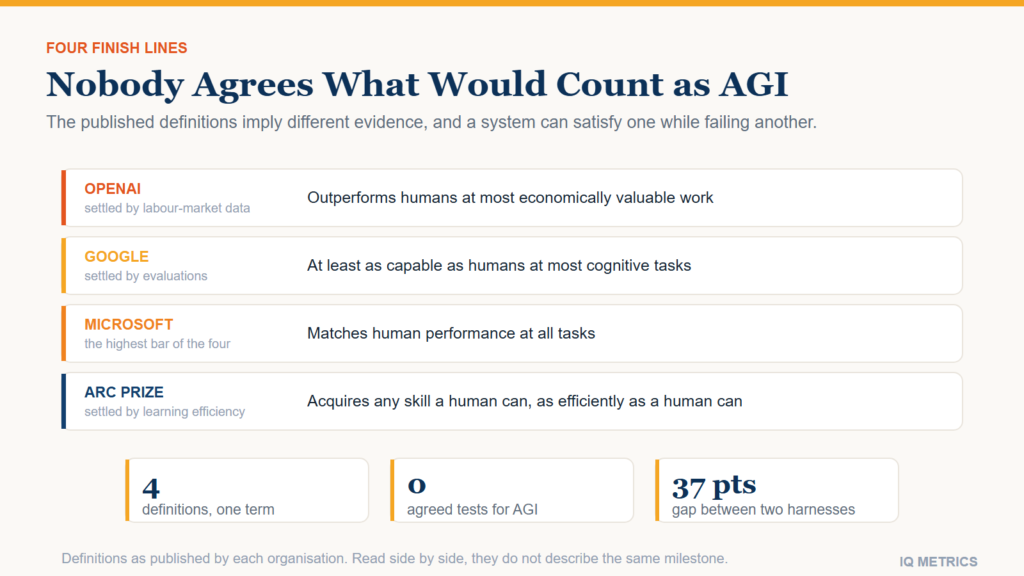
What Is AGI?

What Is AGI?

Artificial general intelligence means a system that can learn and

Does Using AI Make You Dumber?

Does Using AI Make You Dumber?

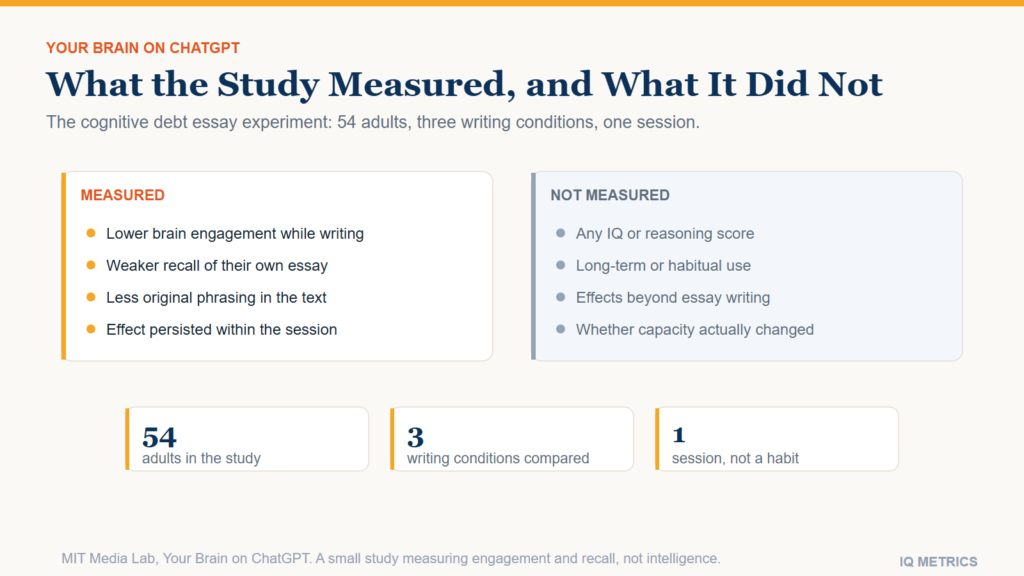
The claim that AI is making us stupider has real

What Is ChatGPT’s IQ Score?

What Is ChatGPT’s IQ Score?

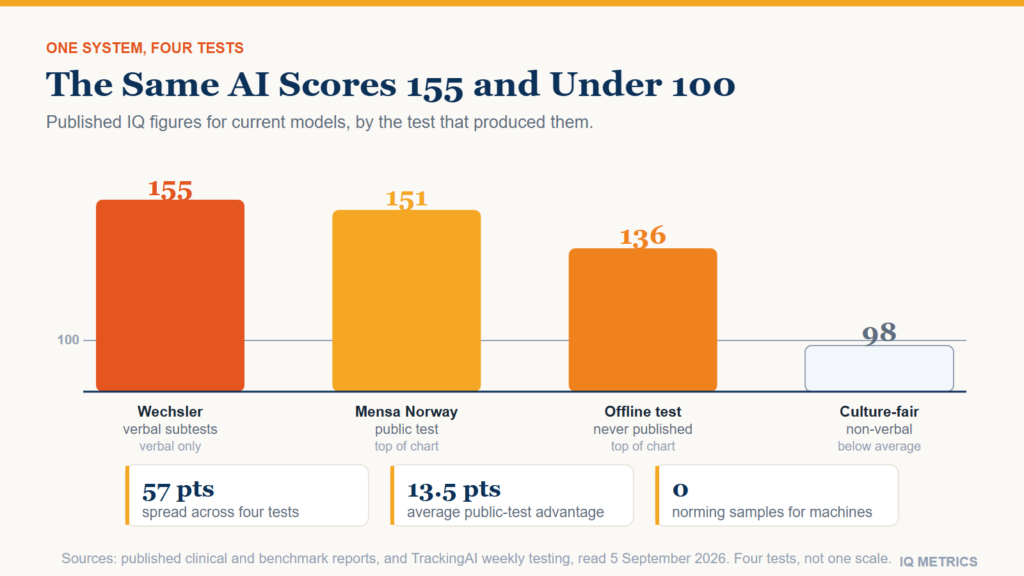
Search for ChatGPT’s IQ score and you will find 155,

What Makes IQ Test Reliable ?

What Makes IQ Test Reliable ?

How accurate are intelligence tests in gauging mental capacity? Many academics, teachers, and psychologists are interested in and have debated this subject. In “The Science Behind Intelligence Testing: Unveiling the Reliability of IQ Tests,” we examine the complex field of IQ testing and the scientific evidence supporting its validity.

This article uses psychology, statistics, and extensive research to explain IQ testing. We will research standardization, validity, and the effects of genes and the environment on intelligence to ensure IQ tests are trustworthy and valid.

We shall also define an IQ test and refute certain myths. This page is valuable for students preparing for cognitive evaluations and those interested in intelligence testing science.
Let’s learn about IQ testing and why it’s so reliable. These intriguing IQ tests reveal something about human intelligence? Let’s look.

A Look Back at IQ Exams

Over a century has passed since intelligence testing began. At the outset of the 20th century, French psychologist Alfred Binet recommended evaluating IQ. Binet and his colleague Theodore Simon developed the first standardized intelligence test, the Binet-Simon Scale.

The Binet-Simon Scale measured a child’s mental age by comparing their chronological age to their cognitive abilities. This landmark exam transformed intelligence testing and set the standard for future tests.

Over time, intelligence tests have altered a lot. After several revisions and upgrades, the Wechsler Adult Intelligence Scale (WAIS) remains the gold standard for IQ assessment.

The drawbacks of IQ testing should be noted. Some believe they are prejudiced and don’t represent all human intelligence. However, academics are always improving test formulation and statistical analysis to improve reliability and accuracy.

How Is Intelligence Defined and Assessed?

IQ is one approach to measure cognitive abilities. An IQ test that evaluates verbal, mathematical, and spatial reasoning, among other skills, determines it.

Standardized questions and activities are used in IQ tests to assess cognitive abilities. Testing is done under controlled conditions to ensure consistency and reliability.

When comparing IQ test results to a standardized population, a bell curve is sometimes used. IQ scores above or below 100 indicate above-average or below-average intelligence.
One must remember that IQ testing do not assess all intelligence. Logic, abstract reasoning, and problem-solving are their specialties. Creativity and emotional intelligence are not tested by intelligence testing.

How Trustworthy Are IQ Exams?

Consistency of test results between administrations is crucial to intelligence testing. Low dependability means test findings vary greatly, whereas high reliability means results are stable and constant.

IQ tests are created using several procedures to ensure dependability. Standardization involves delivering the exam to a large and diverse sample to establish norms and determine score ranges.

Standardization ensures the test’s sensitivity to IQ levels. It also lets you compare ratings across populations and timeframes.

Test-retest reliability is an important part of dependability since it maintains scores when the same person takes the test multiple times. High test-retest reliability indicates intelligence stability because the test scores similarly on multiple days.

Internal consistency reliability measures test validity by how effectively test items assess the same concept. Researchers can determine the test’s reliability and internal consistency by examining item correlations.

Despite IQ testing‘ reliability, exam anxiety, lack of excitement, or other distractions can still cause scores to vary. All of these factors can affect test performance and reliability.

Considerations Influencing the Validity of IQ Examinations

Several factors affect intelligence testing validity. The test technique is crucial. The most important thing is to deliver the test consistently and follow defined methods to reduce errors.
The expertise and education of test administrators also affects IQ test validity. When educated to follow protocols and offer test-takers consistent guidance, administrators are less likely to make mistakes or reveal biases.

Another factor affecting IQ test reliability is format. The population and talents studied may alter the reliability of verbal and non-verbal IQ tests.

Consider how culturally sensitive IQ tests are. IQ testing may favor certain socioeconomic or cultural groupings, which could explain why some people score higher than others. By establishing objective and culturally appropriate intelligence tests, researchers are trying to solve this challenge.

The age of IQ testing may also affect their reliability. Because IQ tests only measure intelligence at a specific instant, results from a childhood exam may not reflect adult intelligence. It’s crucial to consider age-appropriate testing for children because IQ might change over time.

Questions and Doubts About IQ Exams

Intelligence testing has been debated and criticized for years. Cultural bias in tests is a major complaint. Multiple people have raised concerns that the test questions may favor certain populations, casting doubt on the findings’ reliability and validity.

Another issue is the neglect of non-cognitive intelligence in favor of cognitive abilities. Intelligence tests measure rational thought processes well, but they may not measure more subtle intelligence skills like empathy, creativity, and problem-solving.

Some believe that IQ testing ignore the impact of environment on intellect. In addition to genetics, social background, diet, and education can affect cognitive abilities. Some believe IQ tests are prejudiced since they don’t consider contextual factors.

People disagree on whether IQ testing should be used in education and work. Some believe it’s unfair to use IQ tests alone for admissions and jobs when people may have more significant skills.

Different Approaches of Assessing Intelligence

In response to IQ test concerns and limitations, researchers have investigated different intelligence tests. One method is Howard Gardner’s multiple intelligences idea. Language, music, space, body-kinesthetic, interpersonal, intrapersonal, and naturalistic intelligences make up Gardner’s “intelligence,” a collection of them. Gardner’s theory suggests that standard IQ tests may miss persons who excel in multiple intelligences. This expanded understanding of intelligence led to portfolios, self-evaluations, and performance-based tasks that can capture a more complete picture of an individual’s intelligence.

IQ can also be measured by emotional intelligence (EI). High emotional intelligence lets you read, manipulate, and exploit others’ emotions. Emotional intelligence exams assess self-awareness, empathy, and emotion control, which are crucial for good relationships and life.
These non-traditional approaches illuminate numerous aspects of intelligence, although they are still developing and have limitations. Human intelligence is multifaceted, making meaningful and reliable assessments challenging.

Important to consider multiple aspects when assessing intelligence
Assessing intelligence requires considering a person’s whole cognitive ability. Intellectual complexity is influenced by genetic and environmental factors. Studies have shown that genetic factors account for roughly 50-80% of the variation in IQ scores, demonstrating the substantial influence that genetics plays in determining intelligence. A person’s IQ is partly determined by their genes, but this is not the whole story. A person’s exposure to educational opportunities, healthy food, and mentally stimulating surroundings are all important environmental variables in their cognitive growth.

People from low-income families may have to work more, which can lower their IQ test results, according to the research. The results of intelligence tests can be impacted by a person’s socioeconomic level, cultural background, and educational possibilities. Thus, while deciding on a course of action based on an individual’s IQ score, it is essential to take these contextual elements into account.

Considerations in Various Settings for IQ Test Results

Educational, occupational, and medical settings are among the numerous reasons IQ scores might be valuable. Teachers often single out low-IQ students for more specialized instruction. These evaluations can help teachers tailor classes to students’ needs and assist when needed.

In the workplace, intelligence tests are used to assess candidates’ cognitive abilities and job performance. Some say that IQ tests don’t accurately assess a candidate’s skills or fit for a job and shouldn’t be used to hire.

Clinical settings often use IQ testing to diagnose intellectual disability and learning disabilities. These assessments are essential for recognizing cognitive impairments and developing effective treatments.

It’s important to put a person’s IQ score in context when assessing their talents. Motivation, life experiences, and non-cognitive abilities must be considered to fully assess a person’s potential.

Conclusion:

Intelligence Evaluation Discussion and Future Directions The validity of intelligence quotient testing is debated in psychology. Despite its dependability, IQ tests have limitations and critiques. IQ tests are criticized for their cultural biases, cognitive focus, and failure to account for other intelligences.

Emotional intelligence tests and the many intelligences theory are being studied to overcome these limits. These strategies aim to fill missing human intelligence knowledge by including more talents.

To advance intelligence testing, cultural validity, impartiality, and breadth of evaluation that considers all areas of cognitive aptitude must improve. By making IQ tests more reliable and valid, researchers can ensure they accurately assess potential.

Our view of intelligence is continually changing, thus intelligence testing should be critical and open-minded. No single test can capture intelligence’s numerous features. By considering multiple aspects and having a holistic view of intelligence, we can better understand human cognitive abilities.

Finally, IQ testing science is fascinating and dynamic. Because they assess cognitive capacity, intelligence tests are effective in many situations despite their faults. Understanding IQ test dependability helps us comprehend and apply them for educational, employment, and therapeutic purposes. If we keep studying intelligence tests, we may learn more about human intelligence and find ways to boost it, despite its complexity.


What Is AGI?

What Is AGI?

Artificial general intelligence means a system that can learn and

Does Using AI Make You Dumber?

Does Using AI Make You Dumber?

The claim that AI is making us stupider has real

What Is ChatGPT’s IQ Score?

What Is ChatGPT’s IQ Score?

Search for ChatGPT’s IQ score and you will find 155,

What Age is Most Accurate to Take an IQ Test?

What Age is Most Accurate to Take an IQ Test?

Scientists, teachers, and parents have always wondered how intelligence works. Although intelligence tests are widely accepted as credible measures of mental capacity, the scientific community disagrees on the best age to take one. This article examines intelligence testing, how it is done, and why the age at which it is administered can considerably affect its accuracy.

Understanding IQ testing requires a deep understanding of human development. The brain changes a lot during development and adolescence, affecting its function and intelligence. Scientists have been studying whether intelligence test results at different ages are reliable. This has major implications for giftedness and learning disability diagnosis, educational solutions, and career choices.

what age is most accurate to take an iq test?

Join us as we determine the best IQ test age and explain the science. Expect to question your beliefs and learn more about intelligence. This essay should provide an engaging and insightful look at IQ testing.

Intelligence: A Conceptual Understanding

Complex cognitive capacities like memory, reasoning, problem-solving, and linguistic ability are all parts of what we mean when we talk of intelligence. The results of intelligence tests, which quantify a person’s cognitive capacity, are commonly used to quantify this. But both intellect and its measurement have changed over the years.

Academic success and a hunger for information were once signs of intelligence. This narrow view didn’t capture human intelligence’s diversity. Language, spatial, bodily-kinesthetic, musical, interpersonal, intrapersonal, and naturalistic intelligence are part of modern intelligence theories like Howard Gardner’s multiple intelligences.

Intelligence testing measures a person’s cognitive ability by measuring their IQ. A battery of standardized questions and activities is used to test verbal comprehension, visual reasoning, working memory, processing speed, and other cognitive capacities. We next compare the results to the averages of a statistically significant subset of people in the same age range.

The Origins of IQ Exams

French psychologist Alfred Binet created the first intelligence test in the early 20th century, but the idea of evaluating intellect has been around for much longer. The purpose of Binet’s exam was to find kids who could have trouble in school and could use some extra help. The test evaluated the child’s ability to reason, pay attention, and remember information through a set of activities.

The concept of mental age was initially put forth by Binet’s test and refers to the average performance level that kids in a particular age range typically achieve. A child’s intellectual quotient (IQ) was determined by squaring their mental age against their chronological age. If a child’s mental and chronological ages were in line, their average IQ test score would be 100. However, their mental age was adjusted for whether they were older or younger in terms of chronological age.

A number of different IQ tests have developed and grown since Binet’s original test, including the Wechsler and Stanford-Binet intelligence scales, among others. These tests are commonly used to measure intelligence across many age groups, and they have been through extensive standardization.

Choosing the Most Reliable Age for Precise Findings: Why It Matters

The precise evaluation of intelligence is necessary for a variety of reasons, each of which has its own unique challenges. The assistance of intelligence testing allows for the identification of cognitive strengths and impairments, as well as learning challenges and educational solutions. When it comes to determining eligibility for gifted education, scholarships, and specific occupations, intelligence is a criterion that is taken into consideration.

That being said, if a person is given an IQ test that is erroneous at the wrong age, it can have far-reaching repercussions not only on their potential but also on their lives. It is necessary to ascertain the age at which a trustworthy intelligence test should be administered in order to ensure that it is both legitimate and fair.

Influences on IQ Test Results

Many variables can affect IQ testing results, making it difficult to determine the best age. IQ levels are affected by brain development. Cognitive capacity may not match chronological age in children and adolescents due to different growth rates. When administered, an IQ test may underestimate or overstate results.

Exam anxiety, inherent desire, and cultural bias also affect IQ scores. When concerned about tests, people may not focus or do their hardest. Test takers who lack engagement and drive are less likely to give their all, which leads to poorer scores. Cultural bias in language skills and test items may disfavor people from diverse cultural origins, resulting in inaccurate findings.

Studies on Age-IQ Correlation

There has been a lot of research done on the relationship between age and intelligence. One of the most significant discoveries is the Flynn effect, which was named after the psychologist who made the discovery. A intergenerational increase in average intelligence is referred to as the Flynn effect. The improvement in food, healthcare, education, and environmental stimulation are all factors that have contributed to this increase.

The Flynn effect suggests that cognitive test norms ought to be updated on a regular basis in order to correspond with the performance of the population. Suddenly, intelligence that was once believed to be above average could be considered typical. Therefore, while administering IQ tests, age should be taken into consideration, and the results should be analyzed using the standards that are currently in use.

In addition, the study discovered that the levels of IQ in adolescents do not change. The findings of research indicate that late adolescence and early adulthood are associated with more dependable methods of determining intelligence. As a result of this, it is possible that IQ testing will be most accurate during this time.

Conflict over IQ and Age

Many psychologists argue on the relationship between age and IQ. Some believe intelligence tests are slanted and don’t accurately assess intelligence. They think intelligent people are too complex for a single standardized test.

Some worry that IQ test results will be misinterpreted or abused. Important decisions like education, employment, and resource access are often determined on IQ tests. Some believe IQ tests are too simplistic and ignore other aspects that determine a person’s potential and success.

Best Time to Test Intelligence

The years between late adolescence and early adulthood are the ones in which intelligence tests produce the most reliable and accurate results, as indicated by studies and debates concerning the connection between age and intellect. When performed on children of these ages, the results of the tests are the most reliable and accurate. Due to the fact that people’s cognitive capacities have reached a plateau, it has become much simpler for them to overcome problems such as test anxiety and a lack of drive.

However, intelligence tests are just one of the many methods that may be used to determine a person’s level of intelligence. There are many other approaches as well. It is strictly forbidden to use them on their own under any circumstances. A dynamic evaluation is conducted with the intention of revealing the cognitive functioning and intellectual capacities of someone. The way it accomplishes this is by putting an emphasis on the capacity for learning as well as the ability to profit from education.

It is possible that developmental screenings and qualitative observations are more useful ways when it comes to evaluating the cognitive capacities of younger children. This is because of the possibility for these methods to be more accurate. By determining the areas in which children excel and those in which they struggle, these evaluations have the potential to enhance the cognitive development of youngsters.

Alternatives to Standardized IQ Tests by Age

In light of the fact that conventional intelligence tests were called into question and were found to be flawed, new methods for evaluating intellect across a wide range of age groups were developed as a result. A child’s cognitive ability and growth can be examined by experienced professionals through the utilization of screenings for developmental progress and qualitative observations. This evaluation can be carried out in a variety of ways. These are some of the things that can be done in order to evaluate the growth of the child.

It is feasible to undertake a more comprehensive evaluation of the cognitive capacities of both adults and adolescents; this can be accomplished through the employment of domain-specific examinations, performance-based evaluations, and cognitive ability tests. These evaluations are designed to provide an accurate assessment of a person’s capabilities and limitations, and the key areas of attention throughout the entirety of these evaluations are memory, concentration, and problem-solving ability.

Imaging of the brain and computational cognitive training are two other ways of thinking about and assessing intelligence that have the potential to be developed in the future. Additional investigation is required for both of these approaches. These unique methodologies illuminate cognitive processes and provide cognitive performance enhancement methods.

Summary and Future IQ Testing Studies

Researchers are always looking for ways to increase intelligence personality evaluations’ reliability, validity, and accuracy. The process of determining the correct age for results is ongoing. Intelligence is complex and influenced by many factors.

Future intelligence tests must consider outside effects, cultural variety, and individual variances. Current norms, other evaluations, and many IQ tests can provide a more complete and reliable cognitive capacity picture.

One’s IQ and ability to learn change over time. Intelligence tests can reveal a person’s skills and weaknesses, but they should not be used to predict their future development. Using an all-encompassing IQ test can make society more open and egalitarian. This would help people reach their cognitive potential and succeed.


only be validated that way.

What Is AGI?

What Is AGI?

Artificial general intelligence means a system that can learn and

Does Using AI Make You Dumber?

Does Using AI Make You Dumber?

The claim that AI is making us stupider has real

What Is ChatGPT’s IQ Score?

What Is ChatGPT’s IQ Score?

Search for ChatGPT’s IQ score and you will find 155,

Do IQ test really work?

Do IQ test really work?

In a society obsessed with brainpower, intelligent tests were respected for a long time. These were the ultimate mental aptitude tests. But how reliable are these tests? Do they regard our intelligence or are they wrong? In this essay, we study intelligence testing to find the truth.

Analysis of the beginnings and development of IQ testing

An intriguing and lengthy history can be found in the history of intelligence testing. In the latter half of the 19th century, the French psychologist Alfred Binet developed the first modern intelligence test. This was also the time when the concept of rating one’s intelligence was first conceived. Binet’s exam was designed to identify children who needed additional assistance in their academic pursuits. The evaluation of mental capabilities such as recollection, focus, and the ability to solve problems was the primary objective of this test.

Do IQ Test Really Work?

As time went on, the idea of evaluating one’s intelligence gained more and more popularity, which led to the development of a great deal of intelligence tests.. Published for the first time in 1916, the Stanford-Binet Intelligence Scales are among the best known IQ tests. This exam, which built on Binet’s earlier work, was a cornerstone for subsequent intelligence assessments and saw extensive application.

How much do IQ testing look for?

Logical reasoning, pattern identification, and problem-solving skills are the main ones that IQ tests aim to gauge. Sections on spatial analysis, mathematical reasoning, and verbal understanding are common in these kinds of exams. To determine a score, one must compare it to the typical performance of individuals in a certain age bracket.

Note that IQ tests do not evaluate all areas of intellect, although they do produce a numerical result. Some cognitive abilities get all the attention, while others, including emotional intelligence, practical skills, and creativity, go unnoticed. Some have cast doubt on the reliability of IQ tests as measures of general intelligence because of this reductionist approach.

Disagreements and debates over intelligence tests

The possibility of cultural bias is a major argument against IQ tests. These exams, say its detractors, unfairly target people based on their socioeconomic status and level of education. People from other cultural backgrounds may not be able to relate to or understand the questions and scenarios offered on IQ tests since they are based on a Western-centric perspective.

In addition, there are many who believe that IQ tests do not adequately measure intellect due to their narrow focus. Because intelligence is multidimensional and intricate, it defies reduction to a single test. Unfortunately, conventional IQ tests tend to ignore more nuanced aspects of intelligence, such as the ability to think creatively, emotionally intelligently, and practically.

A look of IQ test validity and reliability

There has been a lot of discussion and study on the reliability and validity of intelligence tests. Reliability is the degree to which results remain consistent over time, while validity is the extent to which a test measures the constructs it asserts to assess. Some still question whether or not IQ tests accurately measure intellect, despite considerable validity and reliability.

There are those who think that things like exam anxiety, intrinsic motivation, and cultural bias can affect IQ scores. Any one of these things could affect how well a test runs, which could mean that the results are off. Improving the validity and reliability of IQ tests is a continuous issue that researchers are always striving to overcome.

Various intelligence testing methods

Multiple intelligence tests exist, each with its own specialisation and method of administration. The Stanford-Binet Intelligence Scales evaluate a variety of cognitive capacities in individuals of varying ages and is among the most popular IQ tests. The Wechsler Adult Intelligence Scale (WAIS) is another well-liked IQ test; it assesses a variety of cognitive capacities and is developed with adults in mind.

The Woodcock-Johnson Tests of Cognitive Abilities evaluate a variety of cognitive abilities, whereas the Raven’s Progressive Matrices evaluate non-verbal reasoning. There are other forms of intelligence tests as well. It is important to consider the assessment’s context and purpose when deciding which test to utilise, as each test has its own set of advantages and disadvantages.

How does one go about taking an IQ test?

Psychologists and educational specialists are examples of qualified individuals who often offer intelligence tests. Depending on the situation, the tests can be given either one-on-one or in a group. Presenting the test-taker with a set of questions or activities and having them answer according to their cognitive capacities is the standard procedure.

To guarantee consistent and accurate findings, IQ tests must be administered according to standardised standards. Ethical considerations, a controlled testing setting, and careful attention to detail are all part of this. To guarantee accuracy and impartiality, the testing process is closely observed by trained professionals.

IQ values that could be affected by a variety of factors

As a result of the fact that the results of IQ tests can be influenced by a variety of factors, it is clear that these tests are not completely accurate in determining intelligence. One of the problems is anxiety over how well one will perform on tests. The difficulty of test takers to concentrate and provide their best effort when they are feeling apprehensive may be the cause of their poor performance.

Inspiration is another thing that is involved. The results of the test are indicative of the fact that students who are not passionate about the test are unable to give it their best effort. Furthermore, the cultural and social backgrounds of individuals can have an effect on how well they perform on examinations. Those who come from households with poor incomes may face additional challenges that make it more difficult for them to perform well on intelligence tests.

How intelligence tests are used in the workplace and classroom

IQ tests have long been widely used in academic and occupational contexts. Students who may benefit from individualised education programmes or extra help have been identified through the use of intelligence testing in the classroom. Gifted and talented programme eligibility has also been determined using these. Nevertheless, there are many who believe that IQ tests are biassed and overly focused on a small subset of students.

Certain occupations in the workforce have made use of intelligence testing as a screening tool. High IQ scores are thought by some companies to be a predictor of success on the job. Concerns over fairness, cultural bias, and the limited predictive power of IQ tests have led to their controversial usage in employment contexts.

Final Thoughts: IQ testing’s strengths and weaknesses

Intelligence testing has been standard for nearly a century. Even though these tests provide some cognitive insight, their limitations must be considered. Due to their focus on reasoning and problem-solving, IQ tests fail to measure intelligence. Due of their tremendous expertise.

Sceptics say IQ tests are biassed and don’t measure all intelligence. IQ tests’ validity and reliability have been hotly debated in educational and professional settings.

IQ tests are useful when utilised with other screening methods despite their limitations. We are considering new methods for more complete cognitive exams as we learn more about intelligence. A person’s intellect should be assessed using more than just their IQ. IQ tests can only be validated that way.


What Is AGI?

What Is AGI?

Artificial general intelligence means a system that can learn and

Does Using AI Make You Dumber?

Does Using AI Make You Dumber?

The claim that AI is making us stupider has real

What Is ChatGPT’s IQ Score?

What Is ChatGPT’s IQ Score?

Search for ChatGPT’s IQ score and you will find 155,

Pros and Cons of IQ Testing

Pros and Cons of IQ Testing

What can you learn from taking an intelligence test? Would you like to explore both the benefits and drawbacks? Get ready for an essay that will shed light on intelligence testing in ways you never knew existed.

Regarding the testing of intellect, there has long been a contentious debate. Others believe that it is biased and oversimplified in its attempt to represent the complexity of human mind, while others believe that it is a reliable measure of intelligence and success. Opinions on the topic are currently mixed.

pro's and con's of IQ Testing

We invite you to join us as we explore the benefits, drawbacks, and misunderstandings of IQ testing. The advantages of intelligence testing, such as detecting learning disabilities and directing remediation in the classroom, will be covered. Cultural bias and worldview propagation are two of the downsides of IQ testing that we shall talk about.

We hope that examining IQ testing from both pro and con perspectives will help you appreciate its challenges and how they effect people and communities. Why not join me on this intellectual adventure?

Benefits of IQ Tests

Widely used IQ testing measures intellectual ability and potential. Intelligence testing can identify students with learning disabilities or other special needs. IQ testing let educators tailor interventions and support to children’s needs by assessing cognitive capacities. Early detection and intervention can boost school and life success.

A person’s cognitive skills may also be better understood using IQ testing. IQ testing identify high-intelligence areas, helping people discover occupations and studies that suit them. This can help younger youngsters find their talents. A career and education that match a person’s cognitive ability improves their prospects of success and happiness.

Another benefit of IQ testing is academic prediction. Studies link greater IQ to academic performance. This prediction power helps identify students who require more support or advanced placement. Teachers can boost learning by tailoring lessons and assessments to students’ cognitive abilities.

You shouldn’t judge someone’s potential or intelligence by their IQ score. Intelligence is complex and multidimensional, thus no single test can measure it. Creative, emotional, practical, and other intelligences may not be measured by IQ tests. Problem-solving, logical reasoning, and analytical thinking dominate these exams. Thus, IQ tests should be reviewed with other assessments to provide a whole picture of a person’s abilities and potential.

Anti-IQ Test Arguments

There are pros and cons to taking an IQ test. Cultural bias in IQ tests is a widespread criticism. IQ tests are produced and standardised within a cultural context, which may unfairly advantage or disadvantage people from varied cultural backgrounds. Language or test items that discriminate against specific cultures can lead to unjust judgements and perpetuate educational and career inequities.

Many believe IQ tests promote a restrictive mindset. People think IQ results are static and immutable, therefore they think their intelligence is fixed. Because of this, people may be less motivated to pursue personal development or challenging activities. We should promote a growth mentality, which maintains that perseverance, hard work, and good study habits can boost intelligence.

Misapplication or misinterpretation of IQ tests is another concern. Don’t put life-changing decisions on IQ when it comes to schooling, employment, or potential. Intelligence is complex and multidimensional, making it difficult to quantify. Those who solely consider their IQs may miss out on opportunities to demonstrate their other, more marketable skills.

Controversies over IQ

Psychologists are among the many who place a premium on IQ test reliability and validity. One may wonder if intelligence is something that is hardwired or something that can be cultivated via learning and practice. The main argument put out by conventional IQ tests is that intelligence is largely innate and hence unchangeable. Events and therapies may influence intelligence, according to new studies on neuroplasticity.

Cultural prejudice is a factor that might spark debates over IQ tests. People from varied cultural backgrounds and those who do not speak English may be unfairly penalised by IQ tests because of the emphasis on language and culture. Because they don’t take cultural factors into account, these tests may be biassed, which could cause certain groups to be unfairly judged and others to miss out on opportunities.

Also up for discussion are the validity and reliability of intelligence tests. Some people think that IQ tests don’t really capture someone’s true potential because of test-taking bias, intrinsic drive, and socioeconomic status. Because of their strong predictive value and correlation with academic and professional success, some think IQ tests are a great way to gauge brainpower.

Different Intelligence Assessment Tools

Because of the problems that have been associated with IQ testing, a great number of researchers and psychologists have devised alternative intelligence tests. The concept of many intelligences being proposed by Howard Gardner is one possibility. Gardner holds the belief that intelligence is comprised of a collection of interrelated skills, including but not limited to language, music, space, movement, interpersonal dynamics, and the fundamental sciences. This broader perspective values human abilities beyond IQ.

Alternative IQ tests include emotional intelligence (EQ). The ability to recognise, understand, and manage one’s own and others’ emotions is called emotional intelligence. Emotional intelligence affects relationships, leadership, and health, according to numerous studies. Emotional intelligence (EQ) tests complement intelligence quotient (IQ) tests, which focus on cognitive aptitude.

The Impact of IQ Tests on Careers and Schools

The educational and occupational effects of IQ testing are significant. IQ tests are often used in education to identify students with learning disabilities who may need specific teaching. IQ exams identify cognitive strengths and weaknesses, helping teachers meet students’ requirements. Early identification and treatment improve academic achievement and health.

Educational prospects may be affected by IQ. High-IQ individuals are selected for gifted and talented programmes, advanced placement courses, and accelerated learning.. This may result in improved course alternatives, increased accessibility to specialised materials, and a more individualised educational experience. However, intelligence testing should not be the primary consideration in scholarship and educational opportunities because it has the potential to perpetuate inequality and exclude individuals with a variety of intelligences or abilities that are relevant to the position you are applying for.

IQ tests are used in hiring. Employers often use IQ tests to assess cognitive abilities and job performance. Critics say this technique could lead to prejudice and discrimination. IQ tests that don’t capture all the skills needed for a job may lead to unfair evaluations and the elimination of qualified individuals with other talents or intellect.

The Importance of IQ Testing for Different Groups

For disadvantaged and culturally diverse people, IQ testing is controversial. IQ tests still have cultural bias. Due to culture, many cognitive tests favour Western, middle-class people. Cultures may be inappropriately rewarded or punished, skewing appraisals.

Disability stigma may result from IQ tests, argue critics. Intellectual impairments and autism spectrum disorder may not be fully assessed by traditional IQ tests. They may not receive academic aid or be intellectually underestimated. Disabled persons need new evaluation methods that accommodate for their strengths and deficits.

IQ tests don’t reveal

We must be conscious of IQ tests’ limits, even though they can reveal brainpower. IQ tests focus on problem-solving, logic, and analysis. We define intelligence as creative thinking, emotional maturity, practical acumen, and social intelligence. IQ tests may not accurately evaluate certain aspects of intelligence, giving an erroneous impression of a person’s abilities.

IQ tests may also be affected by test-taking skills, motivation, and socioeconomic position. These situations may distort exam outcomes. Also, IQ tests aren’t necessarily good predictors of brainpower. Life events, personal growth, and environment can affect a person’s IQ. Thus, IQ scores should be evaluated cautiously and utilised in conjunction with other assessments to get a whole picture of a person’s abilities and potential.

Moral Issues with IQ Tests

Ethics are seriously compromised by IQ testing. Intelligence testing must be accurate and culturally appropriate. Test makers and administrators must minimise cultural bias and allow people of different languages and backgrounds to pass. Equity and culturally neutral benefits and disadvantages are promoted.

Additionally, IQ scores should not be utilised carelessly or only to make school, employment, or potential decisions. Intelligence is complex and multidimensional, making it difficult to quantify. Those who solely consider their IQs may miss out on opportunities to demonstrate their other, more marketable skills. IQ testing should be combined with other assessments to reveal a person’s strengths and weaknesses.

Conclusion: IQ Tests Objectively

Finally, IQ testing has positives and cons. Positive information regarding cognitive skills, learning difficulties, and classroom intervention comes from IQ testing. It predicts academic achievement and suggests degrees and jobs that match cognitive abilities. Limitations in IQ testing can include cultural prejudice. Rigidity and intelligence ignorance may result.

Basic IQ testing knowledge is essential. Avoid using IQ scores to evaluate someone’s potential or intelligence. Complex and multidimensional, intelligence cannot be measured by one test. To identify strengths and limitations, IQ testing should be paired with other tests. IQ testing should be ethical, bias-free, and culturally appropriate.

IQ testing’s pros and cons can improve cognitive understanding. We can help people attain their potential and ensure sound skill assessments for educational and professional prospects. Remembering that intelligence has numerous definitions, let us appreciate human variation and potential as we examine its many aspects.

Average IQ Test Score


What Is AGI?

What Is AGI?

Artificial general intelligence means a system that can learn and

Does Using AI Make You Dumber?

Does Using AI Make You Dumber?

The claim that AI is making us stupider has real

What Is ChatGPT’s IQ Score?

What Is ChatGPT’s IQ Score?

Search for ChatGPT’s IQ score and you will find 155,