



What was John von Neumann’s IQ?
Contemporaries who worked beside Einstein ran out of superlatives for him. The number quoted online didn’t come from any of them.
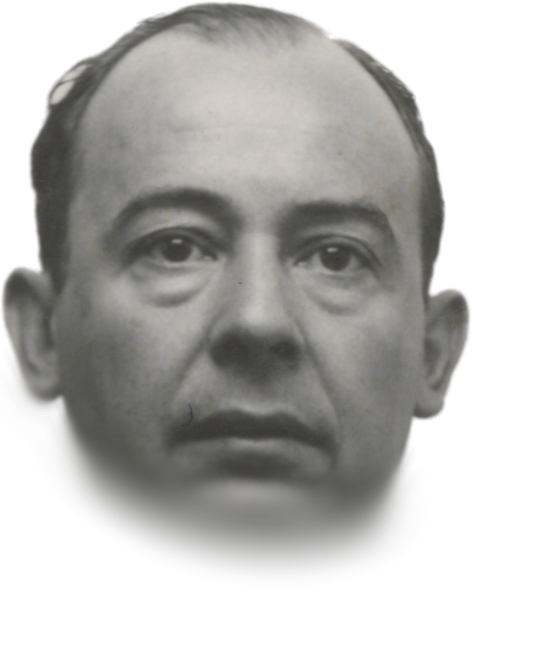
Von Neumann divided eight-digit numbers in his head at six and held two degrees by twenty-two. The 300 that circulates for him is fourteen points past the ceiling of the most generous historiometric study ever attempted.
John von Neumann’s estimated IQ
- Divided eight-digit numbers mentally and conversed in classical Greek by age six; learned calculus by eight; co-authored his first published mathematics paper at eighteen.
- Simultaneously earned a chemical-engineering diploma from ETH Zurich and a summa cum laude mathematics doctorate from the University of Budapest, both in 1926, at twenty-two.
- Founding professor of Princeton’s Institute for Advanced Study in 1933, alongside Albert Einstein.
- Foundational published contributions across pure mathematics, quantum mechanics, game theory (with Oskar Morgenstern, 1944) and computer architecture (the 1945 EDVAC report).
No IQ test of von Neumann exists — he died in 1957 having never taken a documented one. This range is inferred from an unusually dense record of verified achievement, not from a score.
- Born
- December 28, 1903, Budapest
- Died
- February 8, 1957 (age 53)
- Doctorate
- Ph.D. mathematics, University of Budapest, 1926, summa cum laude
- Field
- Mathematics, physics, computer science, economics
- Best known for
- Game theory, the von Neumann computer architecture, quantum mechanics’ mathematical foundations
What an IQ of 170–190 actually means
Set the claim aside for a moment. If someone genuinely scored in this range, here is what that would represent.
Average is 100 by construction, and about two-thirds of people fall between 85 and 115. Take the test to place your own score on this scale.
| Score range | Classification | Share of people | What it indicates |
|---|---|---|---|
| 85 – 114 | Average | ~68% | The range most people fall into. |
| 115 – 129 | Above average | ~13.6% | Roughly one person in seven. |
| 130 – 144 | Gifted | ~2% | The threshold most high-IQ societies use. |
| Above 144 | Highly gifted | ~0.1% | Figures above this range are extrapolated from the curve rather than measured. |
Percentages are approximate and describe a normal distribution. The same number means different things on tests with different standard deviations.
Thirty questions gives you a measured position on this exact scale — your score, your percentile and the ability breakdown behind it.
Find out in 30 minutes →Who John von Neumann was
Born in Budapest on December 28, 1903, von Neumann divided eight-digit numbers in his head and conversed with his father in classical Greek by age six, and had learned calculus by eight. His gymnasium teacher László Rátz arranged outside university-level tutoring; von Neumann co-authored his first published mathematics paper, with Michael Fekete, at eighteen.
At his father’s insistence on a “practical” field, he studied chemistry in Berlin and Zurich — while simultaneously working toward a doctorate in mathematics. In 1926, at twenty-two, he completed both: a chemical-engineering diploma from ETH Zurich and a summa cum laude mathematics doctorate from the University of Budapest.
In 1933 he became one of six founding professors of Princeton’s Institute for Advanced Study, alongside Albert Einstein. His 1932 book gave quantum mechanics its rigorous mathematical foundation; his 1944 Theory of Games and Economic Behavior, with Oskar Morgenstern, founded game theory as a discipline; his 1945 EDVAC report gave computing what is still called the “von Neumann architecture.” He also designed the implosion mechanism for the Manhattan Project’s plutonium bomb. Colleagues who worked beside him said plainly that his mind operated differently from theirs — mathematician Paul Halmos, his research assistant, wrote that “the speed with which von Neumann could think was awe-inspiring,” and physicist Eugene Wigner wrote of “a mind of von Neumann’s inexorable logic.” Von Neumann died of cancer on February 8, 1957, at fifty-three.
 By Elora Mercer, Celebrity Research WriterFigures checked by Leon Falkner, Data & Research Analyst
Reviewed by Aarav Vardhan, Editor-in-Chief · Last reviewed August 2026

John von Neumann: the documented record
The estimate above rests on this record. Every entry here is a matter of public fact, which is more than can be said for the number itself.
- 1921First published mathematics paper, with Michael Fekete, at eighteen.
- 1926Completes a mathematics doctorate (Budapest) and a chemical-engineering diploma (ETH Zurich) simultaneously, at twenty-two.
- 1932Mathematische Grundlagen der Quantenmechanik gives quantum mechanics its rigorous mathematical footing.
- 1933Becomes a founding professor of Princeton’s Institute for Advanced Study.
- 1944Theory of Games and Economic Behavior, with Oskar Morgenstern, founds game theory.
- 1945The EDVAC report — origin of the “von Neumann architecture.”
- 1957Dies in Washington, D.C., at fifty-three.
Where the 300 figure came from
Following a claim back to its first appearance is the part almost nobody does — and it is what most people are actually asking.
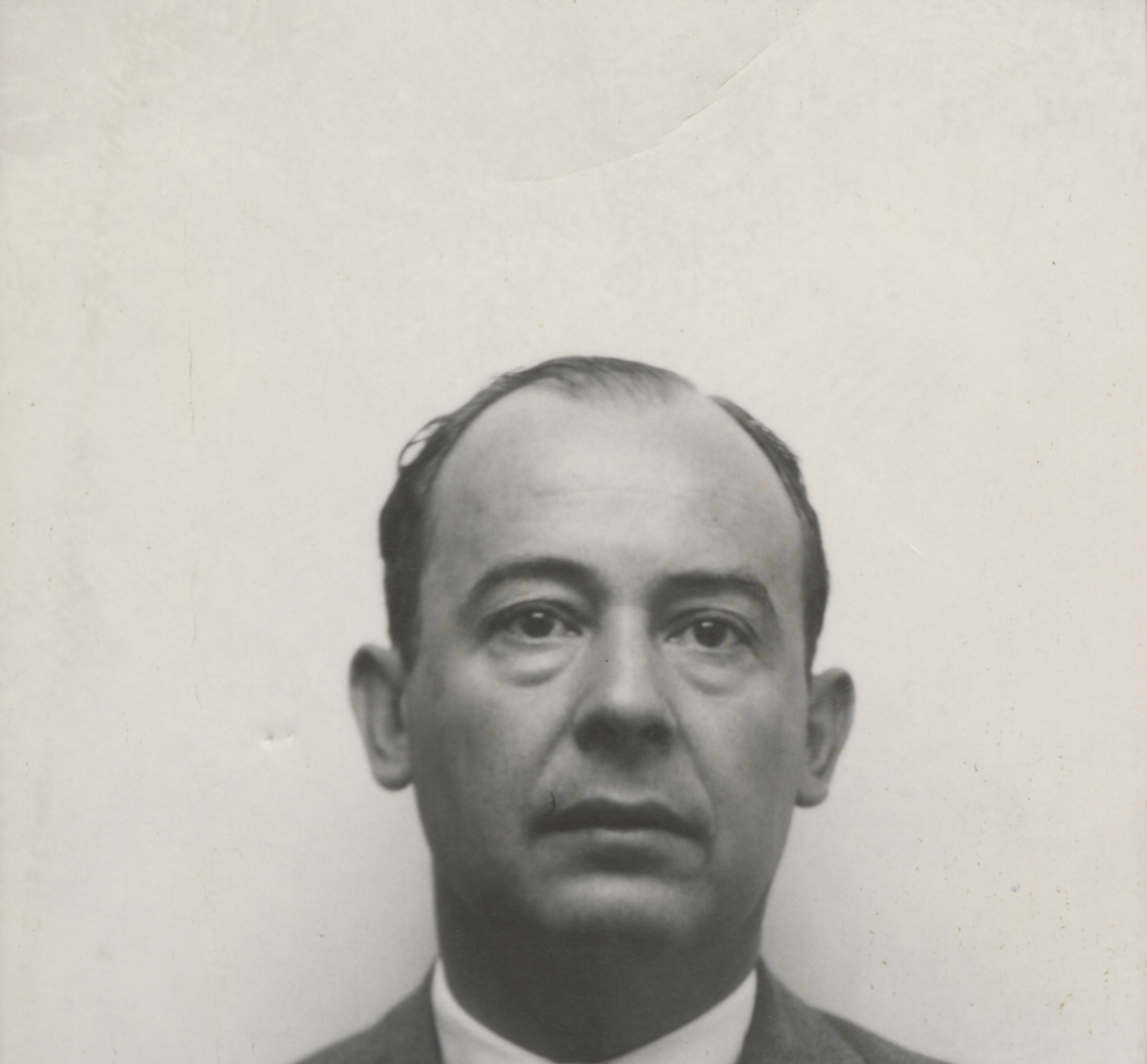
Von Neumann is one of the most inflated figures online. 300 attaches to his name on listicles and at least one video with no cited test, examiner or study behind it. The number very likely leaks from William Sidis, whose own “250 to 300” traces to a single unverified claim by his sister — the two men’s inflated figures circulate on the same aggregator pages and appear to have merged.
No serious historiometric exercise has ever produced a number close to 300. Catharine Cox’s 1926 Early Mental Traits of Three Hundred Geniuses — the largest, most careful attempt to retrospectively score historical eminence ever conducted — scored 301 subjects born 1450–1850 and topped out at 210, for Goethe. Von Neumann was born too late to be in Cox’s sample at all, but her ceiling is the honest upper bound for what this kind of estimate can responsibly claim for anyone.
What is real is a documented record that would support a high estimate without needing to invent one: mental calculation feats from early childhood, two degrees completed simultaneously at twenty-two, and a research output — quantum mechanics’ mathematical foundations, game theory, the architecture underlying nearly every computer built since — that his own Nobel-calibre contemporaries described as being in a class by itself.
How we read a number →Childhood, education and career detail.
Direct colleague testimony on his working speed.
Establishes the real ceiling — 210 — for historiometric IQ estimates of historical figures.
Timeline and career detail.
No cited test, examiner or study found behind any of them.
Von Neumann died in 1957 without ever taking a recorded intelligence test.
The sources behind our estimate
The figures that circulate for John von Neumann, what we were able to confirm, and where the two diverge.
300 circulates as his IQ, alongside secondary figures of 180, 190 and 200.
No documented IQ test of von Neumann exists. 300 appears next to his name on aggregator sites and listicles with no cited origin — it may be cross-contamination from William Sidis’s similarly unsourced “250 to 300,” which circulates on the same pages.
Catharine Cox’s 1926 historiometric study of history’s most eminent minds — the most generous exercise of its kind ever attempted, scoring 301 subjects — topped out at 210, for Goethe. 300 is not a figure any serious method has produced for anyone.
Want a number that does hold up? Every figure on this page is somebody’s claim. Take the 30-question test and get a percentile you can check rather than a figure you have to trust.
John von Neumann — frequently asked
What was John von Neumann’s IQ?
No test of him was ever recorded — he died in 1957 without taking one. This page estimates 170–190 from his documented record, not from a score.
Did John von Neumann really have an IQ of 300?
No figure that high is traceable to any test, study or named source. Even Catharine Cox’s 1926 historiometric study of history’s most eminent minds topped out at 210.
Where does the “IQ 300” claim about von Neumann come from?
It appears uncited on aggregator sites and may be cross-contamination from William Sidis, whose similarly unsourced “250 to 300” circulates on the same pages.
What is John von Neumann most famous for?
Founding game theory with Oskar Morgenstern, the “von Neumann architecture” underlying modern computers, and the mathematical foundations of quantum mechanics.
How old was von Neumann when he earned his doctorate?
Twenty-two — the same year he separately completed a chemical-engineering diploma at ETH Zurich.
What did his contemporaries say about his intelligence?
Colleagues including Paul Halmos and Eugene Wigner described his thinking speed and logical rigor as operating in a different register from their own, in print, by name.
How does my IQ compare with John von Neumann?
You can find out in about fifteen minutes. The IQ Metrics assessment is 30 questions, scored on the same 100-mean scale used throughout this page, so your result and the estimate above are at least expressed in the same units — one measured, one inferred. Once you have a number, the leaderboard shows where it would sit, and how we score and norm it explains the benchmarking.
Where does this estimate come from?
From the documented record rather than a test — the method is named above and set out in full under how we read a number. Compare it against the other scientists profiles, starting with Albert Einstein.
- Take the 30-question IQ test — get a measured score and percentile of your own
- Average IQ by country — how the scale behaves across populations
- How IQ Metrics scores its assessment — the method behind our own number
- More on how IQ testing works — reliability, error and what a score can and cannot say
- More scientists profiles — same field, same method
More scientists
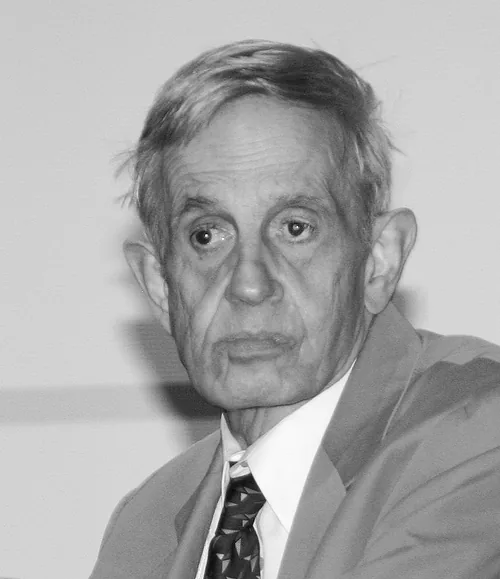
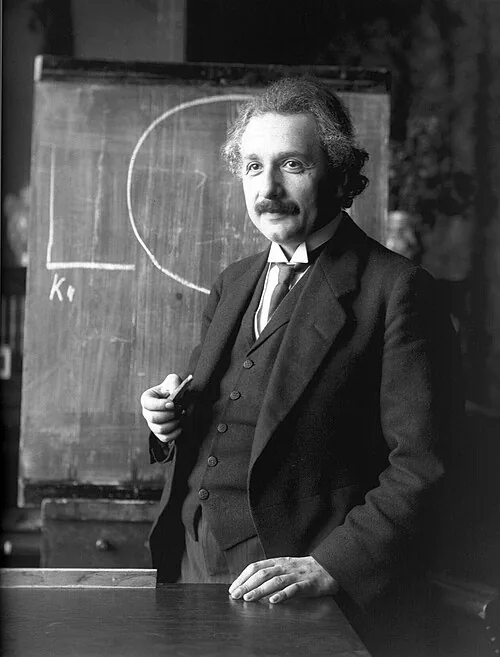
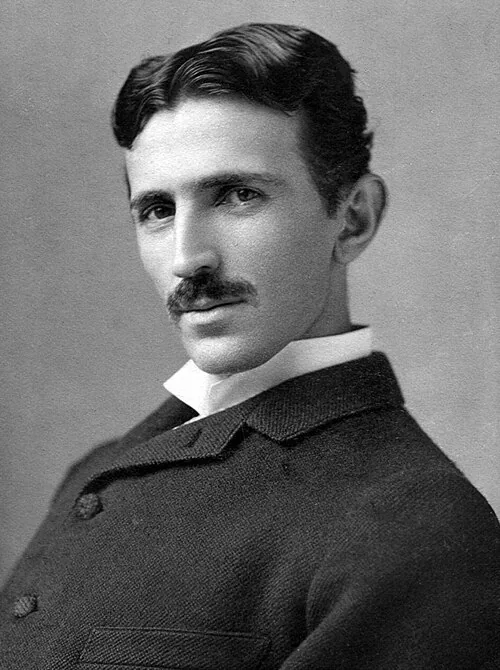
Photograph by Elke Wetzig (University of Cologne, November 2, 2006), CC BY-SA 3.0. Cropped and with background removed for the portrait above. · Portrait by Ferdinand Schmutzer (1921), public domain. Background removed for the portrait above. · Photograph by Napoleon Sarony (c. 1890), public domain. Background removed for the portrait above.


An estimate is an inference.
Yours can be measured.
Thirty questions, scored against general-population benchmarks. Your score, your percentile, your ability breakdown and a printable IIF certificate.
Find your IQ score now! →