



What was René Descartes’ IQ?
A 1926 Stanford study rated him 150 and 160, then corrected that to 180; no test ever existed.
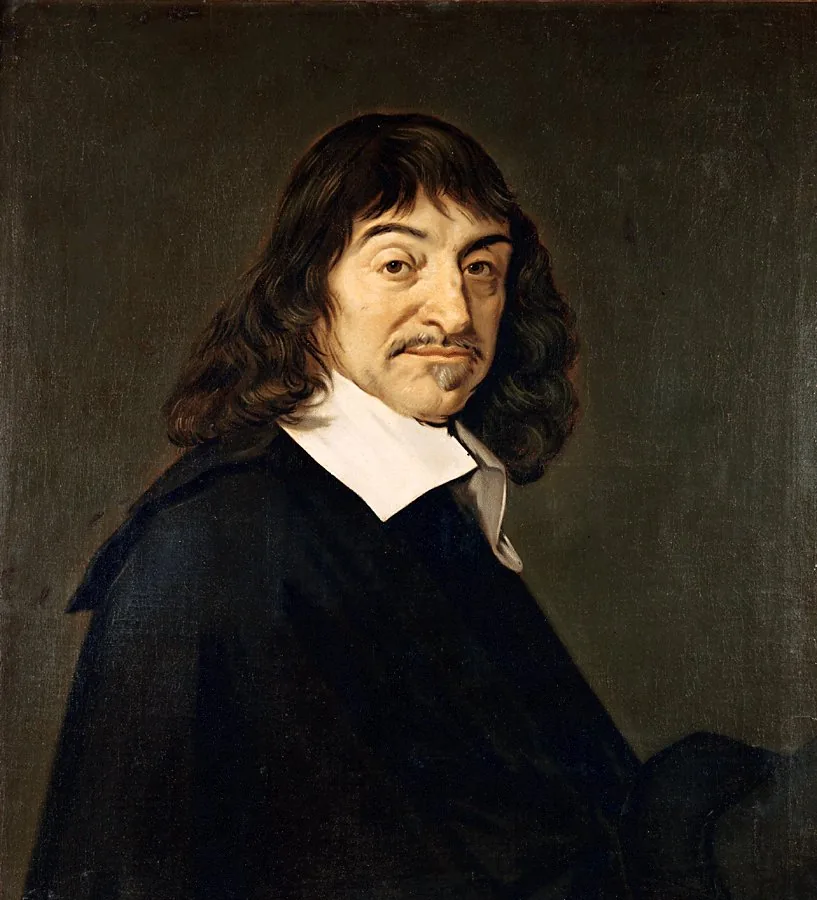
René Descartes’ IQ was never measured. The only figures with a scholarly source are Catharine Cox’s 1926 ratings: 150 for his years to age 17, 160 for ages 17 to 26, and a corrected 180. A Rene Descartes IQ estimate is therefore an inference, 150–170 here, from his Jesuit schooling, law degree and published work.
René Descartes’ estimated IQ
- Catharine Cox’s 1926 ratings: 150 for development to age 17 (reliability .53) and 160 for ages 17 to 26 (reliability .60), with corrected figures of 170 and 180, based on early intellectual interests and high scholastic standing.
- The Jesuit College of La Flèche from 1607 to 1614, where he was introduced to mathematics and physics, and a baccalauréat and licence in canon and civil law from the University of Poitiers in 1616 (Wikipedia).
- The Discourse on the Method (1637), published with the essays La Dioptrique, Les Météores and La Géométrie, and credit as the father of analytic geometry (Wikipedia).
- The invitation of Queen Christina of Sweden in 1649 to organize a scientific academy at her court (Wikipedia).
These are retrospective ratings from a biography, not test results. Cox’s corrected figures add points for thin records by a formula, so the top of this range stops short of her 180. Cox also notes that one biographer’s claim that he made his main mathematical discovery before 18 comes with no stated evidence.
- Born
- March 31, 1596, La Haye en Touraine, France
- Died
- February 11, 1650, Stockholm
- Known for
- Discourse on the Method (1637); analytic geometry; “cogito, ergo sum”
- School
- Jesuit College of La Flèche, 1607–1614
- University
- University of Poitiers: baccalauréat and licence in law, 1616
- Cox (1926)
- Rated 150 (to age 17, reliability .53) and 160 (ages 17 to 26, reliability .60); corrected 170 and 180
- Eminence rank
- 12th of Cox’s 25 most eminent (Cattell’s 1903 order); tied 8th among philosophers on corrected figures
- Circulating figure
- 180, the corrected Cox figure; no test result exists
What an IQ of 150–170 actually means
Set the claim aside for a moment. If someone genuinely scored in this range, here is what that would represent.
Average is 100 by construction, and about two-thirds of people fall between 85 and 115. Take the test to place your own score on this scale.
| Score range | Classification | Share of people | What it indicates |
|---|---|---|---|
| 85 – 114 | Average | ~68% | The range most people fall into. |
| 115 – 129 | Above average | ~13.6% | Roughly one person in seven. |
| 130 – 144 | Gifted | ~2% | The threshold most high-IQ societies use. |
| Above 144 | Highly gifted | ~0.1% | Figures above this range are extrapolated from the curve rather than measured. |
Percentages are approximate and describe a normal distribution. The same number means different things on tests with different standard deviations.
Thirty questions gives you a measured position on this exact scale — your score, your percentile and the ability breakdown behind it.
Find out in 30 minutes →Who René Descartes was
Who was René Descartes? René Descartes was born on March 31, 1596, in La Haye en Touraine, France, and died in Stockholm on February 11, 1650, according to Wikipedia. He was a French philosopher, mathematician and scientist, best known for “cogito, ergo sum” (“I think, therefore I am”). He is credited as the father of analytic geometry, and the Cartesian coordinate system is named after him.
How was René Descartes educated? In 1607, late because of his fragile health, he entered the Jesuit College of La Flèche, where he was introduced to mathematics and physics. After graduating in 1614 he studied at the University of Poitiers and earned a baccalauréat and licence in canon and civil law in 1616 (Wikipedia). Cox adds that his father called him the “little philosopher” before he was eight, and that he was excellent in class studies.
What did Descartes publish, and was he a genius? “Genius” is a label, not a score. In 1637 he published the Discourse on the Method with three essays, among them La Géométrie, the work behind his title as father of analytic geometry, and his Meditations on First Philosophy are still studied. In 1649 Queen Christina of Sweden invited him to her court, where he died the next winter. See other historical figures we have checked, or compare your own result on the same scale with the IQ Metrics test.
 By Elora Mercer, Celebrity Research WriterFigures checked by Leon Falkner, Data & Research Analyst
Reviewed by Aarav Vardhan, Editor-in-Chief · Last reviewed November 2026

René Descartes: the documented record
The estimate above rests on this record. Every entry here is a matter of public fact, which is more than can be said for the number itself.
- 1596Born March 31 in La Haye en Touraine.
- 1607Enters the Jesuit College of La Flèche.
- 1614Graduates from La Flèche.
- 1616Earns a baccalauréat and licence in canon and civil law at the University of Poitiers.
- 1618Joins the Dutch States Army at Breda under Maurice of Nassau and studies military engineering.
- 1637Publishes the Discourse on the Method with La Dioptrique, Les Météores and La Géométrie.
- 1649Accepts Queen Christina’s invitation to her court in Sweden.
- 1650Dies in Stockholm on February 11.
- 1926Catharine Cox rates him 150 and 160, corrected to 170 and 180, in her study of 301 geniuses.
Where the 180 figure came from
Following a claim back to its first appearance is the part almost nobody does — and it is what most people are actually asking.
Rene Descartes IQ searches (the name is often typed without the accents) lead to Catharine Cox’s 1926 book, Early Mental Traits of Three Hundred Geniuses. Her raters estimated 150 for his development to age 17 and 160 for ages 17 to 26, on records she rated .53 and .60 for reliability, and she printed corrected figures of 170 and 180. Our philosophers ranked by IQ table and our research on the IQ of historical geniuses list the same four numbers.
Was Descartes’ IQ ever measured? No. He died in Stockholm on February 11, 1650, centuries before the first IQ test. The corrected 180 is a statistical push toward the average of his field, philosophers (about 145 in Cox’s example), applied in proportion to how thin the records are, so this page does not use it as its top figure. Cox’s two raters’ estimates, 150 and 160, are the better anchor.
What is Descartes’ estimated IQ, and how does he compare with Pascal, Newton and Kant? 150–170 here. That sits below Blaise Pascal (180–195) and Isaac Newton (170–190), level with Aristotle and Immanuel Kant (150–170 each), and above Niccolò Machiavelli (140–160), whose range has no Cox rating behind it. On the usual scale (mean 100, SD 15) a 150 is about the 99.96th percentile.
Does mathematical genius equal high IQ? Not by itself. Analytic geometry turns shapes into equations, so it draws on symbolic and spatial reasoning, which you can sample in logic puzzles and spatial reasoning tasks. Descartes’ historical rating rests on a record of schooling and publication, and no test of either kind exists for him.
How we read a number →Read at source: AI IQ 150 (reliability .53) and AII IQ 160 (reliability .60); the basis for the rating (early and profound intellectual interests, high scholastic standing); the “little philosopher” remark; the note that Descartes’ rating is corrected by regression to the mean for philosophers. The ratings are Cox’s inferences, not test results.
Birth and death dates, La Flèche 1607–1614, the Poitiers licence in 1616, army service at Breda in 1618, the 1637 Discourse on the Method, the invitation from Queen Christina in 1649 and death on February 11, 1650. The article gives no IQ.
List Descartes at 150 and 160 from Cox’s raters, 170 and 180 corrected, reliability .60; the philosophers table ties him 8th on corrected figures, the research page lists him 12th of the 25 most eminent in Cattell’s 1903 order and gives Cox’s correction formula.
Confirms the identifier Q9191 is the French philosopher, mathematician and scientist.
Painted portrait after Frans Hals, Louvre, inventory 1317; public domain (PD-Art, old-100-expired). It is a painting made after the artist’s original, not a photograph.
Ranges used for comparison: Pascal 180–195, Newton 170–190, Aristotle 150–170, Kant 150–170, Machiavelli 140–160.
No test result is known. Wikipedia gives none, and Cox’s ratings are retrospective estimates from biography, as she states.
The sources behind our estimate
The figures that circulate for René Descartes, what we were able to confirm, and where the two diverge.
Figures for Descartes’ IQ that cite a source trace to Catharine Cox’s 1926 study: 150 and 160 from her raters, and 170 and 180 after her correction. Our own philosophers table and research page list the same four numbers.
Cox rates Descartes at 150 for development to age 17 (reliability .53) and 160 for ages 17 to 26 (reliability .60). She says her ratings rest on early and profound intellectual interests and high scholastic standing. The corrected figures of 170 and 180 are a statistical push toward the average of philosophers.
The range runs from Cox’s lowest rater estimate (150) to the corrected figure for his first period (170). The 180 is the corrected figure for ages 17 to 26, the one most often quoted, and it is higher than this page uses because the correction is largest where records are thin.
Want a number that does hold up? Every figure on this page is somebody’s claim. Take the 30-question test and get a percentile you can check rather than a figure you have to trust.
René Descartes — frequently asked
What was René Descartes’ IQ?
René Descartes’ IQ was never measured. Catharine Cox’s 1926 study rated him 150 for his years to age 17 and 160 for ages 17 to 26, and corrected those to 170 and 180. This site’s estimated range is 150–170 on a scale with mean 100 and SD 15.
What was Descartes’ IQ score?
No Descartes IQ score exists, because he died in 1650. The numbers in circulation come from Cox’s 1926 retrospective ratings: 150 and 160 from her raters, 170 and 180 after her correction. They are inferences from his biography and are not scores.
What is Descartes’ estimated IQ?
A Descartes estimated IQ is an inference. This site rates it at 150–170, between Cox’s raters’ estimates and her corrected figure, from his Jesuit schooling, law degree and published work. The corrected 180 adds points for thin records, so the range stops short of it.
Where does Descartes’ IQ estimate come from?
From Catharine Cox’s 1926 book, Early Mental Traits of Three Hundred Geniuses. Her raters scored his early interests and school standing from biographical records. They gave 150 and 160, and her correction toward the average of philosophers raised them to 170 and 180.
What is documented about Descartes’ education?
In 1607 he entered the Jesuit College of La Flèche, graduated in 1614, then earned a baccalauréat and licence in canon and civil law at the University of Poitiers in 1616 (Wikipedia). Cox adds that he excelled in class studies and was released from some regular attendance.
Does mathematical genius equal high IQ?
Not by itself. Mathematical talent and IQ are related but different, and Descartes was never tested. Cox rated him from early intellectual interests and school standing, while his analytic geometry (La Géométrie, 1637) is the work that made his name.
Is René Descartes a genius?
“Genius” is a label, not a score, and no test result supports or refutes it. The documented record is a Jesuit education, a law degree, the Discourse on the Method in 1637 and the invitation of Queen Christina of Sweden in 1649.
How does Descartes’ estimated IQ compare with Pascal’s and Newton’s?
This site rates Descartes at 150–170, Blaise Pascal at 180–195 and Isaac Newton at 170–190. All three rest on Cox-style retrospective ratings, not tests, so the gaps show differences in the records, not a ranking of measured people.
How does my IQ compare with René Descartes?
You can find out in about fifteen minutes. The IQ Metrics assessment is 30 questions, scored on the same 100-mean scale used throughout this page, so your result and the estimate above are at least expressed in the same units — one measured, one inferred. Once you have a number, the leaderboard shows where it would sit, and how we score and norm it explains the benchmarking.
Where does this estimate come from?
From the documented record rather than a test — the method is named above and set out in full under how we read a number. Compare it against the other historical profiles, starting with Isaac Newton.
- Take the 30-question IQ test — get a measured score and percentile of your own
- Average IQ by country — how the scale behaves across populations
- How IQ Metrics scores its assessment — the method behind our own number
- More on how IQ testing works — reliability, error and what a score can and cannot say
- More historical profiles — same field, same method
More historical
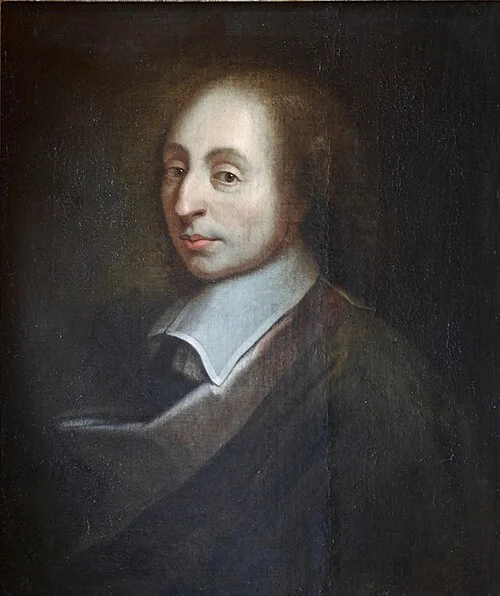
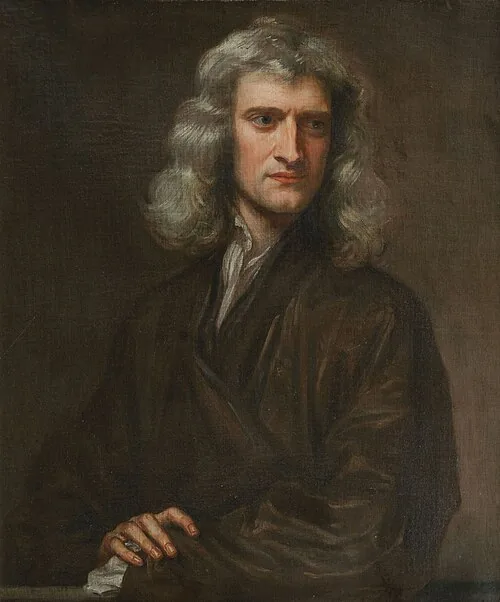
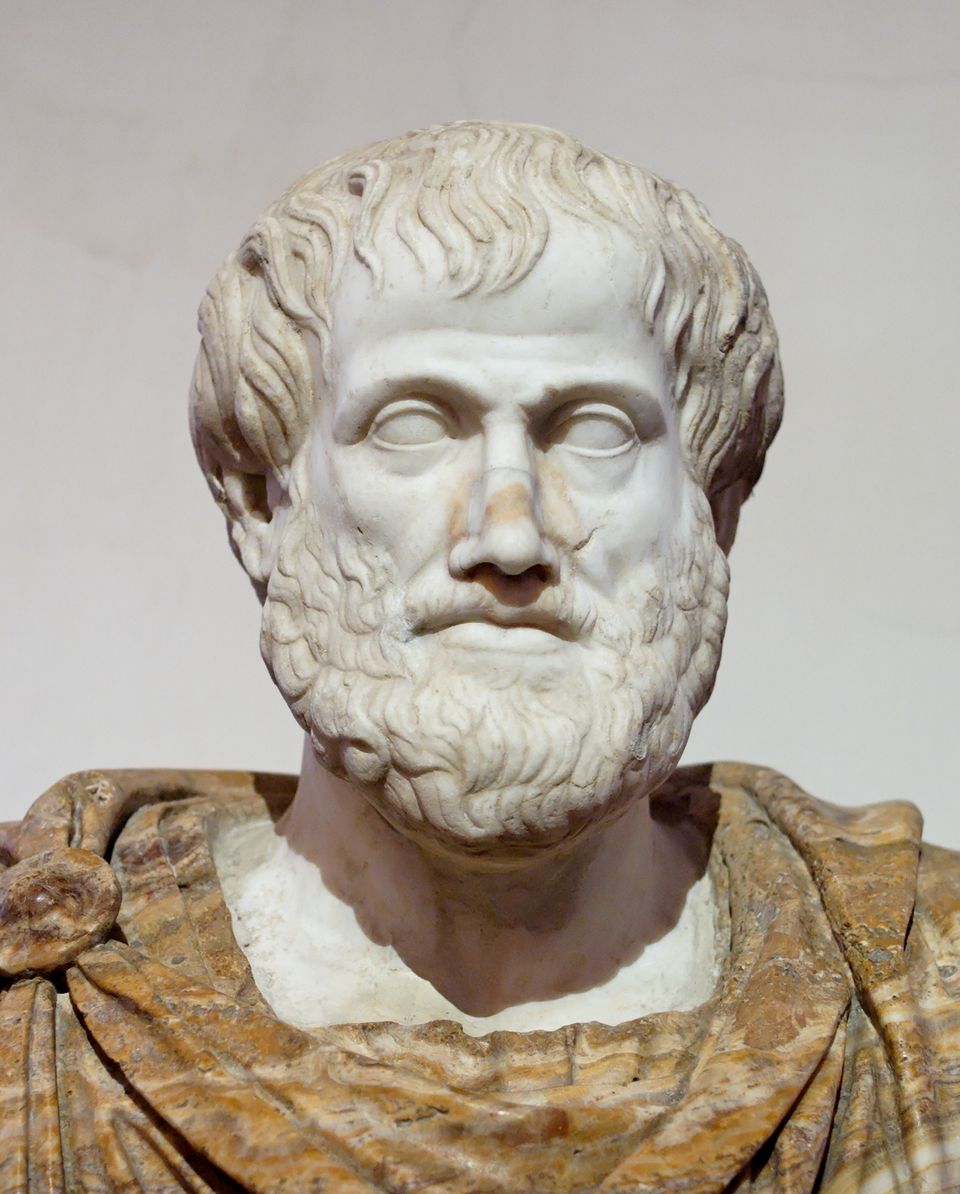
Portrait, copy after François II Quesnel, via Wikimedia Commons, public domain. · Portrait by Godfrey Kneller (1689), public domain. · Photograph by Jastrow (2006), public domain. Roman marble copy after a Greek bronze by Lysippos (c. 330 BCE); the alabaster mantle is a modern addition. Background removed for the portrait above.


An estimate is an inference.
Yours can be measured.
Thirty questions, scored against general-population benchmarks. Your score, your percentile, your ability breakdown and a printable IIF certificate.
Find your IQ score now! →