



What was Mahatma Gandhi’s IQ?
He ranked 404th on a list of 799 passes in 1887; Einstein later called him “the greatest political genius of our time.” Neither is an IQ score.
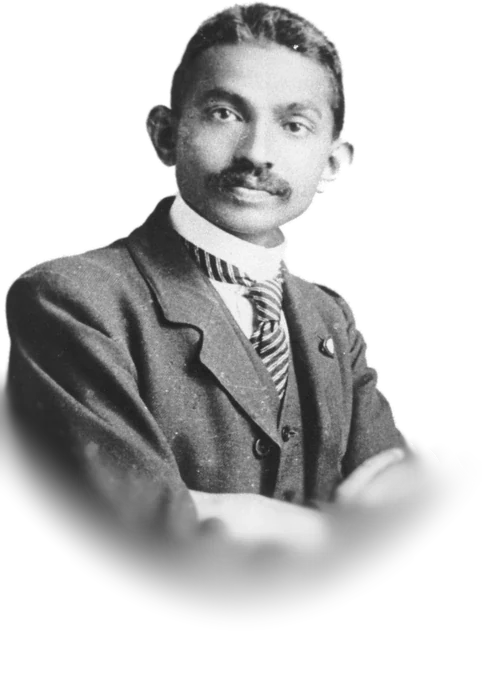
No published IQ test result exists for Mahatma Gandhi, and the 160 that circulates for his IQ level cites no test, study or date. The record that does survive — about 40 percent on the 1887 Bombay matriculation, one term at college, then a working life of law, writing and organizing — supports an estimated IQ of 125–145: an inference, not a score.
Mahatma Gandhi’s estimated IQ
- Bombay University matriculation, November 1887: 247½ of 625 marks (about 40 percent), ranking 404th among the 799 successful candidates out of 3,067 enrolled, and fifth among the ten from his school who passed.
- A modest record afterward: one term at Samaldas College, Bhavnagar (January–April 1888), where by his own account he was “entirely at sea”, and a first attempt at the London Matriculation that failed in Latin before he passed in June 1890.
- Called to the bar by the Inner Temple on June 10, 1891, after two examinations that he himself said had “practically no value”; he read Roman law in Latin and still wrote that he “did not feel myself qualified” to practice law.
- The adult record: enrolled as an advocate in Natal in 1894, instrumental in forming the Natal Indian Congress the same year, started the journal Indian Opinion in 1903, investigated the Champaran tenants’ grievances in 1917 and led the Salt March of 1930, about 240 miles in 24 days.
- The Collected Works of Mahatma Gandhi (English series): 100 volumes published by the Government of India between 1956 and 1994, gathering his writing and speech from 1884 to his death.
This is an inference from public documents, not a score. Exam marks from the 1880s measure schooling and exam technique as well as reasoning, so they pull the range down; the top end leans on outcomes that IQ predicts only loosely (organizing, negotiating, writing) and that depended on many other people. Read 125–145 as a judgment about a whole life, weighted toward the adult record.
- Born
- October 2, 1869, Porbandar, capital of a princely state on the Kathiawar peninsula
- Died
- January 30, 1948, Delhi, aged 78
- School
- Kattyawar High School, Rajkot (renamed Alfred High School in 1907), standards I–VII
- Matriculation
- Bombay University, November 1887: 247½ of 625 marks (about 40 percent); 404th among 799 successful candidates
- College
- Samaldas College, Bhavnagar: one term, January–April 1888
- Law
- Inner Temple, London: admitted November 6, 1888; called to the bar June 10, 1891
- In Cox’s 1926 study?
- No — born 1869, after her window of subjects who lived between 1450 and 1850
What an IQ of 125–145 actually means
Set the claim aside for a moment. If someone genuinely scored in this range, here is what that would represent.
Average is 100 by construction, and about two-thirds of people fall between 85 and 115. Take the test to place your own score on this scale.
| Score range | Classification | Share of people | What it indicates |
|---|---|---|---|
| 85 – 114 | Average | ~68% | The range most people fall into. |
| 115 – 129 | Above average | ~13.6% | Roughly one person in seven. |
| 130 – 144 | Gifted | ~2% | The threshold most high-IQ societies use. |
| Above 144 | Highly gifted | ~0.1% | Figures above this range are extrapolated from the curve rather than measured. |
Percentages are approximate and describe a normal distribution. The same number means different things on tests with different standard deviations.
Thirty questions gives you a measured position on this exact scale — your score, your percentile and the ability breakdown behind it.
Find out in 30 minutes →Who Mahatma Gandhi was
Mohandas Karamchand Gandhi was born at Porbandar, on the Kathiawar peninsula, on October 2, 1869. His father, Karamchand Gandhi, was appointed chief karbhari, a senior official, at Rajkot in November 1874, and Mohandas studied there from standard I to standard VII at the Kattyawar High School, renamed the Alfred High School in 1907. His school record was published by the Government of India’s Publications Division in 1965, compiled by J. M. Upadhyaya from school and college records: attendance was uneven (74 days out of 222 in 1882, after which he repeated standard II), his best annual result was 68.0 percent in 1883, and in standards V and VI he ranked between third and sixth in his class. In his autobiography he described himself as “a mediocre student” who was “not regarded as a dunce” and had “not any high regard for my ability.” He sat the Bombay University matriculation at Ahmedabad, the papers beginning on November 21, 1887, and passed with 247½ marks out of 625, ranking 404th among 799 successful candidates out of 3,067 enrolled.
Gandhi joined Samaldas College in Bhavnagar in January 1888 and left at the end of the first term, in April; he later wrote that he was “entirely at sea” and could not follow the lectures, and the college’s weekly result sheets show 16 percent in English on one test and nothing above 28 percent on any. He sailed from Bombay for England on September 4, 1888, and the Inner Temple admitted him as a student on November 6. By his own account (chapter 16) and Upadhyaya’s, because the bar examinations demanded so little he also took the London Matriculation, a harder test: he failed Latin at the first attempt and passed in June 1890 (the University of London reported in 1954 that its marks sheets before 1904 were destroyed). The bar required twelve terms and two examinations, in Roman law and common law, whose pass rates he put at 95 to 99 percent and 75 percent or more; he read Roman law in Latin and spent nine months on the common-law texts. He was called to the bar on June 10, 1891, enrolled in the High Court on June 11 and sailed for home on June 12, still, in his words, not feeling “qualified” to practice.
In 1893 Gandhi went to Durban as legal counsel to the merchant Dada Abdulla. He enrolled as an advocate of the Supreme Court of Natal in 1894, was instrumental in forming the Natal Indian Congress on August 22 of that year, later enrolled as an advocate in Johannesburg, and started the journal Indian Opinion in 1903. He sailed for England in July 1914 and landed at Bombay on January 9, 1915. In April 1917 he investigated the grievances of indigo tenants at Champaran, in north Bihar, at the invitation of a local peasant, Raj Kumar Shukla. On March 12, 1930 he began the Salt March, about 240 miles from Sabarmati Ashram, near Ahmedabad, to Dandi with 78 volunteers, and it ended on April 6. In August 1942 the Congress met in Bombay and passed the Quit India resolution; Gandhi was detained on August 9 at the Aga Khan Palace in Poona and released on May 6, 1944.
Gandhi wrote his autobiography in Gujarati, serialized in the weekly Navajivan from November 25, 1925 to February 3, 1929; Mahadev Desai’s English translation appeared in two volumes, in 1927 and 1929. The Government of India’s Publications Division issued The Collected Works of Mahatma Gandhi, English series, in 100 volumes between 1956 and 1994; the Gandhi Heritage Portal describes it as his words as spoken and written from 1884 until his assassination. Albert Einstein’s tribute, first published in 1944 in a volume for Gandhi’s 75th birthday, called him “a man of wisdom and humility.” Gandhi was shot at a prayer meeting in Delhi on January 30, 1948, at the age of 78.
 By Elora Mercer, Celebrity Research WriterFigures checked by Leon Falkner, Data & Research Analyst
Reviewed by Aarav Vardhan, Editor-in-Chief · Last reviewed August 2026

Mahatma Gandhi: the documented record
The estimate above rests on this record. Every entry here is a matter of public fact, which is more than can be said for the number itself.
- 1869Born October 2 at Porbandar, on the Kathiawar peninsula.
- 1887Sits the Bombay University matriculation at Ahmedabad, papers from November 21: 247½ of 625 marks, 404th among 799 successful candidates.
- 1888One term at Samaldas College, Bhavnagar (January–April); sails from Bombay for England on September 4; admitted to the Inner Temple on November 6.
- 1890–91Passes the London Matriculation in June 1890 after failing Latin once; called to the bar on June 10, 1891, and sails for home on June 12.
- 1893–94Goes to Durban as legal counsel to the merchant Dada Abdulla (1893); enrolls as an advocate in Natal and is instrumental in forming the Natal Indian Congress on August 22, 1894.
- 1914–15Sails for England in July 1914 and lands at Bombay on January 9, 1915.
- 1917Investigates the grievances of indigo tenants at Champaran, in north Bihar.
- 1930Leads the Salt March, March 12 to April 6, about 240 miles from Sabarmati Ashram to Dandi with 78 volunteers.
- 1942After the Quit India resolution in Bombay in August, is detained on August 9 at the Aga Khan Palace, Poona; released on May 6, 1944.
- 1948Shot at a prayer meeting in Delhi on January 30, aged 78.
Where the 125–160 figure came from
Following a claim back to its first appearance is the part almost nobody does — and it is what most people are actually asking.
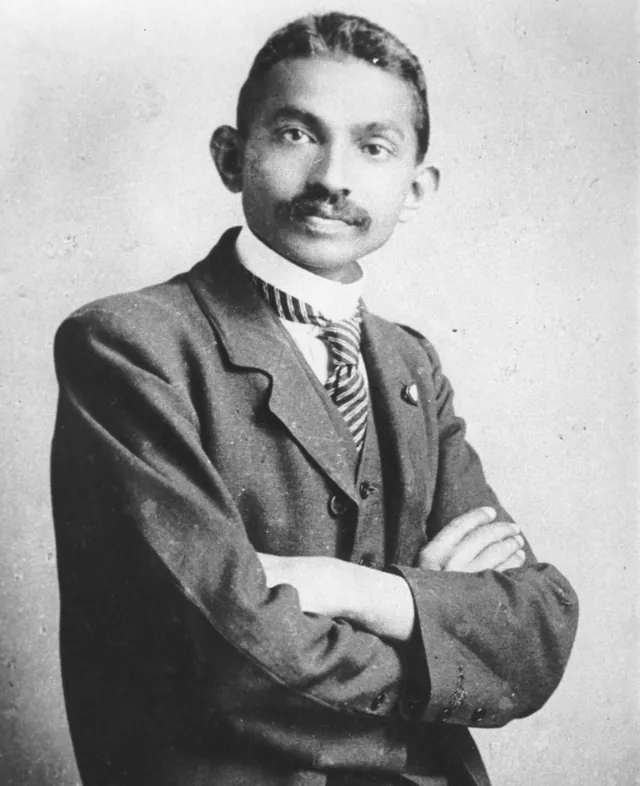
Mahatma Gandhi’s IQ level turns up online in two forms, and neither comes from a test. geniuses.club lists an IQ of 160 and says only that figures of this kind are published estimates, not a measured, verified test score; the page gives no method, confidence level or source. lifescoretest.com prints 125+, with a working range of 110–135, rates its own evidence “very low confidence” and states that no verified standardized IQ result is cited. Those two Gandhi IQ score estimates are 35 points apart, and neither page says where its number began. It is the pattern this site traces across celebrity IQ numbers: a round figure, with a disclaimer where the citation should be.
Gandhi lived into the era of intelligence testing: he died in 1948, more than four decades after Binet and Simon published their first scale in 1905 (the history of intelligence testing). The missing score is therefore not a matter of dates, and no record of him sitting any such test turned up in the sources checked for this page. The nearest thing to an official answer to “what was Mahatma Gandhi’s IQ?” is a January 2011 news report: an Ahmedabad resident used the Right to Information Act to ask for the birth details, blood groups and IQ of Gandhi, former Presidents and ministers; the President’s Secretariat replied that the information was unavailable, and the Central Information Commission dismissed the appeal.
Gandhi’s IQ is also not a Cox estimate. lifescoretest.com lists Catharine Cox’s 1926 The Early Mental Traits of Three Hundred Geniuses among its references, but her method never reached him. Cox describes her 301 subjects as great men and women who lived between 1450 and 1850; her Table 1 of 282 eminent men ends with births in 1800–1849, and Gandhi was born in 1869. His name appears nowhere in the full text of two archive.org scans of the book, and her Index of Geniuses runs from Galileo to Gambetta to Garibaldi with no Gandhi. So no Cox figure exists for him, sourced or not — the same finding this site reports for Friedrich Nietzsche, who is also missing from her list.
What the record supports is well below the 160. On the usual scale (mean 100, standard deviation 15) a 160 sits four standard deviations above average, and no mark in his school or college record points there: the matriculation was an achievement test, not an IQ test, and 404th of 799 successful candidates is a mid-table result, though passing at all put him among roughly one candidate in four. The adult record is what lifts the range to 125–145, about the top 5 percent to the top 0.1 percent of a bell curve, and that is a judgment. It puts him level with George Washington (125–145), below Abraham Lincoln and Winston Churchill (140–160 each) and Albert Einstein (160–180), and near the bottom of the historical-figures list beside Charles Darwin (125–140) and Napoleon (130–140). Einstein’s tributes praised character and statecraft — “a man of wisdom and humility” in 1944, “the greatest political genius of our time” in 1952 — not test-type ability; for how leadership relates to IQ, see leader IQ and the sweet spot near 120. As on most pages here, the documents point lower than the higher number that circulates.
How we read a number →A documented account of his school and college career, compiled from the records. Source of the 1887 matriculation figures (3,067 enrolled, 799 successful, rank 404th, marks by subject), his best annual school result (68.0 percent, 1883), the Samaldas College result sheets, the London Matriculation (Latin failed first, passed June 1890) and the Inner Temple dates.
His own account: “a mediocre student”, “not regarded as a dunce”, “not any high regard for my ability”; the 1887 matriculation; Samaldas College (“entirely at sea”); the London Matriculation (Latin failed at the first attempt, then passed); the bar examinations (“practically no value”, pass rates of 95–99 and 75 percent) and his sense of being unqualified to practice. The two texts differ slightly in wording, so only phrases both share are quoted.
Summarizes Upadhyaya’s book and prints the 1887 marksheet: English 89/200, Gujarati 45½/100, mathematics 59/175, general knowledge 54/150; 3,067 candidates, 799 successful, rank 404th, matching the book.
Describes its 301 subjects as great men and women who lived between 1450 and 1850; Table 1 (282 men in Group A) ends with births in 1800–1849. Neither scan contains Gandhi, Ghandi, Gandi, Mohandas or Mahatma, and the Index of Geniuses runs Galileo, Gambetta, Garibaldi with no Gandhi.
Admitted as a student on November 6, 1888; called to the bar on June 10, 1891; enrolled in the High Court on June 11, 1891.
The English series runs to one hundred volumes, published by the Government of India’s Publications Division between 1956 and 1994, and records his words as spoken and written from 1884 until his assassination on January 30, 1948.
Transcripts with citations. The tribute in Gandhiji: His Life and Work (Bombay, 1944, p. xi; first published July 1944) calls him “a man of wisdom and humility”; Einstein’s message of September 20, 1952 (Einstein on Peace, 1960) calls him “the greatest political genius of our time.”
An Ahmedabad resident asked under the Right to Information Act for the birth details, blood groups and IQ of Gandhi, former Presidents and ministers; the President’s Secretariat said the information was unavailable, and Central Information Commissioner Satyananda Mishra dismissed the appeal. No IQ figure is given.
geniuses.club: an estimated 160, described only as a published estimate, not a measured, verified test score; no method, confidence level or source. lifescoretest.com: 125+ with a working range of 110–135, “very low confidence”, no verified standardized result cited; Cox (1926) and Simonton (2009) appear among its general references, not as the source of his number.
Orientation and cross-checks: Durban in 1893, enrollment as an advocate in Natal, the Natal Indian Congress on August 22, 1894, Indian Opinion in 1903, the July 1914 departure and January 9, 1915 landing; Champaran in 1917; the Salt March dates and 78 marchers; the August 9, 1942 detention and May 6, 1944 release; the 1905 Binet–Simon scale. Wikidata Q1001 is “Mahatma Gandhi”, born 1869-10-02, died 1948-01-30.
None found. He died in 1948, after the first intelligence scale of 1905, so dates alone do not explain it. Checked: Upadhyaya’s compilation of his school and college results, his autobiography, Cox’s book, two IQ-estimate sites and the 2011 news report on a Right to Information request.
The sources behind our estimate
The figures that circulate for Mahatma Gandhi, what we were able to confirm, and where the two diverge.
Two pages give a number: geniuses.club lists an estimated IQ of 160 for Mahatma Gandhi, and lifescoretest.com lists 125+ with a working range of 110–135. Neither names a test.
No published IQ test result exists for Mahatma Gandhi. geniuses.club says only that figures of this kind are published estimates, not a measured, verified test score, and gives no method or source for him. lifescoretest.com calls its 125+ “a broad historiometric estimate,” rates the evidence “very low confidence” and lists Cox (1926) among its references, but Cox never scored him. A January 2011 news report on a Right to Information request for his IQ records the President’s Secretariat saying that the information was unavailable.
The two circulating figures sit 35 points apart, and each page describes its number as an estimate, not a test score. This site’s 125–145 starts at the lower figure and stops 15 points short of the 160, which has no method, source or document behind it.
Want a number that does hold up? Every figure on this page is somebody’s claim. Take the 30-question test and get a percentile you can check rather than a figure you have to trust.
Mahatma Gandhi — frequently asked
What is Mahatma Gandhi’s IQ?
No measured IQ exists for Mahatma Gandhi, because no test result for him has been published. IQ Metrics’ estimated range, inferred from his documented record, is 125–145; the 160 that circulates online cites no test, study or date.
Did Mahatma Gandhi ever take an IQ test?
No published IQ test result exists for him, and no record of him sitting one turned up, although he lived until 1948, decades after the first intelligence scale of 1905. A January 2011 news report says the President’s Secretariat answered a Right to Information request for his IQ by saying the information was unavailable.
Where does Mahatma Gandhi’s IQ of 160 come from?
No source is given. geniuses.club lists an estimated 160 and says only that such figures are published estimates, not a measured, verified test score. lifescoretest.com prints 125+, with a working range of 110–135 and “very low confidence” in its evidence. Neither page cites a test or a document for Gandhi’s number.
Is Mahatma Gandhi in Catharine Cox’s study of 301 geniuses?
No. Cox’s 1926 study covers 301 eminent people who lived between 1450 and 1850, and Gandhi was born in 1869. His name is absent from the full text of two archive.org scans of the book and from her Index of Geniuses, so no Cox estimate exists for him, whatever a website may imply.
How did Mahatma Gandhi do at school?
Modestly, by the records. He passed Bombay University’s 1887 matriculation with 247½ of 625 marks, about 40 percent, ranking 404th among 799 successful candidates, then left Samaldas College after one term. He called himself “a mediocre student” who was “not regarded as a dunce.”
Was Mahatma Gandhi a genius?
Einstein called him “the greatest political genius of our time” in 1952, but that praises statesmanship, not measured intelligence. IQ Metrics estimates his IQ at 125–145 from a record that is unremarkable on exams and extensive on outcomes, so the answer depends on whether genius means test-type ability or what a person achieves.
How does Mahatma Gandhi’s estimated IQ compare with Einstein’s, Lincoln’s and Churchill’s?
It is lower than all three. IQ Metrics puts Gandhi at 125–145, against 160–180 for Albert Einstein and 140–160 each for Abraham Lincoln and Winston Churchill; George Washington’s range is the same as his. All of these are inferences from records, not test results.
How does my IQ compare with Mahatma Gandhi?
You can find out in about fifteen minutes. The IQ Metrics assessment is 30 questions, scored on the same 100-mean scale used throughout this page, so your result and the estimate above are at least expressed in the same units — one measured, one inferred. Once you have a number, the leaderboard shows where it would sit, and how we score and norm it explains the benchmarking.
Where does this estimate come from?
From the documented record rather than a test — the method is named above and set out in full under how we read a number. Compare it against the other historical profiles, starting with Isaac Newton.
- Take the 30-question IQ test — get a measured score and percentile of your own
- Average IQ by country — how the scale behaves across populations
- How IQ Metrics scores its assessment — the method behind our own number
- More on how IQ testing works — reliability, error and what a score can and cannot say
- More historical profiles — same field, same method
More historical
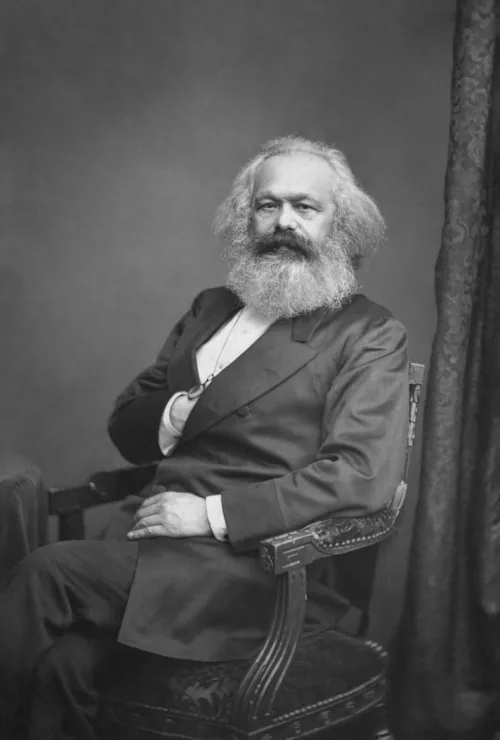
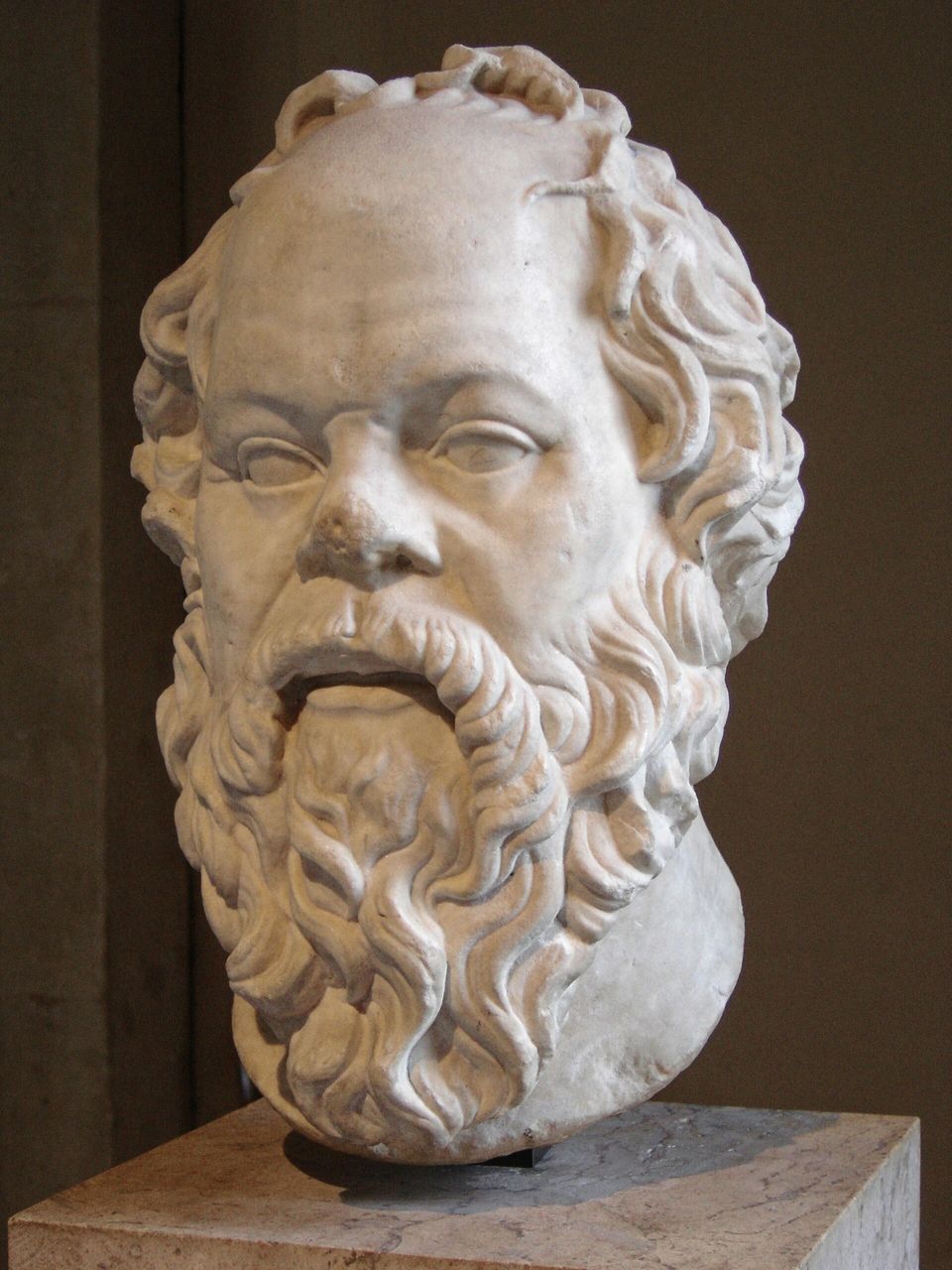
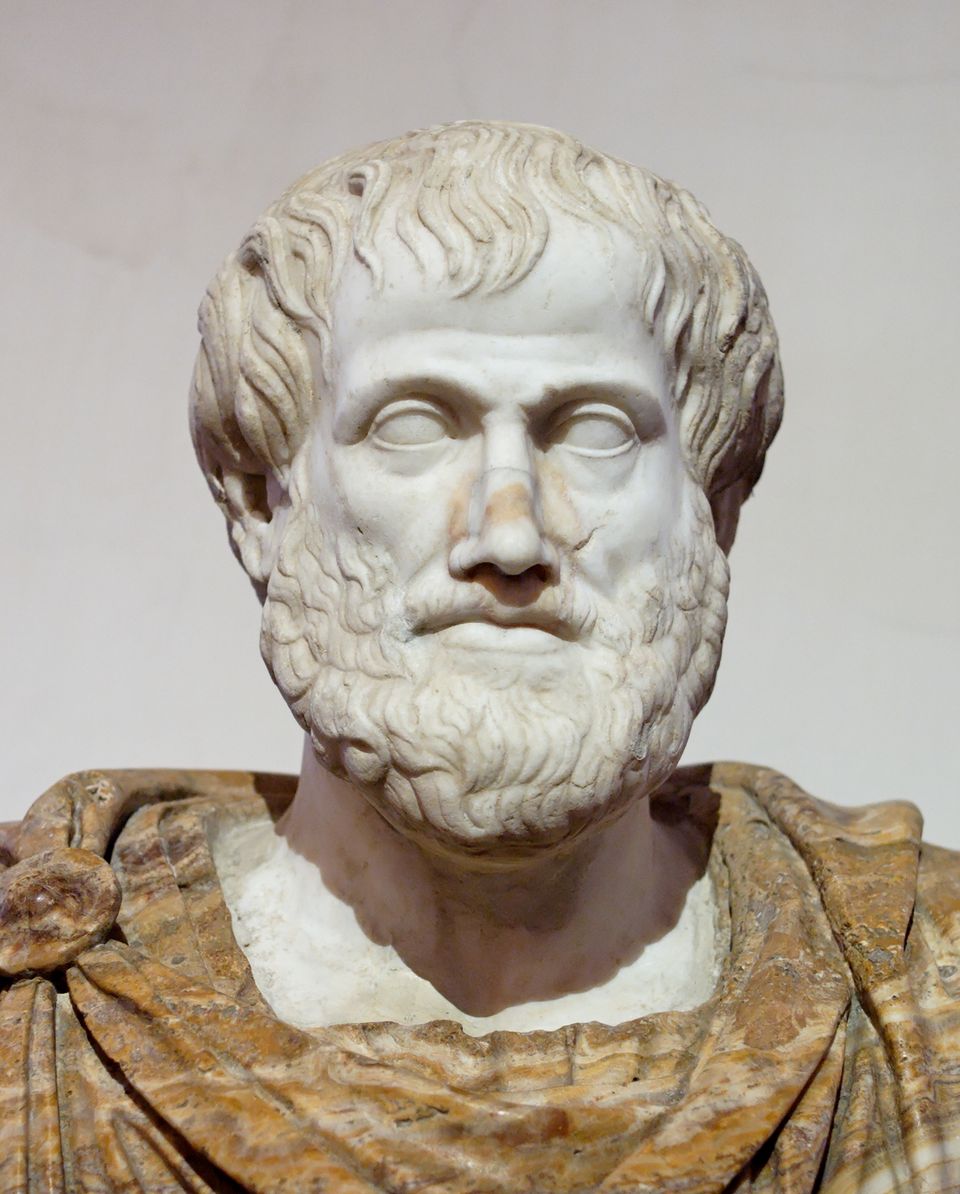
Photograph by John Jabez Edwin Mayall (1875), public domain. Background removed for the portrait above. · Photograph by Eric Gaba (Wikimedia Commons user: Sting) (July 2005), CC BY-SA 2.5. Roman marble portrait of Socrates, 1st century AD, Louvre Museum. Background removed for the portrait above. · Photograph by Jastrow (2006), public domain. Roman marble copy after a Greek bronze by Lysippos (c. 330 BCE); the alabaster mantle is a modern addition. Background removed for the portrait above.


An estimate is an inference.
Yours can be measured.
Thirty questions, scored against general-population benchmarks. Your score, your percentile, your ability breakdown and a printable IIF certificate.
Find your IQ score now! →