



What is Odysseus’ IQ?
Homer gives no number, but the poem calls him “of many turns” and the best of mortals in counsel.
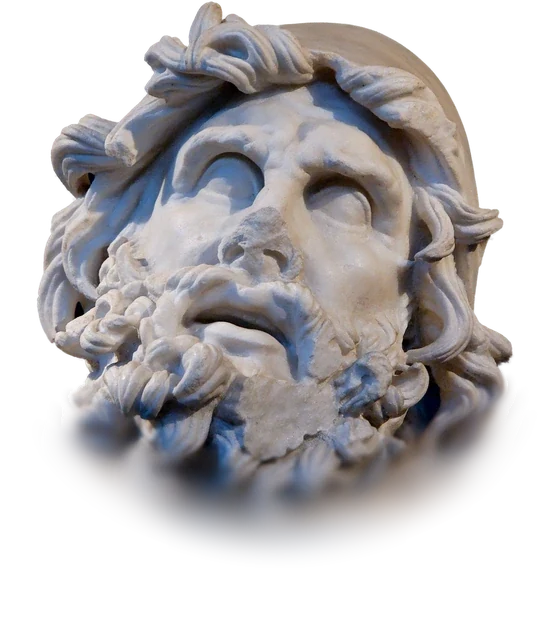
Odysseus has no IQ in Homer, and no sourced Odysseus IQ score circulates for him; our estimate is 145–165 on the usual scale (mean 100, SD 15), as of November 2026. It is a character analysis of the Odyssey, which opens by calling him polytropos, “of many turns,” and in which Athena calls him the best of mortals in counsel and speech.
Odysseus’ estimated IQ
- The Odyssey’s first line calls him polytropos, “of many turns”; Samuel Butler’s 1900 prose translation renders the opening as “that ingenious hero” (Perseus Greek text; Project Gutenberg).
- The formula polymetis Odysseus, “Odysseus of many counsels,” appears in 68 lines of the Perseus Greek text of the Odyssey (our count).
- Athena’s speech at Odyssey 13.293–299, in Butler’s words: “you are the most accomplished counsellor and orator among all mankind, while I for diplomacy and subtlety have no equal among the gods.”
- The ruse in the Cyclops’s cave, where he gives his name as Outis, “Nobody” (“Noman” in Butler), at Odyssey 9.364–367, and the wooden horse that, in Book 8, he gets into Troy by stratagem.
This is a reading of a literary character, not a measurement. Homer’s word is mêtis, practical cunning, which is closer to strategy, disguise and speech than to the abstract reasoning an IQ test scores, and a Bronze Age hero has no test. The range follows the method used for the other fictional characters on this site, and confidence is low.
- Role
- King of Ithaca; hero of Homer’s Odyssey and a figure in the Iliad
- Epithets
- polytropos, “of many turns” (Od. 1.1); polymetis, “of many counsels”
- Famous ruse
- Calls himself Outis, “Nobody,” to the Cyclops (Od. 9.364–367)
- Away from home
- Twenty years, as the poem has Odysseus say (Butler translation)
- Source texts
- Homer, Odyssey: Greek text (Perseus) and Samuel Butler’s prose translation (Project Gutenberg)
- Circulating figure
- None found; the poem gives no number and no sourced IQ circulates
What an IQ of 145–165 actually means
Set the claim aside for a moment. If someone genuinely scored in this range, here is what that would represent.
| Score range | Classification | Share of people | What it indicates |
|---|---|---|---|
| 85 – 114 | Average | ~68% | The range most people fall into. |
| 115 – 129 | Above average | ~13.6% | Roughly one person in seven. |
| 130 – 144 | Gifted | ~2% | The threshold most high-IQ societies use. |
| Above 144 | Highly gifted | ~0.1% | Figures above this range are extrapolated from the curve rather than measured. |
Percentages are approximate and describe a normal distribution. The same number means different things on tests with different standard deviations.
Thirty questions gives you a measured position on this exact scale — your score, your percentile and the ability breakdown behind it.
Find out in 30 minutes →Who Odysseus is
Who is Odysseus? Odysseus, known in Latin as Ulysses, is a legendary Greek king of Ithaca and the hero of Homer’s Odyssey. He also plays a key part in Homer’s Iliad. Wikipedia describes him as renowned for “intellectual brilliance, guile, and versatility” and known by the epithet “the Cunning.”
What does the Odyssey show him doing? In Butler’s translation the bard Demodocus is asked to sing of the wooden horse that Odysseus got into Troy by stratagem, and in Book 9 Odysseus escapes the Cyclops by giving the name Outis, “Nobody.” He is away from Ithaca for twenty years before he returns in disguise and kills the suitors in Book 22.
Is Odysseus a real person? He is a character of epic poetry and myth, so any IQ for him is an estimate of a story. The texts used here, the Greek of the Odyssey and Samuel Butler’s 1900 prose translation, are in the public domain. See other fictional characters we have checked, or compare your own result on the same scale with the IQ Metrics test.
 By Elora Mercer, Celebrity Research WriterFigures checked by Leon Falkner, Data & Research Analyst
Reviewed by Aarav Vardhan, Editor-in-Chief · Last reviewed November 2026

Odysseus: the documented record
The estimate above rests on this record. Every entry here is a matter of public fact, which is more than can be said for the number itself.
- Od. 1The poem’s first line calls him polytropos, “of many turns.”
- Od. 8A bard is asked to sing of the wooden horse that Odysseus got into Troy by stratagem.
- Od. 9In the Cyclops’s cave he gives the name Outis, “Nobody,” and escapes.
- Od. 13Athena calls him the best of mortals in counsel and speech and a master of guile.
- After 20 yearsHe returns to Ithaca in disguise.
- Od. 22He kills the suitors who have filled his house.
- Od. 23Penelope recognizes her husband.
Why no figure circulates
Following a claim back to its first appearance is the part almost nobody does — and it is what most people are actually asking.
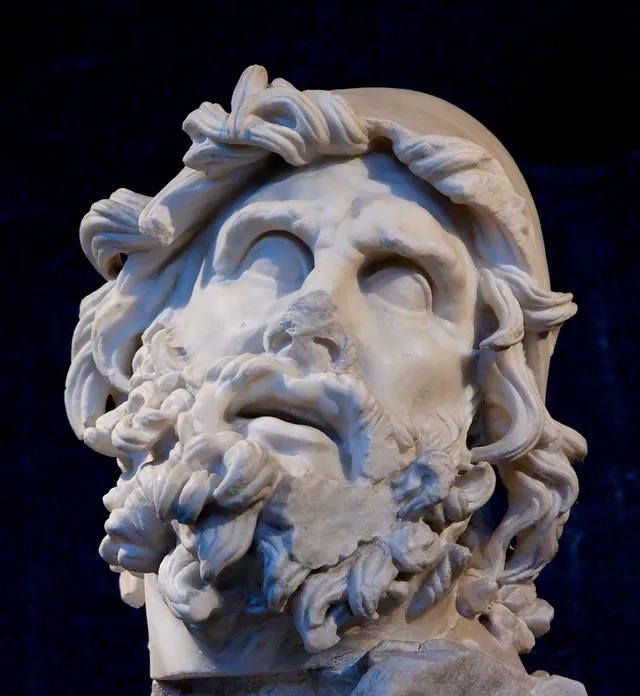
Odysseus IQ searches lead to no number from Homer. The Odyssey calls him polytropos in its first line and uses the formula polymetis Odysseus dozens of times, but those are words for cunning and many-sidedness, not scores, and IQ tests did not exist until the 1900s. If you meet an Odysseus IQ figure, ask which passage it comes from; for how such labels turn into numbers, see where celebrity IQ numbers come from.
Was Odysseus the smartest Greek hero, or just cunning? The poem answers through Athena. At Odyssey 13.297–299 she calls him the best of mortals in counsel and speech and says she herself is famed among the gods for cunning, and in the same speech she calls him “full of guile, unwearying in deceit” in Butler’s words. Cunning is a kind of intelligence, but not the kind a test measures. For how this site handles thinkers from before testing, see philosophers ranked by IQ and the profile of Aristotle.
Odysseus vs Sherlock Holmes: who is smarter? Our ranges are Odysseus 145–165 and Sherlock Holmes 180–200, so Holmes is higher. The stories differ: Holmes’s show deduction from evidence, Odysseus’s show strategy, disguise and speech. The other fiction pages in this range are Doctor Faustus (170–190) and Victor Frankenstein (160–180). On the usual scale a 145 is about the 99.87th percentile and a 165 about the 99.999th; our IQ percentile calculator shows the steps in between.
How we read a number →Line 1.1 (ἄνδρα μοι ἔννεπε, μοῦσα, πολύτροπον), lines 13.293–299 (Athena: ποικιλομῆτα; “best of mortals in counsel and speeches”; famed among the gods for cunning) and lines 9.364–367 (Οὖτις ἐμοί γʼ ὄνομα). 68 of the 12,107 lines contain a form of πολύμητις, and every one names Odysseus. The poem gives no IQ.
Public-domain prose translation: the opening “that ingenious hero,” Athena’s speech in Book XIII, the name “Noman” in Book IX, the wooden horse in Book VIII, the twenty years of absence and the killing of the suitors in Book XXII. Butler writes Ulysses and Minerva for Odysseus and Athena.
The identification of the hero of the Odyssey, the epithets polytropos and mêtis, “intellectual brilliance, guile, and versatility,” and the Latin name Ulysses. The article gives no IQ.
Confirms the identifier Q47231 is the legendary Greek king of Ithaca. A name search also returns a given name and a genus of annelids, which are not him.
Photograph by Jastrow (2006) of a Greek marble head, probably first century AD, from the villa of Tiberius at Sperlonga; released into the public domain by the photographer.
Ranges used for comparison: Holmes 180–200, Faustus 170–190, Frankenstein 160–180.
The Greek text, Butler’s translation, Wikipedia and a web search for an Odysseus IQ estimate found no number and no page that ties one to a passage.
The sources behind our estimate
The figures that circulate for Odysseus, what we were able to confirm, and where the two diverge.
People search for “Odysseus IQ” and “Odysseus IQ estimate,” but the poem gives no number and we found no source for one. Any figure is a modern guess.
The Odyssey describes his mind in words: polytropos, polymetis, a counsellor and orator without equal. It never measures it, and IQ tests were not invented until the 20th century. A search for a stated Odysseus IQ turned up no page that cites a passage.
With nothing circulating to audit, the range is the only IQ number on the page. It sits below Sherlock Holmes (180–200), Doctor Faustus (170–190) and Victor Frankenstein (160–180), whose texts lean harder on abstract reasoning. The placement is a judgment about a story, not a measurement.
Want a number that does hold up? Every figure on this page is somebody’s claim. Take the 30-question test and get a percentile you can check rather than a figure you have to trust.
Odysseus — frequently asked
What is Odysseus’s IQ?
The Odyssey gives no number, and no sourced IQ circulates for Odysseus. Our estimate is 145–165 on the usual scale (mean 100, SD 15), a character analysis of the poem and not a measurement.
Was Odysseus the smartest Greek hero, clever or just cunning?
The poem calls him both. Athena says he is the best of mortals in counsel and speech and calls him full of guile. Homer’s word for his quality is mêtis, cunning intelligence, which is practical and strategic rather than abstract.
Odysseus vs Sherlock Holmes: who is smarter?
Holmes, on this site’s ranges: Odysseus 145–165 and Sherlock Holmes 180–200. Holmes’s stories show deduction from evidence, Odysseus’s show strategy, disguise and speech, so the comparison is a judgment about two kinds of story.
Which Greek words describe Odysseus’s cleverness?
Polytropos, “of many turns,” opens the poem, and polymetis, “of many counsels,” appears in 68 lines of the Perseus Greek text. At Odyssey 13.293 Athena addresses him as poikilometa, “of varied wiles.”
Did Odysseus really trick the Cyclops by calling himself “Nobody”?
Yes, in the poem. At Odyssey 9.364–367 he says his name is Outis, and Butler’s translation gives it as “Noman.” When the other Cyclopes ask what is wrong, Polyphemus shouts that Noman is killing him by fraud, and they leave him alone.
Has anyone measured Odysseus’s IQ?
No. He is a character in an ancient poem, and IQ tests did not exist until the 20th century. Any figure you see is a modern guess, so ask which passage it comes from.
What would an IQ of 145 to 165 mean?
On the usual scale a 145 is about the 99.87th percentile and a 165 about the 99.999th. Here it is an IQ Metrics reading of a story, not a result from an IQ test.
How does my IQ compare with Odysseus?
You can find out in about fifteen minutes. The IQ Metrics assessment is 30 questions, scored on the same 100-mean scale used throughout this page, so your result and the estimate above are at least expressed in the same units — one measured, one inferred. Once you have a number, the leaderboard shows where it would sit, and how we score and norm it explains the benchmarking.
Where does this estimate come from?
From the documented record rather than a test — the method is named above and set out in full under how we read a number. Compare it against the other fictional profiles, starting with Sherlock Holmes.
- Take the 30-question IQ test — get a measured score and percentile of your own
- Average IQ by country — how the scale behaves across populations
- How IQ Metrics scores its assessment — the method behind our own number
- More on how IQ testing works — reliability, error and what a score can and cannot say
- More fictional profiles — same field, same method
More fictional
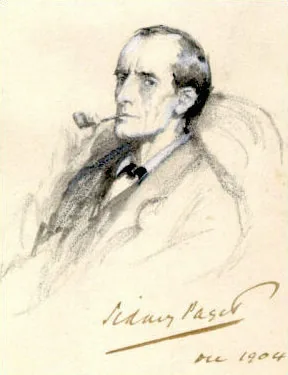
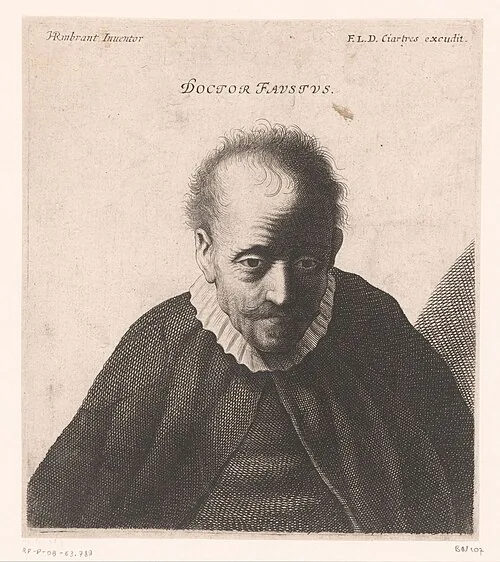
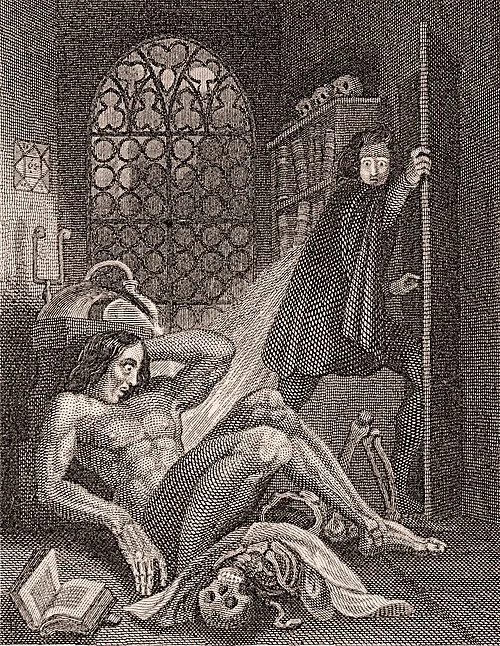
Illustration by Sidney Paget (1890s), public domain. · Print attributed to Jérôme David, after Rembrandt van Rijn, published by François Langlois. Rijksmuseum (object RP-P-OB-63.789), CC0. · Frontispiece by Theodor von Holst for the 1831 edition, public domain.


An estimate is an inference.
Yours can be measured.
Thirty questions, scored against general-population benchmarks. Your score, your percentile, your ability breakdown and a printable IIF certificate.
Find your IQ score now! →