



What was Niccolò Machiavelli’s IQ?
Catharine Cox’s 1926 study names him but gives no rating, for lack of early-years records; the 160 online cites no method.
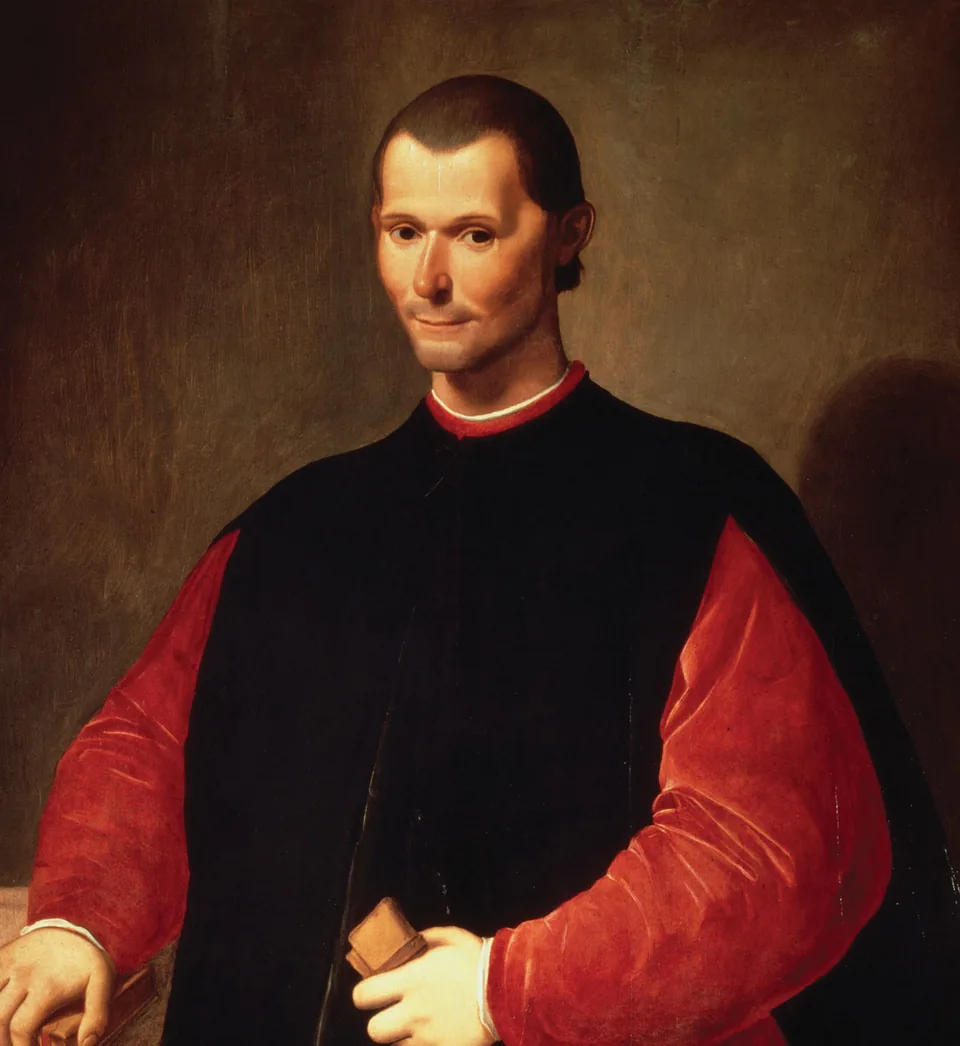
Niccolò Machiavelli’s IQ was never measured, and Catharine Cox’s 1926 study lists him but gives him no rating. One IQ-archive page puts his estimated IQ at 160 with no method. The documented record is Second Chancellor of Florence from 1498, then The Prince, written in 1513 and published in 1532. A Niccolo Machiavelli IQ score (the name is often typed without the accent) is therefore an inference, 140–160 here.
Niccolò Machiavelli’s estimated IQ
- A Latin education under the teacher Paolo da Ronciglione, and what the Stanford Encyclopedia of Philosophy calls an excellent humanist education.
- Appointment in 1498, at age 29, as Second Chancellor of the Republic of Florence, which Wikipedia says remains a mystery to scholars because he had no experience in law or public office, followed by fourteen years of diplomatic work.
- The Prince, written at the end of 1513 and perhaps early 1514 and published after his death in 1532 (Stanford Encyclopedia of Philosophy).
- The Discourses on Livy, written around 1517 and published in 1531 (Wikipedia).
This is an inference from a record of office and writing, not from a test. Cox’s method rates IQ from childhood and youth records, and for Machiavelli those records are missing, so this range leans on adult achievement alone. It is wide and low in confidence.
- Born
- May 3, 1469, Florence
- Died
- June 21, 1527, Florence
- Known for
- Florentine diplomat, author and political theorist; The Prince
- Office
- Second Chancellor of the Republic of Florence, 1498–1512
- Education
- Pupil of the Latin teacher Paolo da Ronciglione; a humanist education
- Main works
- The Prince (written 1513, published 1532); Discourses on Livy (published 1531)
- Cox (1926)
- Named in Table 12A but unrated: early-years records unavailable
- Circulating figure
- 160, from an IQ-archive page that names no test
What an IQ of 140–160 actually means
Set the claim aside for a moment. If someone genuinely scored in this range, here is what that would represent.
Average is 100 by construction, and about two-thirds of people fall between 85 and 115. Take the test to place your own score on this scale.
| Score range | Classification | Share of people | What it indicates |
|---|---|---|---|
| 85 – 114 | Average | ~68% | The range most people fall into. |
| 115 – 129 | Above average | ~13.6% | Roughly one person in seven. |
| 130 – 144 | Gifted | ~2% | The threshold most high-IQ societies use. |
| Above 144 | Highly gifted | ~0.1% | Figures above this range are extrapolated from the curve rather than measured. |
Percentages are approximate and describe a normal distribution. The same number means different things on tests with different standard deviations.
Thirty questions gives you a measured position on this exact scale — your score, your percentile and the ability breakdown behind it.
Find out in 30 minutes →Who Niccolò Machiavelli was
Who was Niccolò Machiavelli? Niccolò di Bernardo dei Machiavelli was born on May 3, 1469, in Florence and died there on June 21, 1527, according to Wikipedia. The Stanford Encyclopedia of Philosophy says little is known for certain about his early life: he became a pupil of a renowned Latin teacher, Paolo da Ronciglione, and it is speculated that he attended the University of Florence, although his writings show an excellent humanist education.
What did Niccolò Machiavelli do in office? In 1498, at age 29, he was appointed Second Chancellor of the Republic of Florence and secretary of the Dieci di Libertà e Pace, the council responsible for diplomacy and warfare. For the next fourteen years he traveled on Florence’s behalf to the major centers of Italy, and he witnessed Cesare Borgia’s methods at close range. When the Medici retook power in 1512 he was dismissed from office.
What did Niccolò Machiavelli write, and was he a genius? In early 1513 he was wrongly suspected of conspiring against the Medici and was imprisoned and tortured for several weeks. Retired to his family farm, he wrote The Prince at the end of 1513 and perhaps early 1514; it was published in 1532, five years after his death. “Genius” is a label, not a score. See other historical figures we have checked, or compare your own result on the same scale with the IQ Metrics test.
 By Elora Mercer, Celebrity Research WriterFigures checked by Leon Falkner, Data & Research Analyst
Reviewed by Aarav Vardhan, Editor-in-Chief · Last reviewed November 2026

Niccolò Machiavelli: the documented record
The estimate above rests on this record. Every entry here is a matter of public fact, which is more than can be said for the number itself.
- 1469Born May 3 in Florence.
- 1498Appointed Second Chancellor of the Republic of Florence at age 29.
- 1502Witnesses Cesare Borgia’s reprisal against his rebellious commanders at Sinigaglia on December 31.
- 1512Dismissed from office when the Medici retake power in Florence.
- 1513Imprisoned and tortured for several weeks in early 1513; writes The Prince by the end of the year.
- 1517Writes the Discourses on Livy around this year.
- 1527Dies June 21 in Florence.
- 1531The Discourses on Livy is published.
- 1532The Prince is published, five years after his death.
- 1926Catharine Cox’s study lists him in Table 12A but gives him no IQ rating.
Where the 160 figure came from
Following a claim back to its first appearance is the part almost nobody does — and it is what most people are actually asking.
Niccolo Machiavelli IQ level searches, where the name is often typed without the accent, lead to one number, 160. It appears on an IQ-archive page called The Genius Index, which labels it an “Estimated Cognitive Quotient” and calls him a scientist of politics. The page names no test, date, method or source, so the 160 is an opinion about his books, not a result. For how such numbers spread, see where celebrity IQ numbers come from.
Was Niccolò Machiavelli’s IQ ever measured? No. He died on June 21, 1527, centuries before the first IQ test. The usual route to a historical IQ is Catharine Cox’s 1926 book, Early Mental Traits of Three Hundred Geniuses, which estimated IQs from records of childhood and youth. Cox names Machiavelli only in Table 12A, among eleven eminent men whose early years were too poorly recorded to rate, so even a retrospective estimate does not exist for him. Our research on the IQ of historical geniuses sets out the method.
What is Niccolò Machiavelli’s estimated IQ if neither a test nor Cox covers him? A range inferred from adult achievement, 140–160 here. That equals Karl Marx (140–160) and Alexander Hamilton (140–160), and it sits above Napoleon (130–140), whose range rests on a Cox rating. On the usual scale a 140 is about the 99.6th percentile. For how philosophers compare, see philosophers ranked by IQ.
How we read a number →Birth and death dates, the Second Chancery appointment in 1498 at age 29 and dismissal in 1512, Paolo da Ronciglione, the Dieci di Libertà e Pace, Cesare Borgia and Sinigaglia, the 1513 imprisonment, The Prince (written around 1513, published 1532) and the Discourses (around 1517, published 1531).
Latin teacher Paolo da Ronciglione, a speculated University of Florence attendance, “an excellent humanist education,” appointment as Second Chancellor in 1498, fourteen years of diplomacy, imprisonment and torture in early 1513, The Prince penned at the end of 1513 and published posthumously in 1532; no IQ is given.
The text says eleven cases had no records available and are named for reference in Table 12A; the index lists Machiavelli only at Table 12A. Table 12A as transcribed in this site’s open dataset of the study marks Machiavelli as unrated: insufficient or no data on early years.
States an “Estimated Cognitive Quotient” of 160 and an “estimated IQ of 160”; names no test, method, date or source.
Confirms the identifier Q1399 is the Florentine statesman, diplomat and political theorist.
Posthumous portrait by Santi di Tito, Palazzo Vecchio, painted after his death; public domain.
Ranges used for comparison: Karl Marx 140–160, Alexander Hamilton 140–160, Napoleon 130–140; the research page explains Cox’s method.
No test result exists for Machiavelli, and Cox’s 1926 study gives no rating; Wikipedia and the Stanford Encyclopedia of Philosophy state none.
The sources behind our estimate
The figures that circulate for Niccolò Machiavelli, what we were able to confirm, and where the two diverge.
An online IQ-archive page, The Genius Index, lists Niccolò Machiavelli with an “Estimated Cognitive Quotient” of 160 and says he had an “estimated IQ of 160.”
The Genius Index page names no test, method, date or source for the 160. Catharine Cox’s 1926 study names Machiavelli but did not rate him, because no early-years records were available. Wikipedia’s biography and the Stanford Encyclopedia of Philosophy entry give no IQ.
The circulating 160 sits at the very top of the 140–160 range. It is the number a reader would expect for a famous strategist, and the archive page offers nothing for it beyond a reading of his books.
Want a number that does hold up? Every figure on this page is somebody’s claim. Take the 30-question test and get a percentile you can check rather than a figure you have to trust.
Niccolò Machiavelli — frequently asked
What was Niccolò Machiavelli’s IQ?
Niccolò Machiavelli’s IQ was never measured: he died in 1527, centuries before IQ tests, and Catharine Cox’s 1926 study names him but gives no rating for lack of early-years records. One IQ-archive page cites 160 with no method. This site’s estimated range, inferred from his record, is 140–160 on a scale with mean 100 and SD 15.
What was Niccolo Machiavelli’s IQ level?
Niccolo Machiavelli’s IQ level is unknown. No test result exists, and the only number found, 160 on The Genius Index, comes with no test, method or source. His documented record, from the 1498 chancellorship to The Prince, supports an estimate of 140–160, not a measured level.
What is Niccolo Machiavelli’s estimated IQ?
A Niccolo Machiavelli estimated IQ is an inference, not a measurement. This site rates it at 140–160 from adult achievement alone, because Cox’s 1926 study, the usual source for historical IQs, lists him but gives no rating. A range like this describes a record, not a test result.
Where does Machiavelli’s IQ of 160 come from?
The 160 appears on an IQ-archive page, The Genius Index, as an “Estimated Cognitive Quotient.” The page names no test, method, date or source, so the figure cannot be traced to a measurement or to Cox’s 1926 study, which does not rate him.
Did Catharine Cox rate Machiavelli’s IQ?
No. Cox’s 1926 book Early Mental Traits of Three Hundred Geniuses names Machiavelli in Table 12A but, like ten others, he is unrated because records of his early years were not available. Cox rated IQs from childhood and youth records only.
Was Machiavelli a genius?
“Genius” is a label, not a score, and no test result supports or refutes it. The documented record is a humanist education, appointment as Second Chancellor of Florence in 1498 at age 29, fourteen years of diplomacy and The Prince, published in 1532.
How does Machiavelli’s estimated IQ compare with Karl Marx’s?
This site rates Niccolò Machiavelli at 140–160 and Karl Marx at 140–160, so the ranges are identical and no ranking is supported. Both are inferred from documented achievement, not tests; neither lived to see an IQ test, and both are low in confidence.
How does my IQ compare with Niccolò Machiavelli?
You can find out in about fifteen minutes. The IQ Metrics assessment is 30 questions, scored on the same 100-mean scale used throughout this page, so your result and the estimate above are at least expressed in the same units — one measured, one inferred. Once you have a number, the leaderboard shows where it would sit, and how we score and norm it explains the benchmarking.
Where does this estimate come from?
From the documented record rather than a test — the method is named above and set out in full under how we read a number. Compare it against the other historical profiles, starting with Isaac Newton.
- Take the 30-question IQ test — get a measured score and percentile of your own
- Average IQ by country — how the scale behaves across populations
- How IQ Metrics scores its assessment — the method behind our own number
- More on how IQ testing works — reliability, error and what a score can and cannot say
- More historical profiles — same field, same method
More historical
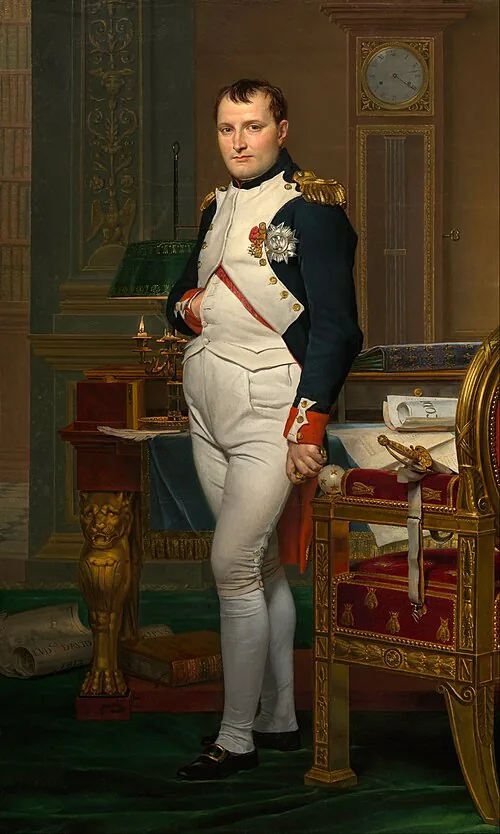
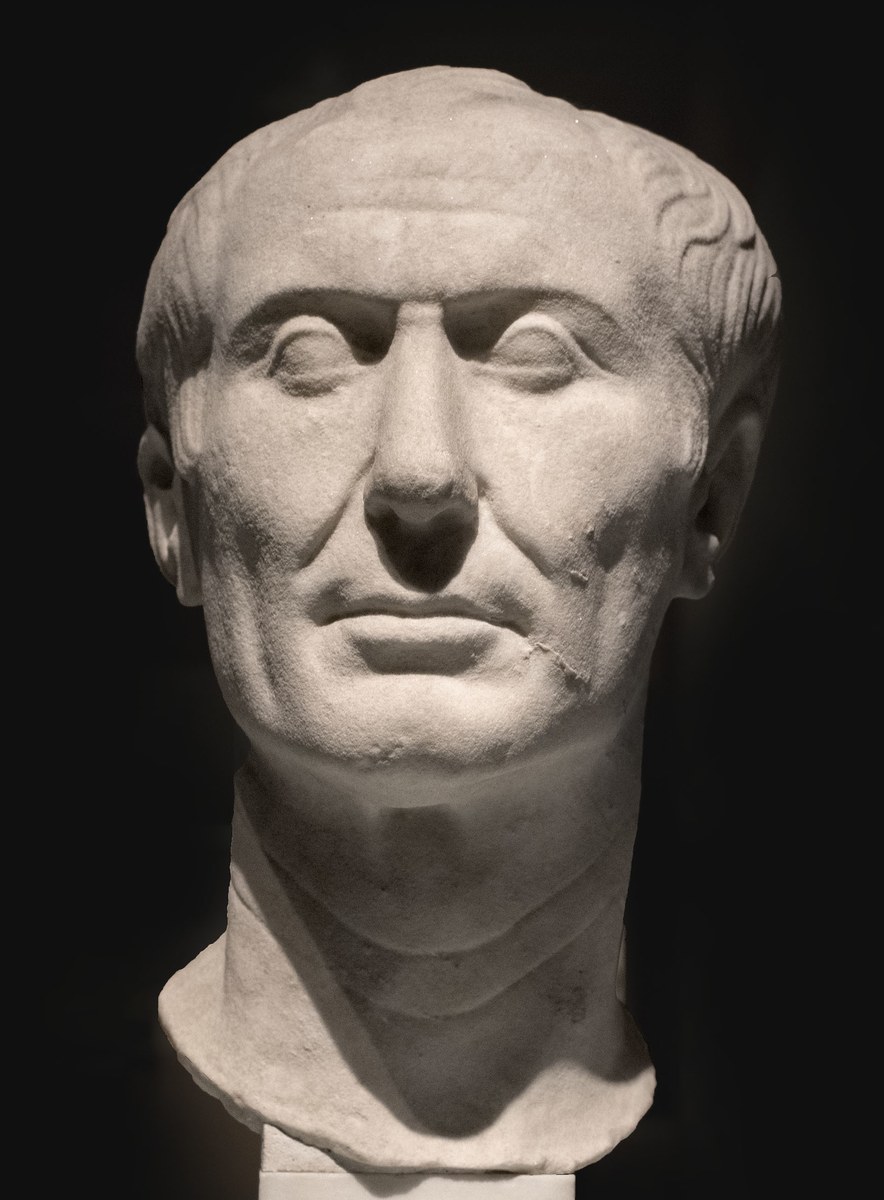
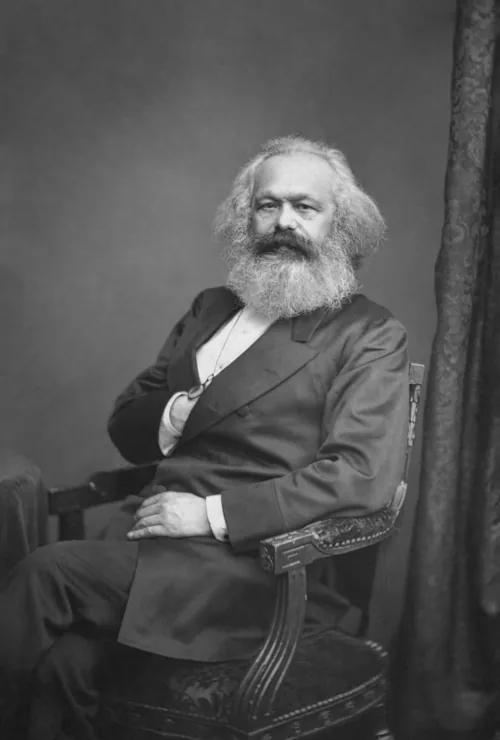
Portrait by Jacques-Louis David (1812), via Wikimedia Commons, public domain. · Photograph by Ángel M. Felicísimo, public domain. Background removed for the portrait above. · Photograph by John Jabez Edwin Mayall (1875), public domain. Background removed for the portrait above.


An estimate is an inference.
Yours can be measured.
Thirty questions, scored against general-population benchmarks. Your score, your percentile, your ability breakdown and a printable IIF certificate.
Find your IQ score now! →