



What was Hermann Göring’s IQ?
A real 1945 test, not an unsourced list entry: 138 on Gustave Gilbert’s own German Wechsler-Bellevue, joint third among the 21 Nuremberg defendants.
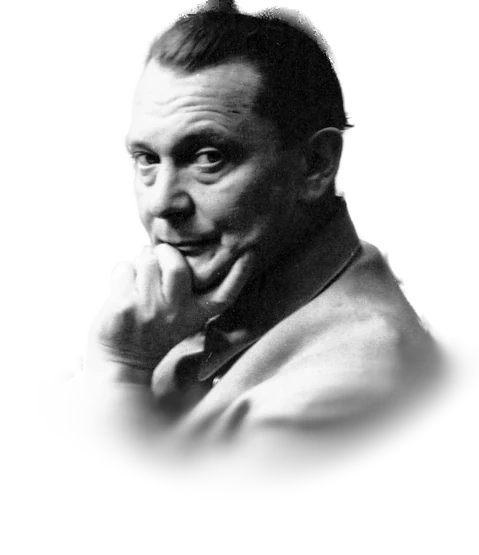
Hermann Göring’s IQ is documented at 138: Gustave Gilbert, an American psychologist at the Nuremberg prison, gave him his own German version of the Wechsler-Bellevue in November 1945 and printed the score in his 1947 Nuremberg Diary. It is a real test result, though not a modern one, so this site’s estimated IQ range for him is 128–142.
Hermann Göring’s estimated IQ
- A documented score of 138: Gustave Gilbert’s Nuremberg Diary (1947) prints Göring at 138 in a table of 21 defendants, level with Karl Dönitz and behind Hjalmar Schacht (143) and Arthur Seyss-Inquart (141).
- Gilbert gave the test in Göring’s cell, in the diary entry headed November 15. By the end of the first subtest, a memory-span task, he was “acting like a bright and egotistical schoolboy,” which suggests he took the test seriously.
- The scale was Gilbert’s “own German version” of the American Wechsler-Bellevue, with culture-dependent parts such as vocabulary and general information left out or compensated for, and with IQs calculated by the Wechsler-Bellevue method, which allows for age.
- The 21 men tested averaged 128 (the printed scores sum to 2,688, our arithmetic; Eric Zillmer gives the same mean), so 138 is ten points above the group, not an outlier.
- His documented schooling and career fit a high score without proving a number: cadet school with the Abitur and officer’s examination in 1913, then First World War fighter pilot and the Pour le Mérite in May 1918, according to the Deutsches Historisches Museum.
One administration, in a cell, on a scale the examiner adapted himself from a 1939 American design, with no German standardization sample described in the pages we read: the 138 may be accurate for that day, but it cannot be read like a score on a current test. The range sits slightly below 138 because the doubts about the scale outnumber the reasons to read it higher; it is an inference around a documented score, not a modern IQ.
- Born
- January 12, 1893, Rosenheim, Bavaria
- Died
- October 15, 1946, Nuremberg prison; suicide by cyanide a few hours before his execution
- Education
- Cadet school with Abitur and officer’s examination, 1913; enrolled at the University of Munich in 1921–22 without finishing
- First World War
- Fighter pilot; Pour le Mérite, May 1918; commanded the Richthofen wing from July 1918
- Office
- Air minister from May 1933; supreme commander of the Luftwaffe from March 1935
- Verdict
- Guilty on all four counts; sentenced to death by hanging on October 1, 1946
- Test
- Gilbert’s own German version of the Wechsler-Bellevue, given in his cell (diary entry of November 15, 1945)
- Nuremberg IQ score
- 138, joint third of 21 behind Schacht (143) and Seyss-Inquart (141); level with Dönitz
What an IQ of 128–142 actually means
Set the claim aside for a moment. If someone genuinely scored in this range, here is what that would represent.
Average is 100 by construction, and about two-thirds of people fall between 85 and 115. Take the test to place your own score on this scale.
| Score range | Classification | Share of people | What it indicates |
|---|---|---|---|
| 85 – 114 | Average | ~68% | The range most people fall into. |
| 115 – 129 | Above average | ~13.6% | Roughly one person in seven. |
| 130 – 144 | Gifted | ~2% | The threshold most high-IQ societies use. |
| Above 144 | Highly gifted | ~0.1% | Figures above this range are extrapolated from the curve rather than measured. |
Percentages are approximate and describe a normal distribution. The same number means different things on tests with different standard deviations.
Thirty questions gives you a measured position on this exact scale — your score, your percentile and the ability breakdown behind it.
Find out in 30 minutes →Who Hermann Göring was
Hermann Göring was born on January 12, 1893, in Rosenheim, Bavaria. The Deutsches Historisches Museum (DHM) chronology records that he finished cadet school with the Abitur and the officer’s examination in 1913. English Wikipedia says he was sent at 16 to a military academy in Berlin-Lichterfelde and graduated with distinction. After the First World War he returned to Germany. According to the DHM, he enrolled at the University of Munich in 1921–22 without finishing the course.
In 1914, after the war began, he reported to the air service. The DHM lists him as a fighter pilot from 1915. In May 1918 he received the Pour le Mérite, which the DHM calls the highest war decoration. In July 1918, after Manfred von Richthofen’s death, he took command of the Richthofen wing, Jagdgeschwader 1 (July 7, 1918, according to English Wikipedia). The DHM adds that he was named air minister in May 1933 and took supreme command of the newly founded Luftwaffe in March 1935.
Gilbert’s testing took place while the defendants were held in solitary confinement. He wrote that the testing program was virtually completed before the trial began. Because Göring died in October 1946, the November 15 entry can only be from 1945, when he was 52. Gilbert warned that the effective intelligence of older defendants such as Franz von Papen and Erich Raeder was 15–20 points below their printed IQs, but he did not name Göring among them.
The Tribunal found Göring guilty on all four counts of the indictment. On October 1, 1946 it sentenced him to death by hanging, according to the Avalon Project’s record of that day’s session. On October 15, 1946, a few hours before the execution, he died by suicide with cyanide in the Nuremberg prison, according to the DHM. This page covers only the IQ figure attached to his name and his education and early career.
 By Elora Mercer, Celebrity Research WriterFigures checked by Leon Falkner, Data & Research Analyst
Reviewed by Aarav Vardhan, Editor-in-Chief · Last reviewed October 2026

Hermann Göring: the documented record
The estimate above rests on this record. Every entry here is a matter of public fact, which is more than can be said for the number itself.
- 1893Born January 12 in Rosenheim, Bavaria.
- 1913Finishes cadet school with the Abitur and the officer’s examination.
- 1914–18Reports to the air service in 1914; fighter pilot from 1915; Pour le Mérite in May 1918; takes command of the Richthofen wing in July 1918.
- 1921–22Returns to Germany and enrolls at the University of Munich; does not finish the course.
- 1933Named air minister in May.
- 1935Takes supreme command of the newly founded Luftwaffe in March.
- 1939The Wechsler-Bellevue Intelligence Scale is released by David Wechsler of Bellevue Hospital, New York.
- 1945On November 15 Gilbert gives Göring the intelligence test in his cell; the diary table later prints 138.
- 1946Sentenced to death by hanging on October 1; dies by suicide on October 15, a few hours before the execution.
- 1947Gilbert’s Nuremberg Diary carries a 1947 copyright and prints the table of 21 IQ scores.
Where the 138 figure came from
Following a claim back to its first appearance is the part almost nobody does — and it is what most people are actually asking.

Hermann Göring’s IQ score is 138, and it comes from a real test, which is rare among celebrity IQ figures. Gustave Gilbert, an American psychologist working in the Nuremberg prison, printed it in his 1947 book Nuremberg Diary, in a table of 21 defendants. Göring is joint third, level with Karl Dönitz, behind Hjalmar Schacht (143) and Arthur Seyss-Inquart (141). The full Nuremberg table is covered elsewhere on this site; this page follows Göring’s own result.
The diary entry headed November 15 says Gilbert gave Göring the intelligence test in his cell. By the end of the first subtest, Göring was “acting like a bright and egotistical schoolboy.” Gilbert adds that he was given to understand he had the highest rating so far. The finished table did not put him first, “much to his annoyance.” Eric Zillmer, who co-wrote The Quest for the Nazi Personality, says Göring then claimed the test was unreliable.
The Göring IQ level of 138 cannot be read like a modern score. Gilbert wrote that he used “my own German version” of the Wechsler-Bellevue, an American scale released in 1939, and compensated for culture-dependent parts such as vocabulary and general information. He calculated IQs by the Wechsler-Bellevue method, which allows for age (how a deviation IQ is built). The pages we read describe no German standardization sample, and test norms expire.
Gilbert closed the table with a warning that applies here: the IQ “indicates nothing but the mechanical efficiency of the mind” and “has nothing to do with character or morals.” Göring’s estimated IQ of 128–142 overlaps Napoleon (130–140, built from a 1926 study) and sits above Adolf Hitler (110–135), who died before the testing. Ted Kaczynski has a comparable documented score, a WAIS-R Full Scale of 136, near an IQ of 140. Most celebrity IQ numbers have no test behind them (where they come from).
How we read a number →Gilbert writes that he used his own German version of the American Wechsler-Bellevue Adult Intelligence Test and calculated IQs by the Wechsler-Bellevue method; the table prints Schacht 143, Seyss-Inquart 141, Göring (as Goering) 138, Dönitz 138 and 21 names in all, ending with Streicher 106; the November 15 entry describes the test in Göring’s cell; a later passage says Göring did not rank highest, much to his annoyance. Only the first 100,000 of about 1,008,000 characters of the scan were read.
Records the Tribunal’s finding that the defendant Goering was guilty on all four counts and the sentence: “the Tribunal sentences you to death by hanging.”
Chronology: born January 12, 1893 in Rosenheim; cadet school with Abitur and officer’s examination, 1913; fighter pilot; Pour le Mérite, May 1918; Richthofen wing, July 1918; University of Munich 1921–22 without finishing; air minister May 1933; Luftwaffe supreme command March 1935; guilty on October 1, 1946; suicide by cyanide on October 15, 1946, hours before the execution.
Zillmer, answering a question on the IQ tests, says the mean for the 21 defendants was 128 and Göring’s was 138; that he was furious to learn Schacht and Seyss-Inquart had beaten him and then claimed the test was unreliable; that results were not publicly announced until much later; and that the IQ test says nothing about morality. It does not name the test or the examiner.
States that Douglas Kelley used intelligence testing to assign Göring an IQ of 138, third highest among the incarcerated Nazis. Says the warden brought in the American psychologist Gilbert to assist Kelley in evaluating the prisoners; its credit of the intelligence test to Kelley differs from Gilbert’s own account.
Says Gilbert administered the Wechsler Adult Intelligence Scale and lists Göring at 138 with Dönitz; repeats that the IQ indicates nothing but the mechanical efficiency of the mind and has nothing to do with character or morals. The test name differs from Gilbert’s own wording.
Göring: sent at 16 to the military academy in Berlin-Lichterfelde, Pour le Mérite in May 1918, command of Jagdgeschwader 1 on July 7, 1918, head of the Luftwaffe High Command from March 1, 1935, convicted and sentenced to death by hanging, died October 15, 1946; the first 100,000 characters of the page were read and contain no IQ statement. Wechsler-Bellevue released in 1939 by David Wechsler of Bellevue Hospital; WAIS Form I published February 1955. Wikidata Q47906 is the human born 1893-01-12 and died 1946-10-15.
In the pages opened, Göring appears with one score from one administration. No raw subtest scores beyond the diary’s account of the memory-span task, no second test and no description of a German standardization sample for Gilbert’s adaptation were found.
The sources behind our estimate
The figures that circulate for Hermann Göring, what we were able to confirm, and where the two diverge.
138 is the figure that circulates for Hermann Göring’s IQ. Eric Zillmer, in a Cabinet magazine interview, says Göring “had an IQ of 138”; Scientific American (Jack El-Hai, January 1, 2011) says he was assigned an IQ of 138, third highest among the incarcerated Nazis; Skeptic magazine’s article on the Nuremberg trial lists him at 138 and says Gilbert gave the Wechsler Adult Intelligence Scale. Gilbert’s book spells the name Goering, the spelling many people search.
The 138 comes from a dated test, printed by the examiner himself. Gilbert’s Nuremberg Diary, copyright 1947, prints Hermann Goering at 138 in its table, and its entry headed November 15 describes giving him the intelligence test in his cell. The retellings drift from that source. Skeptic names the Wechsler Adult Intelligence Scale, which was not published until 1955; Scientific American credits the psychiatrist Douglas Kelley with the intelligence testing, while Gilbert writes that he administered it himself; and the Cabinet interview says only that the defendants were given IQ tests, without naming the test or the tester.
The spread is 14 points. Unlike most figures on this site, the circulating 138 is a real, dated test score and sits inside the range, 10 points above the low end and 4 below the top. The range stays 14 points wide because the examiner adapted the scale himself, the scale dates from 1939, and the score comes from a single session.
Want a number that does hold up? Every figure on this page is somebody’s claim. Take the 30-question test and get a percentile you can check rather than a figure you have to trust.
Hermann Göring — frequently asked
What is Hermann Göring’s IQ?
Hermann Göring’s IQ was recorded as 138 on the German version of the Wechsler-Bellevue that Gustave Gilbert gave him at Nuremberg in November 1945, joint third among 21 defendants. It is a real test result on an adapted 1940s scale, so this site’s estimated IQ range for him is 128–142.
Is the Hermann Goering IQ of 138 real?
Yes, a test produced it. Gilbert printed 138 for Göring in his 1947 Nuremberg Diary and describes giving the test in Göring’s cell. It is not a score a current test would reproduce: the scale was Gilbert’s own adaptation of a 1939 American test, given once, with no German norming described.
Did Hermann Göring take an IQ test, and which one?
Gilbert writes that he used his own German version of the American Wechsler-Bellevue Adult Intelligence Test. Some retellings call it the Wechsler Adult Intelligence Scale, but the WAIS was first published in 1955, ten years after the testing. Scientific American credits the psychiatrist Douglas Kelley; Gilbert’s own account says he gave it himself.
Who scored highest at Nuremberg, Schacht or Göring?
Hjalmar Schacht, with 143, according to Gilbert’s table. Arthur Seyss-Inquart followed at 141, then Göring and Karl Dönitz at 138 each. Gilbert writes that Göring did not rank highest, much to his annoyance. The 21 men averaged 128, so Göring was ten points above the group.
Was Hermann Göring a genius?
A score of 138 shows high performance on a mental-ability test in 1945; it does not settle whether anyone should be called a genius. Gilbert himself warned that the IQ “has nothing to do with character or morals,” and Zillmer says the test says nothing about morality. The score tells us nothing about his conduct.
Why can’t Göring’s 138 be compared with a modern IQ score?
The scale was Gilbert’s own German version of a 1939 American test, with culture-dependent parts such as vocabulary left out or compensated for. The pages we read describe no German standardization sample, and test norms expire. It was also one session, in a prison cell, with the ordinary margin of error.
How does Hermann Göring’s estimated IQ compare with Adolf Hitler’s and Ted Kaczynski’s?
This site’s range for Göring, 128–142, sits above Adolf Hitler’s 110–135, which rests on no test; Hitler died before the Nuremberg testing. It overlaps Ted Kaczynski’s 135–150, which starts from a WAIS-R Full Scale of 136. Göring’s is the one anchored on a Nuremberg-era result.
How does my IQ compare with Hermann Göring?
You can find out in about fifteen minutes. The IQ Metrics assessment is 30 questions, scored on the same 100-mean scale used throughout this page, so your result and the estimate above are at least expressed in the same units — one measured, one inferred. Once you have a number, the leaderboard shows where it would sit, and how we score and norm it explains the benchmarking.
Where does this estimate come from?
From the documented record rather than a test — the method is named above and set out in full under how we read a number. Compare it against the other historical profiles, starting with Isaac Newton.
- Take the 30-question IQ test — get a measured score and percentile of your own
- Average IQ by country — how the scale behaves across populations
- How IQ Metrics scores its assessment — the method behind our own number
- More on how IQ testing works — reliability, error and what a score can and cannot say
- More historical profiles — same field, same method
More historical
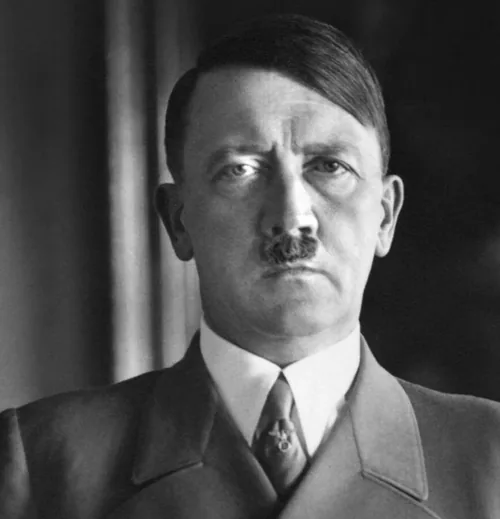
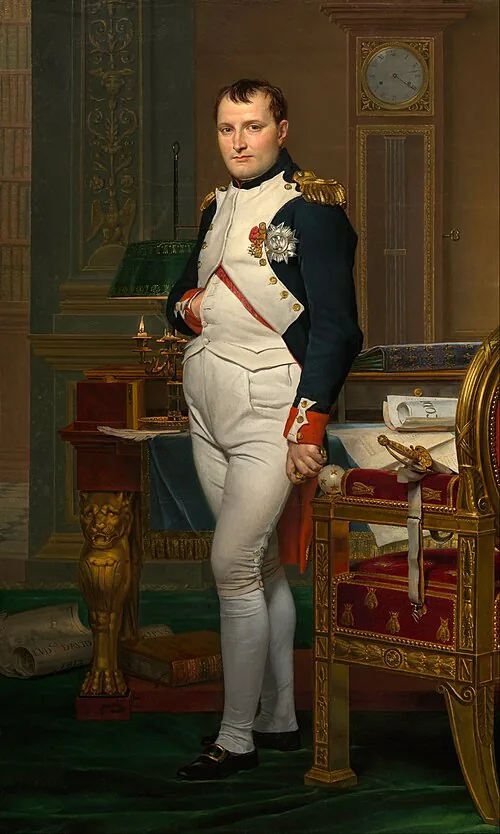
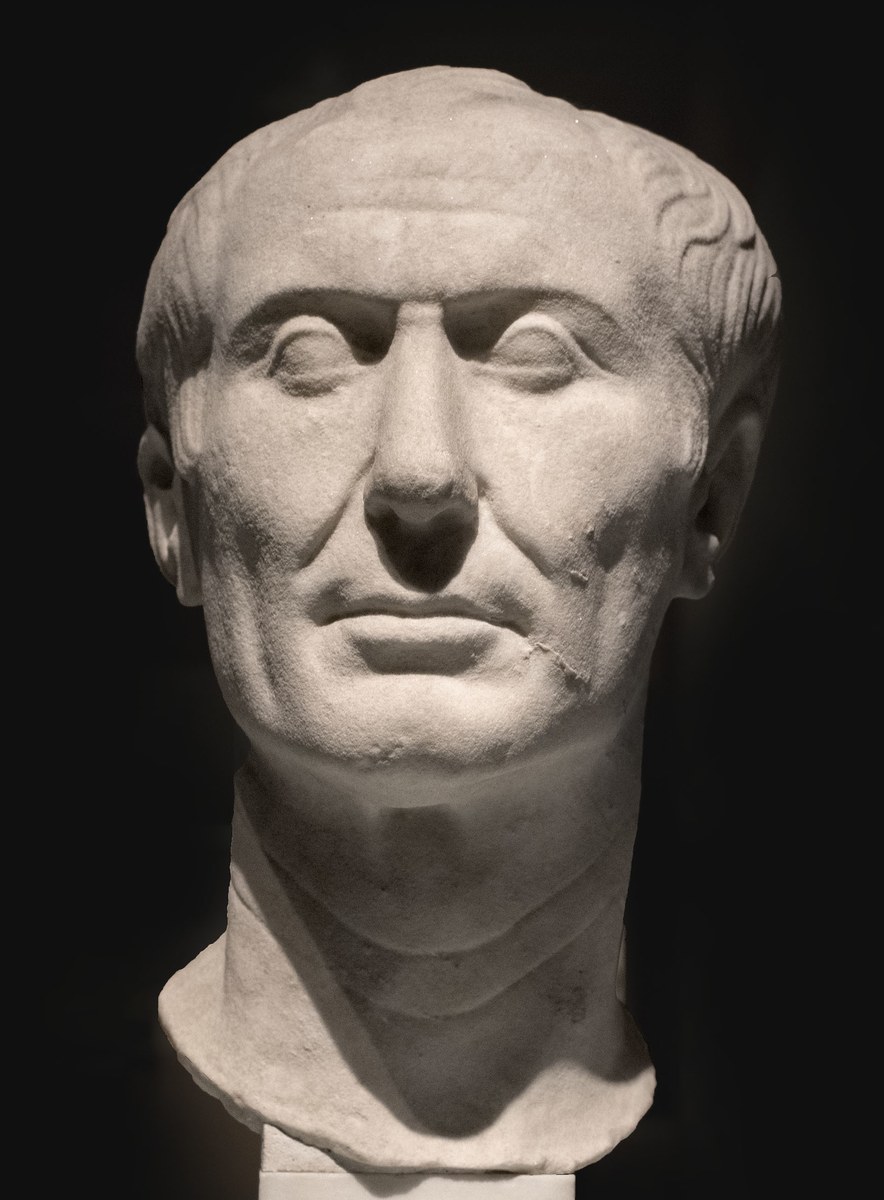
Portrait photograph of Adolf Hitler by Heinrich Hoffmann (1938; German Federal Archives, Bild 183-H1216-0500-002), retouched by Notwist; Commons file, CC BY-SA 3.0 DE. Cropped to the head and collar and with background removed for the portrait above. · Portrait by Jacques-Louis David (1812), via Wikimedia Commons, public domain. · Photograph by Ángel M. Felicísimo, public domain. Background removed for the portrait above.


An estimate is an inference.
Yours can be measured.
Thirty questions, scored against general-population benchmarks. Your score, your percentile, your ability breakdown and a printable IIF certificate.
Find your IQ score now! →