



What was Albert Camus’ IQ?
A 1924 scholarship, a 1936 philosophy thesis, a 1957 Nobel Prize — and one IQ number with no method behind it.
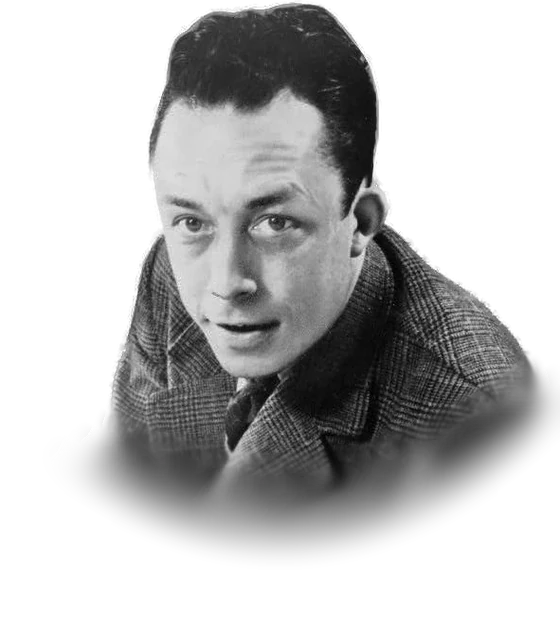
Albert Camus’s IQ was never measured, and the one Albert Camus IQ score online, 155 on geniuses.club, comes with no test, source or method. What is documented is a 1924 scholarship to the Grand Lycée d’Alger, a 1936 philosophy diploma and the 1957 Nobel Prize in Literature, which support an Albert Camus estimated IQ of 140–155 — an inference from a record, not a result.
Albert Camus’ estimated IQ
- A 1924 scholarship to the Grand Lycée d’Alger, won through a competition for which his primary-school teacher Louis Germain gave him lessons without charge.
- The baccalauréat in June 1932, then philosophy at the University of Algiers and, in 1936, the diplôme d’études supérieures, with a mémoire titled “Métaphysique chrétienne et néoplatonisme” on Plotinus and Augustine of Hippo — a diploma French Wikipedia calls the equivalent of a master’s.
- Two books in 1942, the novel L’Étranger and the essay Le Mythe de Sisyphe, followed by La Peste (1947), L’Homme révolté (1951) and La Chute (1956), and plays including Caligula (written 1938, staged in Paris in 1945).
- The 1957 Nobel Prize in Literature, awarded for work the Swedish Academy said sheds light on the problems of the human conscience; English Wikipedia counts him, at 44, the second-youngest literature laureate after Rudyard Kipling.
- Direction of the clandestine newspaper Combat with Pascal Pia from 1943, which he gave up in 1947.
None of this is a ranked or scored result. No source opened for this page gives marks, a class or a rank for the 1924 competition or the 1936 diploma, he held no doctorate, and a Nobel Prize records a committee’s judgment of a body of literary work, not a measure of reasoning. That is why the range is wide, and why the 155 circulating for Albert Camus’s estimated IQ is read here as a ceiling, not a midpoint.
- Born
- November 7, 1913, Mondovi (now Dréan), French Algeria
- Died
- January 4, 1960, near Sens, France, aged 46
- Field
- Novels, essays, theater, journalism, philosophy
- Education
- Grand Lycée d’Alger on a 1924 scholarship; University of Algiers, diplôme d’études supérieures in philosophy, 1936
- Nobel Prize
- Literature, 1957 (banquet speech December 10, 1957)
- Best-known works
- L’Étranger and Le Mythe de Sisyphe (1942); La Peste (1947); La Chute (1956)
- Circulating IQ figure
- 155 on geniuses.club, with no test or method given
- In Cox’s 1926 study?
- No — her subjects lived between 1450 and 1850; Camus was born in 1913
What an IQ of 140–155 actually means
Set the claim aside for a moment. If someone genuinely scored in this range, here is what that would represent.
Average is 100 by construction, and about two-thirds of people fall between 85 and 115. Take the test to place your own score on this scale.
| Score range | Classification | Share of people | What it indicates |
|---|---|---|---|
| 85 – 114 | Average | ~68% | The range most people fall into. |
| 115 – 129 | Above average | ~13.6% | Roughly one person in seven. |
| 130 – 144 | Gifted | ~2% | The threshold most high-IQ societies use. |
| Above 144 | Highly gifted | ~0.1% | Figures above this range are extrapolated from the curve rather than measured. |
Percentages are approximate and describe a normal distribution. The same number means different things on tests with different standard deviations.
Thirty questions gives you a measured position on this exact scale — your score, your percentile and the ability breakdown behind it.
Find out in 30 minutes →Who Albert Camus was
Albert Camus was born on November 7, 1913, in Mondovi (now Dréan), French Algeria, and grew up in the Belcourt district of Algiers; the Nobel Foundation describes an impoverished upbringing. His primary-school teacher Louis Germain gave him lessons without charge for the 1924 scholarship competition, and the scholarship took him to the Grand Lycée d’Alger (now the lycée Émir Abdelkader, according to French Wikipedia), where Jean Grenier became his philosophy teacher. After the Nobel announcement he wrote to Germain, on November 19, 1957, that none of it would have happened without his teaching. He completed the baccalauréat in June 1932.
In 1933 Camus enrolled at the University of Algiers to read for the diplôme d’études supérieures in philosophy, and in 1936 he received it for a mémoire titled “Métaphysique chrétienne et néoplatonisme,” on Plotinus and Augustine of Hippo. French Wikipedia and the Internet Encyclopedia of Philosophy give the diploma that name; English Wikipedia calls the 1936 qualification a licence. Philosophy was meant to be his career: the Nobel Foundation’s biography says only chance prevented him from pursuing a university career in the field, and Hérodote reports that tuberculosis kept him from sitting the agrégation in philosophy in 1937, which ended his plan to become a teacher. English Wikipedia says he was drawn to the ancient Greek philosophers and to Friedrich Nietzsche.
He turned to journalism and the theater. He joined Alger républicain in 1938, worked as a layout editor at Paris-Soir in 1940, and in 1942 published L’Étranger and Le Mythe de Sisyphe. From 1943 he ran the clandestine newspaper Combat with Pascal Pia, and in the same year, according to French Wikipedia, became a reader for the publisher Gallimard; he wrote for Combat after the liberation of Paris and gave up its direction in 1947, the year of La Peste, which French Wikipedia says won the Prix des Critiques in 1948. Caligula was written in 1938 and staged in Paris in 1945; L’Homme révolté followed in 1951, La Chute in 1956 and the story collection L’Exil et le royaume in 1957. He also adapted other writers for the stage, among them Faulkner’s Requiem for a Nun and, in a production that opened in January 1959 at the Antoine Theatre in Paris, Fyodor Dostoevsky’s Demons.
The Swedish Academy awarded Camus the 1957 Nobel Prize in Literature, announced in October 1957; he gave his banquet speech at Stockholm City Hall on December 10, 1957, at 44. English Wikipedia counts him the second-youngest literature laureate, after Rudyard Kipling, whom nobelprize.org gives as the youngest, at 41. The unfinished autobiographical novel Le Premier Homme was published after his death (Gallimard, 1994, according to French Wikipedia). Camus died on January 4, 1960, near Sens, France, aged 46.
 By Elora Mercer, Celebrity Research WriterFigures checked by Leon Falkner, Data & Research Analyst
Reviewed by Aarav Vardhan, Editor-in-Chief · Last reviewed August 2026

Albert Camus: the documented record
The estimate above rests on this record. Every entry here is a matter of public fact, which is more than can be said for the number itself.
- 1913Born November 7 in Mondovi (now Dréan), French Algeria.
- 1924Wins a scholarship to the Grand Lycée d’Alger after coaching without charge from his teacher Louis Germain.
- 1932Completes the baccalauréat in June.
- 1936Receives the diplôme d’études supérieures in philosophy for a mémoire on Plotinus and Augustine.
- 1938Joins the staff of the Algiers newspaper Alger républicain.
- 1942Publishes L’Étranger and Le Mythe de Sisyphe.
- 1943Runs the clandestine newspaper Combat with Pascal Pia.
- 1947Publishes La Peste and gives up the direction of Combat.
- 1957Awarded the Nobel Prize in Literature; banquet speech in Stockholm on December 10.
- 1960Dies January 4, near Sens, France.
Where the 155 figure came from
Following a claim back to its first appearance is the part almost nobody does — and it is what most people are actually asking.
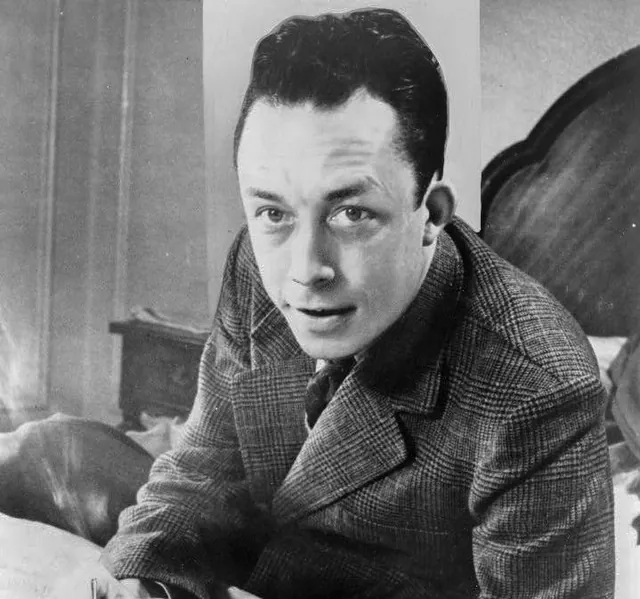
The only Albert Camus IQ score found online is 155, on geniuses.club, and the page gives no test, source, method or date for it. The profile is titled an IQ estimate, its FAQ says the site lists an estimated IQ of 155, and it adds that figures of this kind are published estimates rather than measured, verified test scores. The same FAQ works out his age as 113 in September 2026, although he died in 1960. It is the pattern this site traces across celebrity IQ numbers: a round figure on a page with no citation. No other page we found states one.
Camus falls outside the one historical study that put numbers on writers. Catharine Cox’s 1926 Early Mental Traits of Three Hundred Geniuses covers people who lived between 1450 and 1850; the name Camus does not appear in its full text on archive.org, and a man born in 1913 could not. Franz Kafka, born in 1883, is outside it too, and English Wikipedia lists him among the novelist-philosophers Camus read. Testing was available in Camus’s lifetime — the Binet–Simon scale was published in 1905 (see the history of intelligence testing) — but the Nobel Foundation’s biography, the Internet Encyclopedia of Philosophy and both Wikipedias report no score for him. They record a chain of competitions and diplomas instead: the 1924 scholarship contest, the 1932 baccalauréat and the 1936 diploma.
Was Albert Camus a genius? The record shows an unusually able student and a Nobel laureate, and neither is a score. A Nobel Prize rewards a body of work (see what was measured and what was guessed for Nobel winners), and passing one selective gate after another shows he cleared them, not how far above them he stood. The scholarship competition and the diploma are the two items closest to a test, and neither has a published mark. Among writers who also won the Nobel Prize in Literature, this site places Camus’s IQ range of 140–155 above Ernest Hemingway (128–145, prize in 1954) and below Bertrand Russell (160–175, prize in 1950).
An Albert Camus IQ of 155 would sit about 3.7 standard deviations above the mean of 100 on the usual scale with a standard deviation of 15. A score around 150 is something a norm-referenced test reports for a person who sat it; nobody sat it for Camus. The record is compatible with a very able man and silent on whether he stood at the top of this range or the bottom, which is why the page states a range, names its weakness, and does not present the 155 as a fact.
How we read a number →Born November 7, 1913, Mondovi, French Algeria; died January 4, 1960, Sens, France; the prize motivation; the study at the university in Algeria; Combat; the 1947 retirement from political journalism; works with years (Le Mythe de Sisyphe 1942, L’Étranger 1942, La Chute 1956); the posthumous Le Premier Homme; the statement that only chance prevented a university career in philosophy.
Banquet speech at Stockholm City Hall dated December 10, 1957; the overview names Rudyard Kipling as the youngest literature laureate, at 41. nobelprize.org does not itself call Camus the second-youngest.
Born November 7, 1913, in Mondovi; scholarship to the Grand Lycée; baccalauréat in June 1932; enrolled at the University of Algiers in 1933 for the diplôme d’études supérieures in philosophy; 1936 degree and dissertation on Plotinus and St. Augustine; Combat from 1943; The Rebel 1951; The Fall 1956; the Nobel Prize in fall 1957. No IQ figure on the page.
Louis Germain’s lessons without charge for the scholarship competition in 1924 and entry to the Grand Lycée d’Alger; Jean Grenier as philosophy teacher; Combat 1943–1947 and the Prix des Critiques for La Peste; the 1936 diplôme d’études supérieures (equivalent of a master’s) with the mémoire “Métaphysique chrétienne et néoplatonisme” on Plotin and Augustin; the letter to Germain of November 19, 1957; death on January 4, 1960 at Villeblevin (Yonne).
Born in Mondovi (present-day Dréan); the 1924 scholarship; enrolment at Algiers in 1933 and a 1936 qualification it calls a licence; the 1957 prize at 44, second-youngest after Kipling (41); works with years; Dostoevsky’s Demons opening in January 1959; the Binet–Simon test published in 1905.
Source for the 1937 agrégation in philosophy that he was prevented from sitting, and for the end of his plan to become a teacher. The only page found that dates the agrégation; the English and French Wikipedia articles do not mention it.
Year-by-year chronology: L’Envers et l’Endroit 1937; Alger républicain 1938; Paris-Soir 1940; the two 1942 books; Combat from 1943 and the direction given up in 1947; Caligula staged in 1945; La Peste 1947; the Nobel Prize 1957.
States that the subjects lived between 1450 and 1850; the name Camus does not occur anywhere in the full text.
The only page found that states a figure: an estimated IQ of 155, with no source, method or date, and a note that such figures are published estimates, not measured scores. The same FAQ computes his age as 113 in September 2026.
None found in the Nobel Foundation pages, the Internet Encyclopedia of Philosophy, both Wikipedia articles or Hérodote; web searches for “albert camus iq” and related phrasings returned no page giving a score or a test.
The sources behind our estimate
The figures that circulate for Albert Camus, what we were able to confirm, and where the two diverge.
geniuses.club, in a profile titled “Albert Camus IQ Estimate,” lists an estimated IQ of 155 for Albert Camus. No other page we found states a number.
No IQ test result exists for Albert Camus. geniuses.club gives 155 with no test, source, method or date, and adds that figures of this kind are published estimates, not measured scores. The Nobel Foundation’s biography, the Internet Encyclopedia of Philosophy, the English and French Wikipedia articles and Hérodote’s biography contain no IQ figure at all. He is not in Catharine Cox’s 1926 study either: her subjects lived between 1450 and 1850, and Camus was born in 1913.
The circulating 155 sits at the top of this site’s range, not above it, so for once the issue is not inflation but provenance: with no method behind it, landing inside the range is coincidence, not confirmation, and the record gives reason to treat it as a ceiling.
Want a number that does hold up? Every figure on this page is somebody’s claim. Take the 30-question test and get a percentile you can check rather than a figure you have to trust.
Albert Camus — frequently asked
What is Albert Camus’s IQ?
Albert Camus’s IQ was never measured, so no true score exists. The only figure found online is an estimated IQ of 155 on geniuses.club, which gives no test, source or method. From his documented record — a 1924 scholarship, a 1936 philosophy diploma and the 1957 Nobel Prize in Literature — this site estimates 140–155, an inference rather than a result.
What was Albert Camus’s IQ — did he ever take an IQ test?
No published IQ test result exists for Albert Camus. The Nobel Foundation’s biography, the Internet Encyclopedia of Philosophy and the English and French Wikipedia articles mention none. His schooling ran on competitions and diplomas instead: the 1924 scholarship contest, the 1932 baccalauréat and the 1936 diplôme d’études supérieures in philosophy.
Where does the Albert Camus IQ score of 155 come from?
The only page found that states it is geniuses.club, which lists an estimated IQ of 155 and says such figures are published estimates, not measured scores. It gives no method, source or date, and its FAQ computes his age as 113 in September 2026 although he died in 1960. Treat the number as unsourced.
Was Albert Camus a genius?
Genius is a reputation, not a test score. Camus’s documented record is a 1924 scholarship, a philosophy diploma on Plotinus and Augustine, and the 1957 Nobel Prize in Literature, awarded at 44. This site reads that as an unusually able mind and estimates 140–155, but no test supports a measured genius-level IQ.
Is Albert Camus smart? What does his school record show?
The documented record shows a student who passed each selective step. His teacher Louis Germain coached him for the 1924 scholarship competition, he completed the baccalauréat in June 1932, and in 1936 he earned a philosophy diploma at the University of Algiers. No marks or class rank survive in the sources checked.
How old was Albert Camus when he won the Nobel Prize?
The prize was announced in October 1957, when he was 43, and he spoke at the Nobel banquet in Stockholm on December 10, 1957, aged 44. English Wikipedia counts him the second-youngest literature laureate after Rudyard Kipling, whom nobelprize.org gives as the youngest, at 41.
How does Albert Camus’s estimated IQ compare with Hemingway’s or Russell’s?
This site’s estimate for Camus, 140–155, sits above Ernest Hemingway’s 128–145 (Nobel Prize 1954) and below Bertrand Russell’s 160–175 (Nobel Prize 1950). All three rest on achievement records rather than tests, and none is a measured score.
How does my IQ compare with Albert Camus?
You can find out in about fifteen minutes. The IQ Metrics assessment is 30 questions, scored on the same 100-mean scale used throughout this page, so your result and the estimate above are at least expressed in the same units — one measured, one inferred. Once you have a number, the leaderboard shows where it would sit, and how we score and norm it explains the benchmarking.
Where does this estimate come from?
From the documented record rather than a test — the method is named above and set out in full under how we read a number. Compare it against the other writers profiles, starting with Voltaire.
- Take the 30-question IQ test — get a measured score and percentile of your own
- Average IQ by country — how the scale behaves across populations
- How IQ Metrics scores its assessment — the method behind our own number
- More on how IQ testing works — reliability, error and what a score can and cannot say
- More writers profiles — same field, same method
More writers
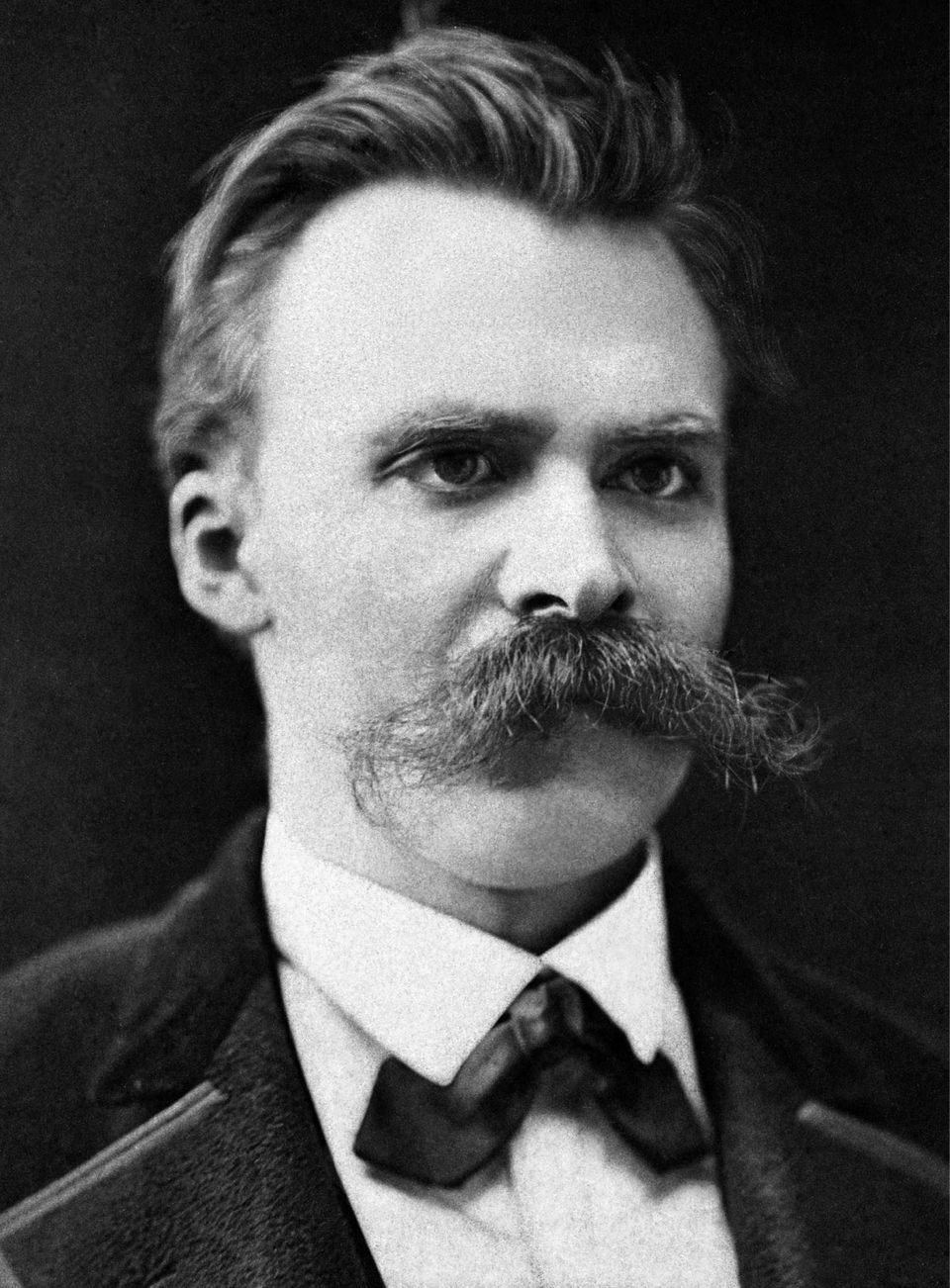
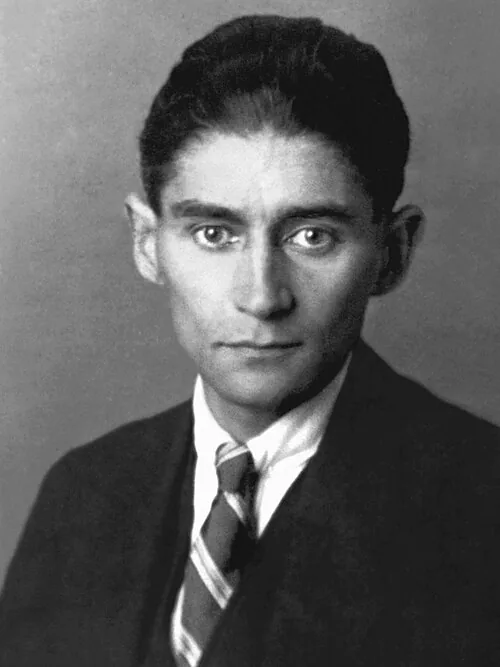
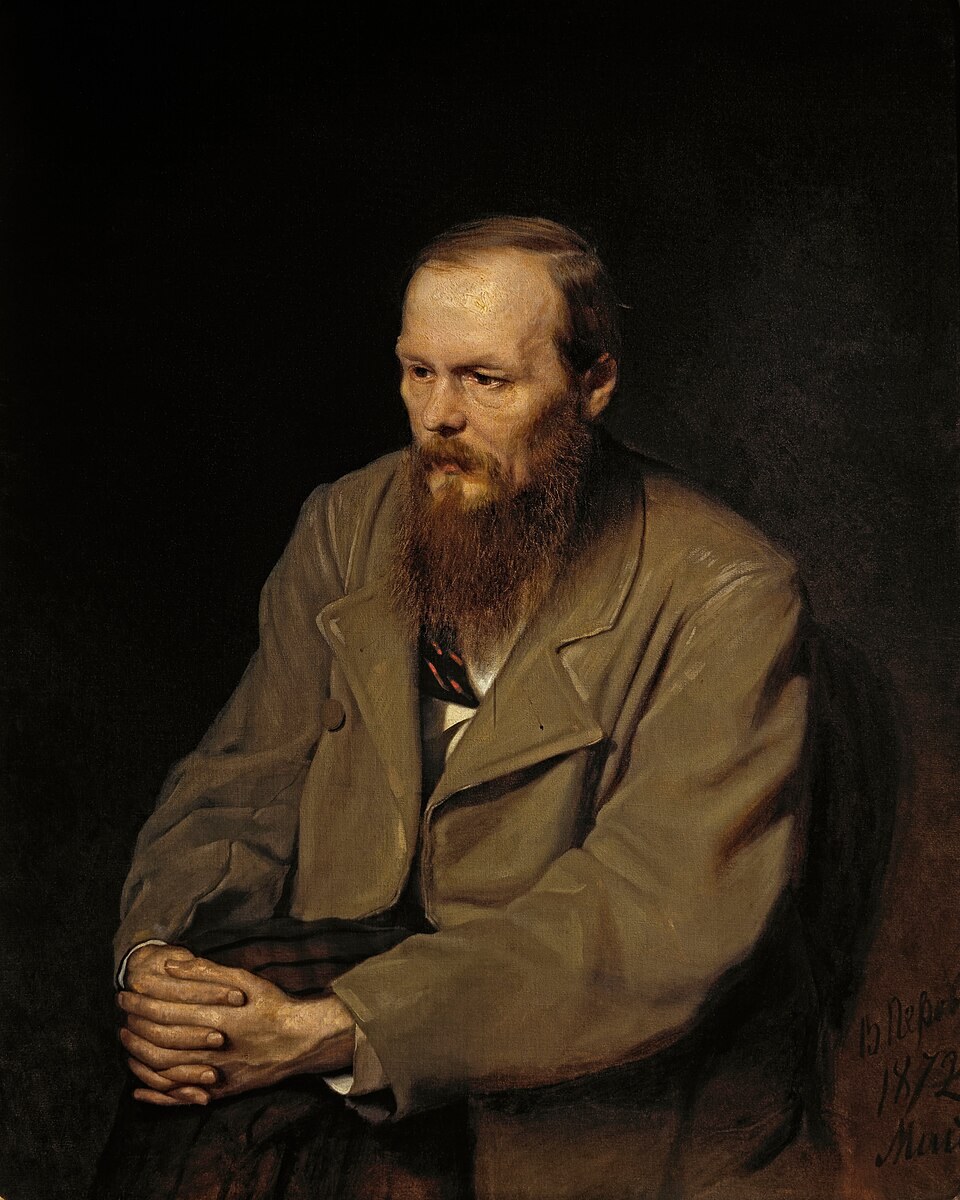
Photograph by Friedrich Hermann Hartmann (c. 1875), public domain. Background removed for the portrait above. · Photograph by an unknown photographer (1923), public domain. Background removed for the portrait above. · Portrait by Vasily Perov (1872), Tretyakov Gallery, via Wikimedia Commons, public domain.


An estimate is an inference.
Yours can be measured.
Thirty questions, scored against general-population benchmarks. Your score, your percentile, your ability breakdown and a printable IIF certificate.
Find your IQ score now! →