



What was Sylvia Plath’s IQ?
Summa cum laude, Phi Beta Kappa, a Fulbright — and a “160” that traces to one education student’s memory.
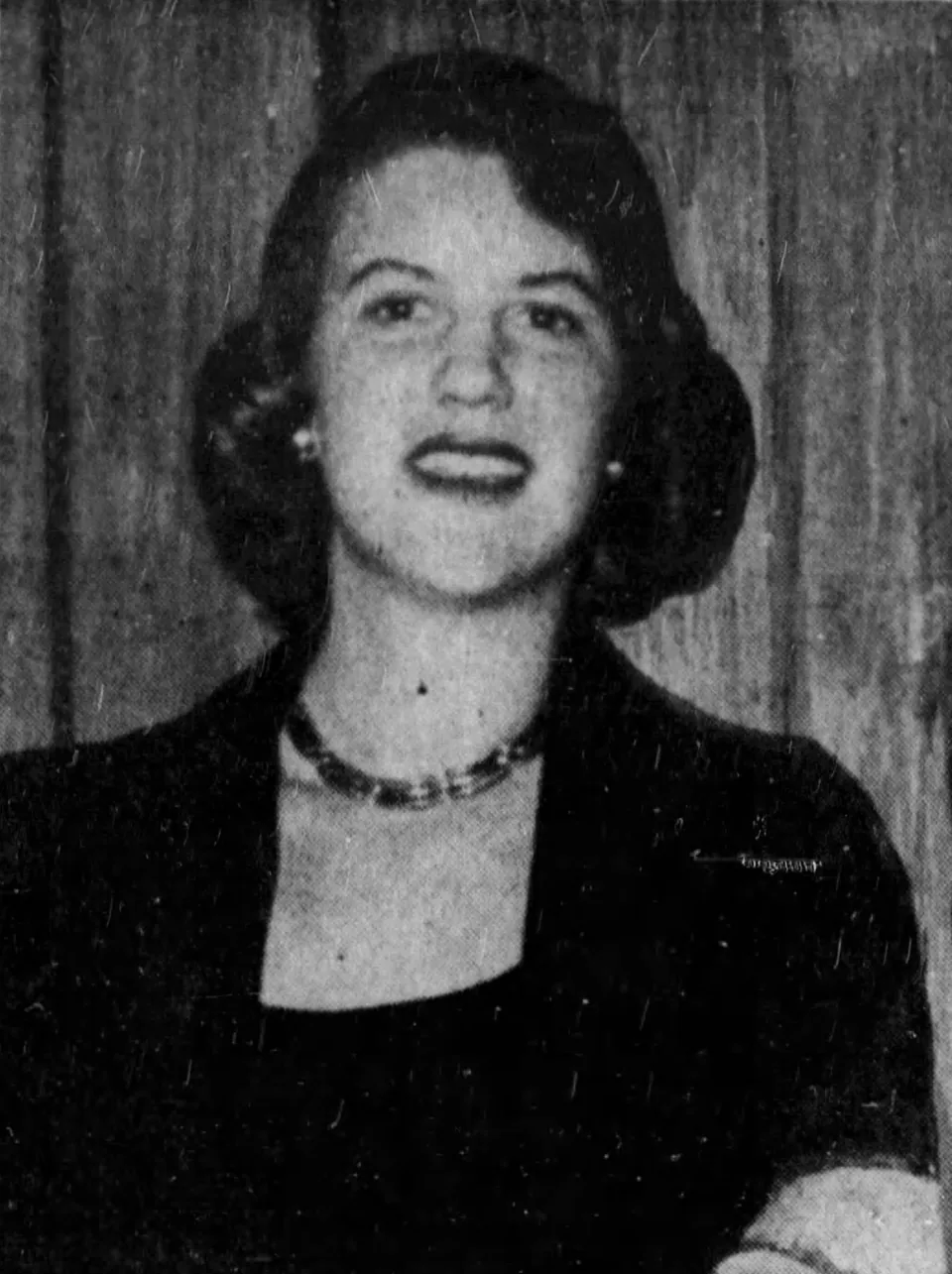
Sylvia Plath’s IQ is usually given as about 160, but no IQ test report for her has been published: the figure comes from a sixth-grade test (1943–44) scored by a university education student and recalled in a biography. What is documented is a Smith College A.B. summa cum laude (June 1955), Phi Beta Kappa membership and a Fulbright to Cambridge.
Sylvia Plath’s estimated IQ
- Graduated from Smith College with an A.B., summa cum laude, in June 1955, after submitting a thesis in January 1955 titled The Magic Mirror: A Study of the Double in Two of Dostoyevsky’s Novels; she was a member of Phi Beta Kappa.
- Held the Olive Higgins Prouty Scholarship at Smith, was named one of 20 guest editors of Mademoiselle magazine in the summer of 1953, and won the Glascock Poetry Prize in 1955.
- Won a Fulbright Fellowship to Newnham College, Cambridge, attended for two years, and took her degree there in June 1957.
- Published The Colossus in 1960 and The Bell Jar in January 1963; Ariel followed in 1965, and The Collected Poems (1981) won the 1982 Pulitzer Prize for Poetry, awarded after her death.
These are documented achievements, not test results, and none of them can tell 140 from 160; the only score on record is a student examiner’s recollection that nobody can check. The range sits just under the circulating figure because a remembered childhood score cannot be placed on a modern scale, and because degrees and prizes show strong ability without fixing a number.
- Born
- October 27, 1932, Boston, Massachusetts
- Died
- February 11, 1963, London, aged 30
- Education
- Smith College, A.B. summa cum laude (June 1955); Newnham College, Cambridge, on a Fulbright (1955–57)
- Honors
- Phi Beta Kappa; Glascock Poetry Prize (1955); Pulitzer Prize for Poetry (1982, posthumous)
- Best-known works
- The Colossus (1960); The Bell Jar (1963); Ariel (1965); The Collected Poems (1981)
- Circulating IQ
- “About 160” — a sixth-grade test (1943–44) scored by a university education student and recalled in a biography; no score report published
- Published IQ test result
- None found
- In Cox’s 1926 study?
- No — born 1932, after the study was published
What an IQ of 140–155 actually means
Set the claim aside for a moment. If someone genuinely scored in this range, here is what that would represent.
Average is 100 by construction, and about two-thirds of people fall between 85 and 115. Take the test to place your own score on this scale.
| Score range | Classification | Share of people | What it indicates |
|---|---|---|---|
| 85 – 114 | Average | ~68% | The range most people fall into. |
| 115 – 129 | Above average | ~13.6% | Roughly one person in seven. |
| 130 – 144 | Gifted | ~2% | The threshold most high-IQ societies use. |
| Above 144 | Highly gifted | ~0.1% | Figures above this range are extrapolated from the curve rather than measured. |
Percentages are approximate and describe a normal distribution. The same number means different things on tests with different standard deviations.
Thirty questions gives you a measured position on this exact scale — your score, your percentile and the ability breakdown behind it.
Find out in 30 minutes →Who Sylvia Plath was
Sylvia Plath was born on October 27, 1932, in Boston, Massachusetts, and attended Bradford Senior High School in Wellesley (now Wellesley High School), graduating in 1950. She published her first poem at the age of eight, won an award for her paintings in the 1947 Scholastic Art and Writing Awards, and had her first national publication, in The Christian Science Monitor, just after leaving high school. The sixth-grade IQ test attributed to her belongs to this school period; it is the only schooling-era evidence offered for the 160, and it is a recollection.
Plath entered Smith College in 1950 and held the Olive Higgins Prouty Scholarship there. In the summer of 1953 she was one of 20 guest editors of Mademoiselle. She was a member of Phi Beta Kappa, submitted her thesis, The Magic Mirror: A Study of the Double in Two of Dostoyevsky’s Novels, in January 1955, won the Glascock Poetry Prize that year, and graduated in June 1955 with an A.B., summa cum laude. Smith College’s library guide to her lists the summa cum laude, the Phi Beta Kappa membership and the Fulbright Fellowship that followed.
The Fulbright took her to Newnham College, Cambridge, where she spent two years (1955–57) and took her degree in June 1957. She taught at Smith College from September 1957. The Colossus and Other Poems was published in London in 1960 and in the United States in 1962; The Bell Jar followed in January 1963 under the pseudonym Victoria Lucas. Plath died in London on February 11, 1963, at the age of 30.
Her second collection, Ariel, was published by Faber and Faber in 1965, and The Collected Poems followed in 1981. That collection received the Pulitzer Prize for Poetry in 1982, making her the fourth person to receive the honor posthumously, as Wikipedia puts it. These are the achievements an estimate can rest on; a prize or a literary reputation is not an IQ test, and this page does not treat either as proof of a particular number.
 By Elora Mercer, Celebrity Research WriterFigures checked by Leon Falkner, Data & Research Analyst
Reviewed by Aarav Vardhan, Editor-in-Chief · Last reviewed August 2026
_(cropped).png)
Sylvia Plath: the documented record
The estimate above rests on this record. Every entry here is a matter of public fact, which is more than can be said for the number itself.
- 1932Born October 27 in Boston, Massachusetts.
- 1943–44In sixth grade, is tested by a Boston University education student as a course assignment; the student later recalls a result of about 160 (Butscher; Clark, 2020).
- 1950Graduates from Bradford Senior High School in Wellesley and enters Smith College.
- 1953Named one of 20 guest editors of Mademoiselle magazine (summer).
- 1955Wins the Glascock Poetry Prize; graduates from Smith in June, A.B., summa cum laude; receives a Fulbright Fellowship to Newnham College, Cambridge.
- 1957Takes her Cambridge degree in June; teaches at Smith College from September.
- 1960The Colossus and Other Poems is published in London.
- 1963The Bell Jar is published in January under the pseudonym Victoria Lucas; Plath dies in London on February 11.
- 1965Ariel is published by Faber and Faber.
- 1982The Collected Poems (1981) wins the Pulitzer Prize for Poetry.
Where the 160 figure came from
Following a claim back to its first appearance is the part almost nobody does — and it is what most people are actually asking.
Sylvia Plath’s IQ is reported as about 160 in reference works as well as on trivia sites, and the trail ends at a remembered school test, not a test report. Wikipedia says she “had an IQ of around 160” and cites two books for it: Edward Butscher’s 1976 biography of Plath (page 27 of the 2003 edition) and the Encyclopedia of Creativity (Runco and Pritzker, eds., 1999, page 388). The Women in World History biographical encyclopedia says “nearly 160” and lists Anne Stevenson’s Bitter Fame among its works cited, but names no test, date or score report.
The most specific account of the Sylvia Plath IQ test comes from her school years. Butscher’s biography (first published in 1976, reissued in 2003) quotes a Miss Humphrey, described as a senior in Boston University’s School for Education taking a course in ability testing during the 1943–44 school year. As a class assignment she had to administer a test to subjects, and one of them was a sixth-grade girl named Sylvia Plath, who answered items correctly at levels far above average for her age. Miss Humphrey is quoted as saying that when she scored the test, the results indicated an IQ of about 160 and a “genius” classification. Heather Clark’s Red Comet (2020) tells it the same way. What is missing is everything that would make it a result: the name of the test, the norms used, a score sheet, or any record made at the time. The score is the recollection of a student examiner who scored her own coursework, and “genius” was her classification, not a test publisher’s.
Online, the qualifiers fall away. A trivia post dated May 3, 2013 on manoflabook.com says that at age 12 Plath’s IQ “was recorded at 160,” and a History Collection list of facts says she was “certified a genius by the age of 12”; neither names a source. Born in October 1932, Plath was 10 or 11 during the 1943–44 school year, so age 12 is wrong on the dates the biographies give. Between the biographies and these pages, “about 160” became exactly 160, “remembered” became “recorded,” and a student’s coursework became a certification. This is the pattern this site documents for celebrity IQ numbers: a single anecdote, repeated until it reads like a measurement.
A score of 160 deserves the same caution on any page. A single childhood test with no named instrument cannot be placed on today’s scale: scoring conventions for children’s tests have changed since the 1940s (see ratio versus deviation IQ), and children who score very high once tend to score lower when retested, a pattern called regression to the mean. A score near the top of the scale is also where tests have the fewest items to separate people (what an IQ of 160 means). None of this shows Plath’s ability was ordinary; it shows the number 160 is not the evidence for it. Against other writers on this site, an estimated IQ of 140–155 puts her level with Oscar Wilde (140–155, built the same way), above George Orwell (135–150, a scholarship but no university) and below Isaac Asimov (155–170), whose completed doctorate is a credential Plath’s record does not contain.
How we read a number →States she “had an IQ of around 160,” citing Butscher (2003, p. 27) and Runco & Pritzker, eds., Encyclopedia of Creativity (1999, p. 388). Also used for the thesis title and date, Phi Beta Kappa, summa cum laude, the Glascock Prize, publication years, the 1982 Pulitzer (fourth posthumous), and the date and place of death. Wikidata Q133054 gives the same birth and death dates.
Confirm summa cum laude in June 1955, Phi Beta Kappa, the Olive Higgins Prouty Scholarship, Mademoiselle guest editor in summer 1953 (one of 20), the Glascock Poetry Prize (1955), the Fulbright to Newnham College, The Colossus (1960), Ariel (1965) and the 1982 Pulitzer Prize.
Biographical sketch confirms entry to Smith in 1950, two years at Newnham on a Fulbright, and her degree in June 1957. The collection (from her mother, acquired 1977) holds school papers among other material; neither page mentions an IQ test or score.
Confirms birth on October 27, 1932, matriculation at Smith in 1950, summa cum laude in 1955, the Fulbright, The Colossus (1960), and the 1982 Pulitzer for The Collected Poems.
Says she had “an IQ of nearly 160”; names no test, date or examiner. Lists Stevenson, Bitter Fame (1989) as a work cited.
Excerpts show a Miss Humphrey, a Boston University School for Education senior taking a course in “ability testing” in the 1943–44 school year, who administered a lengthy test to a sixth-grade Sylvia Plath as a class assignment and says her scoring indicated an IQ of about 160 and a “genius” classification. Wikipedia cites p. 27 for the figure.
The excerpt says an IQ test was given to students at Plath’s school in her sixth-grade year and that the person who gave it remembered a score of “about 160,” classed as “genius” range.
The excerpt reads “IQ was about 160. High school continued in the same vein.”
Retellings that state the figure as exactly 160 and move it to age 12 (“was recorded at 160”; “certified a genius by the age of 12”). Neither cites a source.
No test name, norms, date of scoring or score sheet for Plath was found in the pages checked: Wikipedia, Women in World History, the Smith College pages, Poets.org, the Lilly Library finding aid and collection page, and the book excerpts above.
The sources behind our estimate
The figures that circulate for Sylvia Plath, what we were able to confirm, and where the two diverge.
Reference works and trivia sites give Sylvia Plath’s IQ as 160: Wikipedia says “around 160,” the Women in World History encyclopedia “nearly 160,” and the Encyclopedia of Creativity “about 160”; two trivia pages say it was recorded at age 12 and state it as exactly 160.
This site found no published IQ test report, score sheet or test name for Plath. The trail leads to the 1943–44 school year, when Edward Butscher’s biography says a Boston University School of Education senior, a Miss Humphrey, administered a lengthy test to subjects including a sixth-grade Sylvia Plath as a class assignment. The excerpt of that passage has her saying the results she scored indicated an IQ of about 160 and a “genius” classification. Heather Clark’s 2020 biography Red Comet gives the same account. The Women in World History entry lists Anne Stevenson’s Bitter Fame as its work cited and names no test, and the Lilly Library’s description of its Plath collection, which includes school papers, mentions no test result.
The circulating 160 sits only five points above the top of the estimated range, so the dispute is about evidence rather than size: the number is plausible for a very strong student, but it is a memory, not a measurement, and each retelling has dropped a qualifier (“about,” “remembered,” “scored by a student”).
Want a number that does hold up? Every figure on this page is somebody’s claim. Take the 30-question test and get a percentile you can check rather than a figure you have to trust.
Sylvia Plath — frequently asked
What is Sylvia Plath’s IQ?
Sylvia Plath’s IQ is usually given as about 160, but no IQ test report for her has been published. The figure comes from a sixth-grade test in 1943–44, scored by a university education student and recalled in a biography. Her documented record, a Smith College summa cum laude, Phi Beta Kappa and a Fulbright to Cambridge, supports an estimated IQ of 140–155.
Did Sylvia Plath take an IQ test?
Yes, once as a child, according to two biographies. Edward Butscher quotes Miss Humphrey, a Boston University education student, who tested Plath in the 1943–44 school year as a course assignment and recalled a result of about 160. The test is not named and no score report is published.
What was Sylvia Plath’s IQ score, and is 160 correct?
Nobody can show that 160 is correct. The Sylvia Plath IQ score of “about 160” is one student examiner’s recollection of a school test, repeated in Wikipedia and encyclopedias, and online retellings turn it into exactly 160 at age 12. This site estimates 140–155 from her documented record, slightly below the circulating figure.
Was Sylvia Plath a genius?
“Genius” has no test-based definition, and no IQ result settles it. What is documented: a Smith College A.B. summa cum laude, Phi Beta Kappa membership, a Fulbright Fellowship to Newnham College, and a 1982 Pulitzer Prize for Poetry for The Collected Poems. The “genius” label for her school score came from the student who scored it.
What is Sylvia Plath’s estimated IQ?
This site’s estimate for Sylvia Plath’s IQ is 140–155, inferred from her documented academic and literary record rather than a test. That is the same range as Oscar Wilde’s, above George Orwell’s 135–150 and Franz Kafka’s 130–145, and below Isaac Asimov’s 155–170, which rests on a completed doctorate.
Did Sylvia Plath graduate with honors?
Yes. She graduated from Smith College in June 1955 with an A.B., summa cum laude, and was a member of Phi Beta Kappa. She then studied at Newnham College, Cambridge, on a Fulbright Fellowship and took her degree there in June 1957.
What did Sylvia Plath publish and win?
The Colossus and Other Poems came out in 1960 and The Bell Jar in January 1963. Ariel was published in 1965 and The Collected Poems in 1981; that collection won the 1982 Pulitzer Prize for Poetry, awarded after her death. Earlier, she won the Glascock Poetry Prize in 1955.
How does my IQ compare with Sylvia Plath?
You can find out in about fifteen minutes. The IQ Metrics assessment is 30 questions, scored on the same 100-mean scale used throughout this page, so your result and the estimate above are at least expressed in the same units — one measured, one inferred. Once you have a number, the leaderboard shows where it would sit, and how we score and norm it explains the benchmarking.
Where does this estimate come from?
From the documented record rather than a test — the method is named above and set out in full under how we read a number. Compare it against the other writers profiles, starting with Voltaire.
- Take the 30-question IQ test — get a measured score and percentile of your own
- Average IQ by country — how the scale behaves across populations
- How IQ Metrics scores its assessment — the method behind our own number
- More on how IQ testing works — reliability, error and what a score can and cannot say
- More writers profiles — same field, same method
More writers
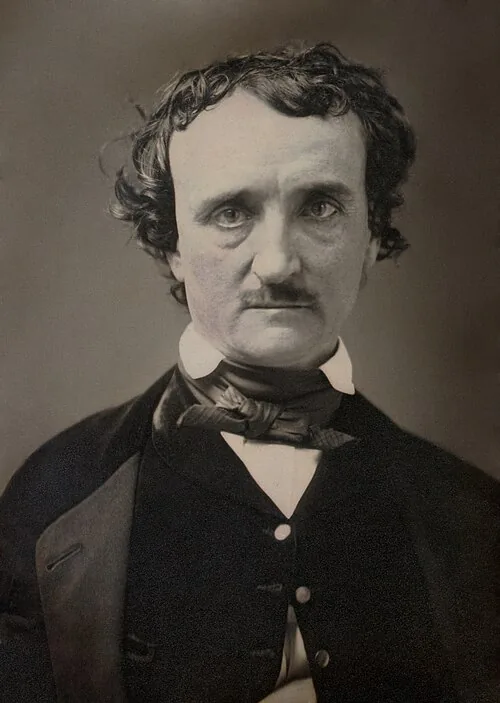
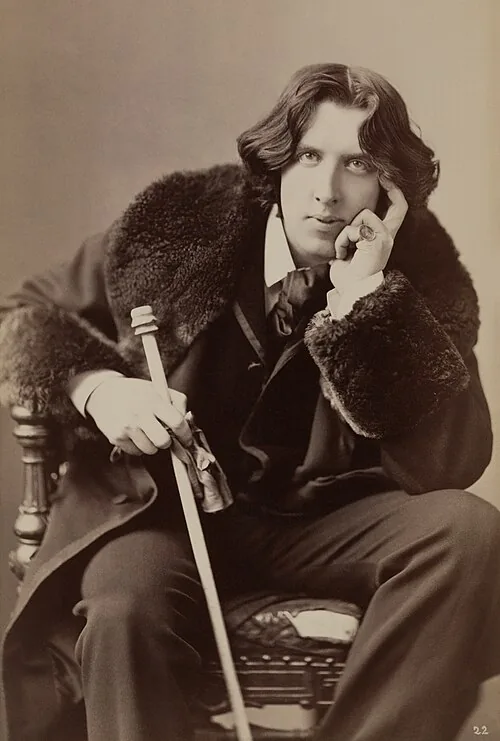
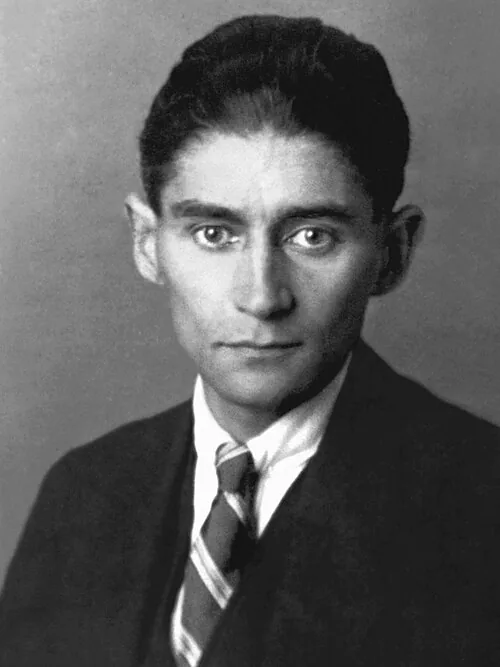
Daguerreotype, c. 1849, photographer unknown; restored version, public domain. · Photograph by Napoleon Sarony (1882), Library of Congress, public domain. · Photograph by an unknown photographer (1923), public domain. Background removed for the portrait above.


An estimate is an inference.
Yours can be measured.
Thirty questions, scored against general-population benchmarks. Your score, your percentile, your ability breakdown and a printable IIF certificate.
Find your IQ score now! →