



What was Isaac Asimov’s IQ?
Scored over 160, ran Mensa, and spent his life arguing the number meant less than people thought.
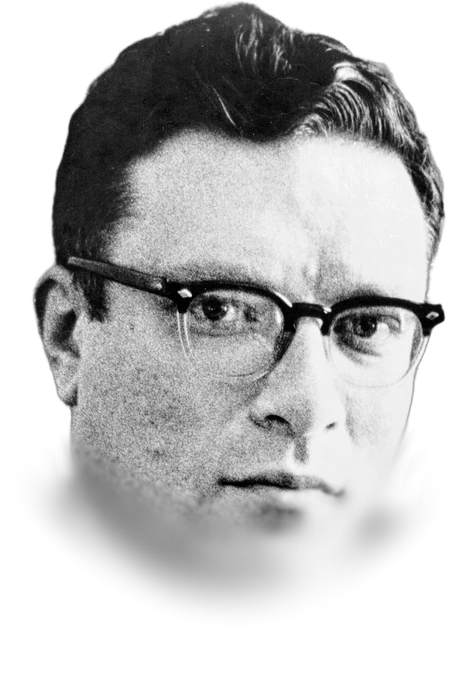
Asimov is the only person in this section who held office in Mensa, said he scored above 160, and wrote a well-known essay explaining why that fact should not impress anybody.
Isaac Asimov’s estimated IQ
- Entered Columbia University at 15 and completed a PhD in biochemistry there in 1948.
- Professor of biochemistry at Boston University School of Medicine, holding the title for the rest of his life.
- Wrote or edited roughly 500 books across fiction and non-fiction, including working textbooks in biochemistry.
- Served as vice-president of Mensa International, an organisation with a measured entry threshold.
The 160-plus figure comes from Asimov himself, describing army tests. It is self-reported, undated and unverifiable, which is exactly the kind of evidence this site is normally sceptical of — and we treat it that way here. The range above rests on the doctorate and the published record, not on his own account of his scores.
- Born
- 2 January 1920, Petrovichi, Russia
- Died
- 6 April 1992, New York City
- Field
- Science fiction; biochemistry
- Education
- PhD biochemistry, Columbia (1948); entered at 15
- Held
- Vice-presidency of Mensa International
- Known for
- Foundation; the Three Laws of Robotics
What an IQ of 155–170 actually means
Set the claim aside for a moment. If someone genuinely scored in this range, here is what that would represent.
Average is 100 by construction, and about two-thirds of people fall between 85 and 115. Take the test to place your own score on this scale.
| Score range | Classification | Share of people | What it indicates |
|---|---|---|---|
| 85 – 114 | Average | ~68% | The range most people fall into. |
| 115 – 129 | Above average | ~13.6% | Roughly one person in seven. |
| 130 – 144 | Gifted | ~2% | The threshold most high-IQ societies use. |
| Above 144 | Highly gifted | ~0.1% | Figures above this range are extrapolated from the curve rather than measured. |
Percentages are approximate and describe a normal distribution. The same number means different things on tests with different standard deviations.
Thirty questions gives you a measured position on this exact scale — your score, your percentile and the ability breakdown behind it.
Find out in 30 minutes →Who Isaac Asimov was
Isaac Asimov was born near Smolensk in 1920 and brought to Brooklyn at three. He read the science-fiction magazines in his family’s candy store, entered Columbia at 15, and completed a doctorate in biochemistry there in 1948 after wartime work at the Philadelphia Navy Yard alongside Robert Heinlein.
He joined Boston University’s medical school faculty and kept the professorship for life, though writing overtook teaching by the mid-1950s. He published across every major division of the Dewey system — fiction, chemistry, history, Shakespeare criticism, the Bible — at a rate that remains difficult to credit.
The Robot stories and the Foundation sequence are the work he is remembered for, and the Three Laws of Robotics have outlived their fiction to become shorthand in real engineering ethics. He died in New York in 1992.
 By Elora Mercer, Celebrity Research WriterFigures checked by Leon Falkner, Data & Research Analyst
Reviewed by Aarav Vardhan, Editor-in-Chief · Last reviewed August 2026
.jpg)
Isaac Asimov: the documented record
The estimate above rests on this record. Every entry here is a matter of public fact, which is more than can be said for the number itself.
- 1920Born in Petrovichi, Russia.
- 1935Enters Columbia University at 15.
- 1942Publishes “Foundation” in Astounding Science Fiction.
- 1948Completes a PhD in biochemistry at Columbia.
- 1949Joins the Boston University School of Medicine faculty.
- 1950I, Robot published.
- 1992Dies in New York City.
Where the 160 figure came from
Following a claim back to its first appearance is the part almost nobody does — and it is what most people are actually asking.
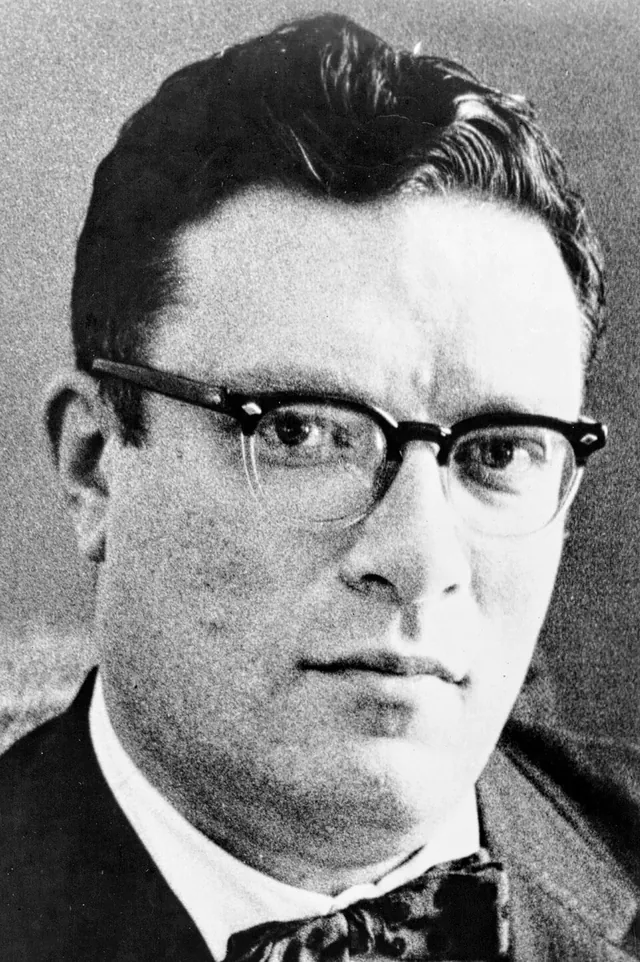
This page is unusual for the section because the source of the number is not an anonymous list — it is the subject, in print, repeatedly. That makes the provenance clean and the evidence weak at the same time. Self-report is testimony, and Asimov, a professional writer with an interest in his own myth, is not a neutral witness about his own scores.
What raises the page above the usual audit is that he made our argument for us, decades earlier and better. His position was that an IQ test measures a particular kind of academic facility, that the people who write the tests share that facility, and that the resulting score therefore tells you how much a person resembles a test-writer. He was not being modest; he was making a claim about construct validity, and it holds up.
He was also, by his own description, unimpressed by some of his fellow Mensa members — the ones who treated the score as an achievement rather than a measurement. Our 155–170 sits below Voltaire and Goethe in this category, and the reason is methodological rather than personal: their figures come from Cox’s historiometric study, which rates dense childhood records and tends to produce high numbers. Asimov’s rests on a completed doctorate, which is a narrower but firmer thing.
How we read a number →Asimov’s own account of his army test scores and his argument that the tests measure resemblance to their authors. The central document for this page.
Institutional record. He entered Columbia at 15.
Held the title from the 1950s onward, latterly without teaching duties.
A documented office. Asimov wrote about the organisation with some ambivalence.
The 160-plus figure is Asimov’s own recollection of army testing. No score report or administering record has been produced.
The sources behind our estimate
The figures that circulate for Isaac Asimov, what we were able to confirm, and where the two diverge.
160 is the standard figure and, unusually, it originates with the subject: Asimov wrote that he consistently scored over 160 on army intelligence tests.
Asimov confirmed the number and then spent an essay taking it apart. In “What Is Intelligence, Anyway?” he described his army scores, then set against them the example of his car mechanic, who could diagnose a fault Asimov could not begin to understand. His conclusion was that the tests were written by academics and rewarded academic aptitude — and that on a test written by his mechanic, he would have failed. It is the most useful thing anyone with a high score has said about high scores.
The higher figures are inflations of Asimov’s own claim. Even the original is self-reported testimony, not a document.
Want a number that does hold up? Every figure on this page is somebody’s claim. Take the 30-question test and get a percentile you can check rather than a figure you have to trust.
Isaac Asimov — frequently asked
What was Isaac Asimov’s IQ?
He wrote that he consistently scored above 160 on army intelligence tests. That figure is self-reported and has never been independently verified. Our 155–170 range rests on his completed doctorate and published record instead.
Was Isaac Asimov in Mensa?
Yes — he served as vice-president of Mensa International. He also wrote about the organisation with some ambivalence, describing members who treated their scores as achievements.
What did Asimov say about IQ tests?
In “What Is Intelligence, Anyway?” he argued that IQ tests are written by academics and therefore reward academic aptitude — so a high score mainly tells you how closely a person resembles the people who wrote the test.
Did Asimov have a doctorate?
Yes, a PhD in biochemistry from Columbia in 1948. He entered Columbia at 15 and was later a professor of biochemistry at Boston University School of Medicine.
Is a self-reported IQ score reliable?
No more than any other self-report. It is testimony rather than a document, which is why this site treats Asimov’s own figure as a claim to be examined rather than a result to be quoted.
Why does Asimov rank below Voltaire and Goethe here?
Because Voltaire and Goethe are rated through Cox’s historiometric method, which reads dense childhood records and produces high figures. Asimov’s range rests on a completed doctorate — narrower evidence, but firmer.
How does my IQ compare with Isaac Asimov?
You can find out in about fifteen minutes. The IQ Metrics assessment is 30 questions, scored on the same 100-mean scale used throughout this page, so your result and the estimate above are at least expressed in the same units — one measured, one inferred. Once you have a number, the leaderboard shows where it would sit, and how we score and norm it explains the benchmarking.
Where does this estimate come from?
From the documented record rather than a test — the method is named above and set out in full under how we read a number. Compare it against the other writers profiles, starting with Voltaire.
- Take the 30-question IQ test — get a measured score and percentile of your own
- Average IQ by country — how the scale behaves across populations
- How IQ Metrics scores its assessment — the method behind our own number
- More on how IQ testing works — reliability, error and what a score can and cannot say
- More writers profiles — same field, same method
More writers
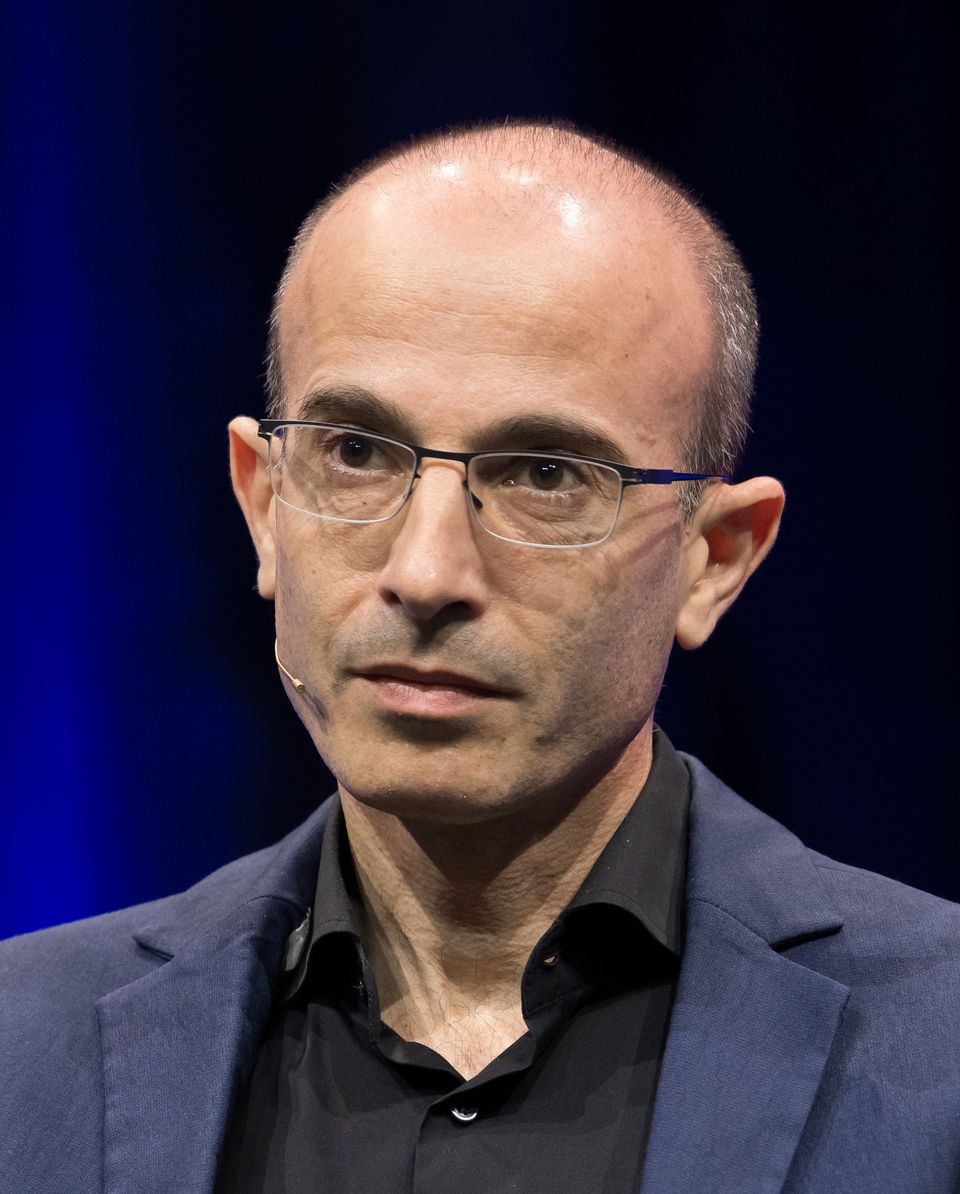
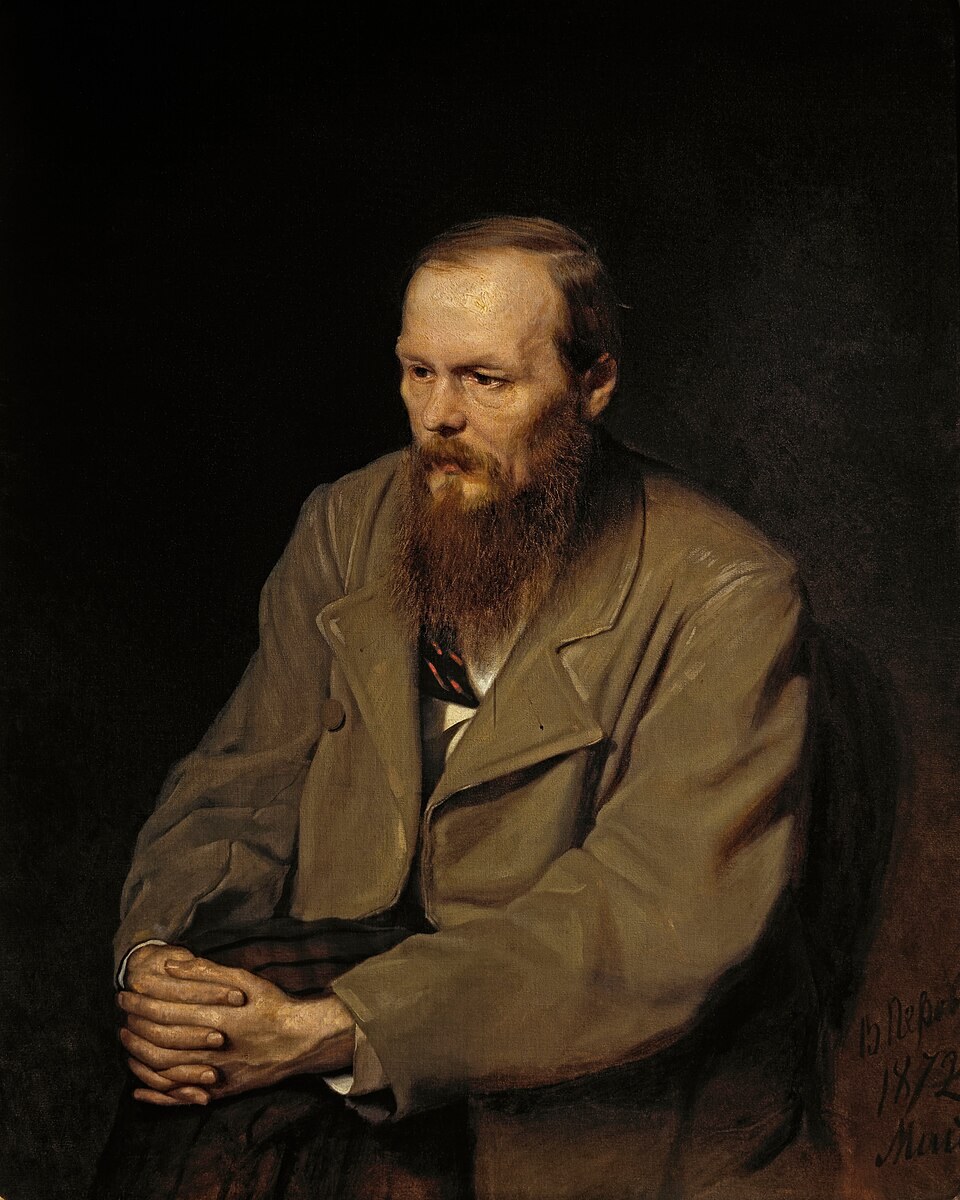
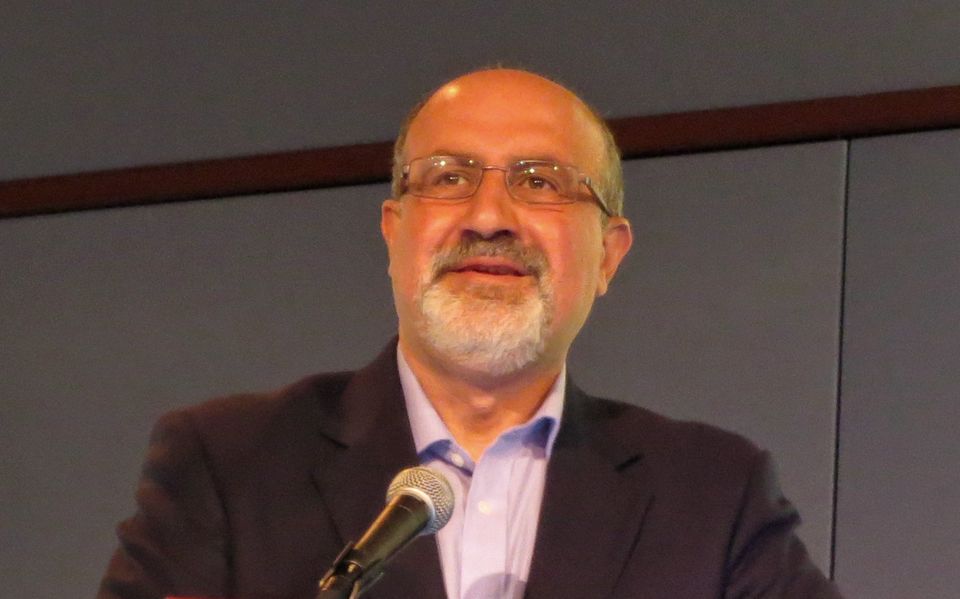
Photograph by Martin Kraft (Frankfurt Book Fair, October 2024), CC BY-SA 4.0. Background removed for the portrait above. · Portrait by Vasily Perov (1872), Tretyakov Gallery, via Wikimedia Commons, public domain. · Photograph by Joe Loong (Tech@State: Moneyball Diplomacy, June 2013), CC BY-SA 2.0. Background removed for the portrait above.
.jpg)


An estimate is an inference.
Yours can be measured.
Thirty questions, scored against general-population benchmarks. Your score, your percentile, your ability breakdown and a printable IIF certificate.
Find your IQ score now! →