



What is Jordan Peterson’s IQ?
A psychologist’s own recollection of a test, never a published score report.
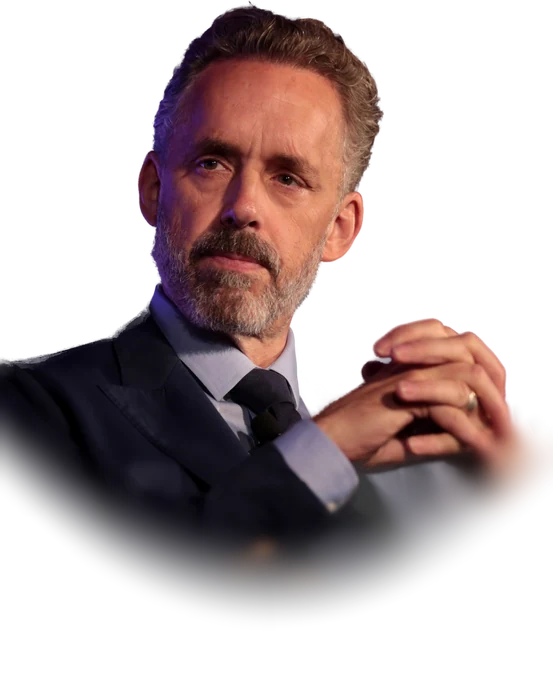
Jordan Peterson’s IQ is not on record: no IQ test result has been published for him. The only number tied to his name is his own recollection, in a June 2017 Q&A video, of a result “in excess of 150” from a test he did not name.
Jordan Peterson’s estimated IQ
- Earned a Ph.D. in clinical psychology from McGill University in 1991 under Robert O. Pihl, then stayed at McGill’s Douglas Hospital as a postdoctoral fellow until June 1993.
- Held an assistant professorship in Harvard’s psychology department from 1993 to 1998, then returned to Canada in 1998 as a professor at the University of Toronto.
- Became professor emeritus at Toronto in late 2021; as of November 2026 the university’s academic calendar lists “J.B. Peterson, PhD” among the psychology department’s emeriti.
- Co-authored a 2003 study in Individual Differences Research that followed 148 boys through six years of school grades and found neuropsychological test scores were more strongly associated with grades than IQ scores.
- Co-authored “Sources of Openness/Intellect” (Journal of Personality, 2005), which reported that fluid and crystallized cognitive ability were positively related to the personality trait Openness/Intellect.
- Co-authored the 2007 Journal of Personality and Social Psychology paper that describes the Big Five Aspect Scales, a 100-item measure of ten personality aspects; his own site credits him with more than a hundred well-cited scientific papers.
- Wrote the bestsellers 12 Rules for Life (2018) and Beyond Order (2021).
A doctorate, a Harvard appointment, two decades as a Toronto professor and a large publication record are checkable. They describe a career, not a test result, and a career fits a wide band of scores. The only number attached to his name is his own recollection of a test whose name and date are unknown.
- Born
- June 12, 1962, Edmonton, Alberta, Canada
- IQ test result on record
- None published; his own recollection of “in excess of 150” (June 2017 Q&A video)
- Field
- Clinical psychology; personality and cognitive-ability research
- Education
- Ph.D., clinical psychology, McGill University (1991)
- Academic posts
- Harvard University (1993–1998); University of Toronto (1998–2021, now emeritus)
- Known for
- 12 Rules for Life (2018); the Big Five Aspect Scales (2007 paper)
What an IQ of 125–140 actually means
Set the claim aside for a moment. If someone genuinely scored in this range, here is what that would represent.
Average is 100 by construction, and about two-thirds of people fall between 85 and 115. Take the test to place your own score on this scale.
| Score range | Classification | Share of people | What it indicates |
|---|---|---|---|
| 85 – 114 | Average | ~68% | The range most people fall into. |
| 115 – 129 | Above average | ~13.6% | Roughly one person in seven. |
| 130 – 144 | Gifted | ~2% | The threshold most high-IQ societies use. |
| Above 144 | Highly gifted | ~0.1% | Figures above this range are extrapolated from the curve rather than measured. |
Percentages are approximate and describe a normal distribution. The same number means different things on tests with different standard deviations.
Thirty questions gives you a measured position on this exact scale — your score, your percentile and the ability breakdown behind it.
Find out in 30 minutes →Who Jordan Peterson is
Jordan B. Peterson was born on June 12, 1962, in Edmonton, Alberta. He earned two bachelor’s degrees from the University of Alberta — political science in 1982, psychology in 1984 — then a Ph.D. in clinical psychology at McGill University in 1991 under Robert O. Pihl, and stayed at McGill’s Douglas Hospital as a postdoctoral fellow until June 1993. Pihl is also a co-author of Peterson’s 2003 study of IQ, neuropsychological tests and school grades.
He taught in Harvard University’s psychology department from 1993 to 1998 as an assistant professor, then became a professor at the University of Toronto in 1998. He became professor emeritus in late 2021. His own site describes him as Professor Emeritus at the University of Toronto and credits him with more than a hundred well-cited scientific papers written with students and co-authors.
His published work that touches on cognitive ability sits inside personality and individual-differences psychology. The 2003 study followed 148 boys for six years, and the 2005 Openness/Intellect paper tested how cognitive ability relates to that trait. He also co-authored the 2007 paper that described the Big Five Aspect Scales (see the Big Five personality traits). None of these papers reports a test result for Peterson himself.
He wrote the bestsellers 12 Rules for Life: An Antidote to Chaos (2018) and Beyond Order: 12 More Rules for Life (2021). He served as chancellor of Ralston College from 2022 until the college announced a successor, Iain McGilchrist, on September 30, 2025; Ralston lists Peterson as a Visitor of the college.
 By Elora Mercer, Celebrity Research WriterFigures checked by Leon Falkner, Data & Research Analyst
Reviewed by Aarav Vardhan, Editor-in-Chief · Last reviewed November 2026

Jordan Peterson: the documented record
The estimate above rests on this record. Every entry here is a matter of public fact, which is more than can be said for the number itself.
- 1962Born in Edmonton, Alberta.
- 1991Completes a Ph.D. in clinical psychology at McGill University.
- 1993Joins Harvard University as an assistant professor of psychology.
- 1998Returns to Canada as a professor at the University of Toronto.
- 2003Co-authors a study of 148 boys relating IQ, neuropsychological testing and school grades.
- 2005Co-authors “Sources of Openness/Intellect,” relating cognitive ability to a personality trait.
- 2007Co-authors the paper describing the Big Five Aspect Scales.
- June 2017Says in a Q&A video that he “had it tested at one point,” with a result “in excess of 150.”
- 2018Publishes the bestseller 12 Rules for Life.
- 2021Becomes professor emeritus at the University of Toronto; publishes Beyond Order.
- 2022Becomes chancellor of Ralston College.
- 2025Ralston College announces a successor as chancellor (September 30); Peterson remains a Visitor of the college.
Where the 150 figure came from
Following a claim back to its first appearance is the part almost nobody does — and it is what most people are actually asking.
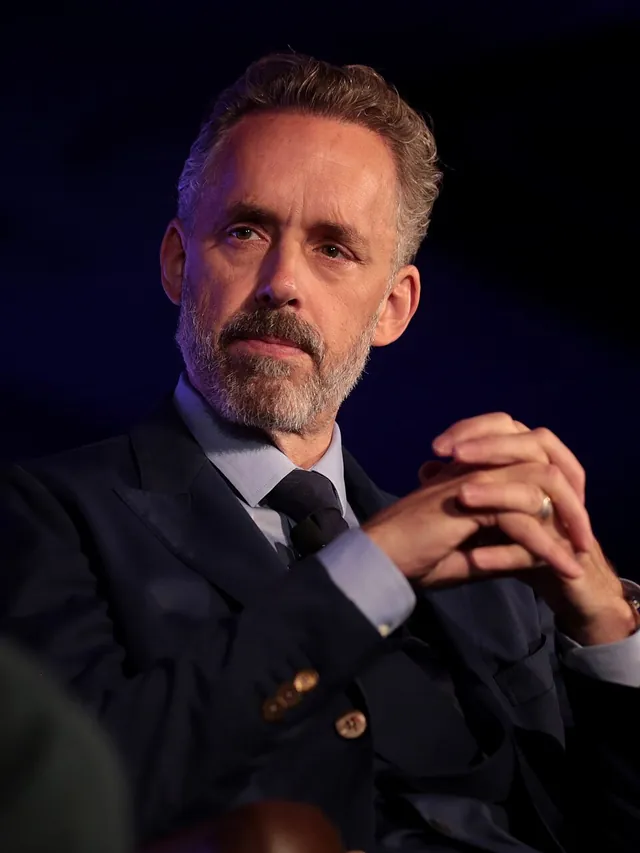
Jordan Peterson’s IQ score has never been published. The only figure tied to his name is his own recollection: in a Q&A video on his YouTube channel titled “Q & A 2017 06 June,” he said he “had it tested at one point” and put the result “in excess of 150.” Riot IQ, which transcribes the exchange and dates the video to June 1, 2017, reports that no test name, administration date, examiner or score report has been made public.
Did Jordan Peterson take an IQ test? By his own account, once, but the account stops there. He said he did not know “exactly where it lands now” and, as Riot IQ transcribes it, “I don’t know what my IQ is.” A real score report names the test, the scale and the date (see how to read an IQ test report); a memory with none of those cannot be checked.
Riot IQ also quotes Peterson on the GRE: he put his quantitative result at “about 70, 75th percentile” and, with a hedge (“I think”), placed his verbal result near the 99th. These are recollections of an admissions test, not IQ scores and not score reports. Some bloggers have converted them into an IQ estimate, which is arithmetic on a memory. For how admissions-test percentiles relate to IQ, see the GRE and LSAT to IQ guide.
With no score to audit, this page estimates a range from the record instead: a McGill Ph.D. in clinical psychology (1991), a Harvard psychology appointment (1993–1998) and a Toronto professorship (1998–2021). Sam Harris and Richard Dawkins are estimated in a similar way, from doctorates and academic careers, and Neil deGrasse Tyson likewise has an academic-record range beside a separate circulating number. A career fits a wide band of scores, which is why the range here is wide.
How we read a number →Source of the “in excess of 150” self-report; the wording used on this page is the transcription published by Riot IQ.
Transcribes the self-report and his GRE percentile remarks, dates the video to June 1, 2017, and states that no test name, administration date, examiner or score report has been made public.
Followed 148 boys through six years of school grades; neuropsychological test scores were more strongly associated with grades than IQ scores.
Reports that fluid and crystallized cognitive ability were positively related to Openness/Intellect, a trait the authors describe as primarily cognitive.
Describes a 100-item measure of ten personality aspects, the Big Five Aspect Scales.
Lists J.B. Peterson, PhD, among the department’s professors emeriti.
Describes him as Professor Emeritus at the University of Toronto and credits him with more than a hundred well-cited scientific papers.
Says Peterson served as chancellor “these past three years,” names Iain McGilchrist as the new chancellor, and lists Peterson as a Visitor of the college.
Used for orientation: birth date and place, University of Alberta and McGill degrees, the McGill fellowship, and Harvard and Toronto dates.
No score report, test name, examiner or date has been published for Peterson; the only figure is his own recollection.
The sources behind our estimate
The figures that circulate for Jordan Peterson, what we were able to confirm, and where the two diverge.
In a Q&A video on his own YouTube channel, titled “Q & A 2017 06 June” and dated June 1, 2017 by Riot IQ, Peterson said he “had it tested at one point” and that the result was “in excess of 150,” adding that he did not know “exactly where it lands now.” The figure has since been repeated on IQ-ranking and quiz sites, with varying numbers attached.
No IQ test result for Peterson has been published. His quoted claim — “in excess of 150” — names no test, examiner or date, and he also said, “I don’t know what my IQ is.” He described his GRE percentiles from memory too, putting the quantitative section at “about 70, 75th percentile” and the verbal section near the 99th. The GRE is a graduate-admissions test, not an IQ test, and some bloggers who convert those percentiles into an IQ are doing arithmetic on a recollection.
150 is Peterson’s own recollection of a test taken years earlier. The other figures in circulation come from bloggers’ conversions of his remembered GRE percentiles or from sites repeating the quote with changes; none comes with a test name, a date or a score report.
Want a number that does hold up? Every figure on this page is somebody’s claim. Take the 30-question test and get a percentile you can check rather than a figure you have to trust.
Jordan Peterson — frequently asked
What is Jordan Peterson’s IQ?
Jordan Peterson’s IQ has never been published, so there is no verified number. The only figure tied to his name is his own recollection, in a June 2017 Q&A video, that a test once put him “in excess of 150.” He did not name the test or the year, so this page treats the 150 as a self-report and estimates a range from his academic record.
Did Jordan Peterson take an IQ test?
By his own account he did, once: in a June 2017 Q&A video he said he “had it tested at one point.” He has not named the test, the date or the examiner, and no score report has been published, so the result cannot be checked. Riot IQ, which transcribes the video, says none of those details has been made public.
What is Jordan Peterson’s IQ score?
No measured Jordan Peterson IQ score exists in the public record. The range this site shows, 125–140, is inferred from his documented career: a 1991 Ph.D., a Harvard appointment and a Toronto professorship. It is wide because a career fits many scores, and it is not a claim that he has tested at any particular number.
Is Jordan Peterson smart, and does he have a high IQ?
His record is that of a high-ability academic: a Ph.D. in clinical psychology from McGill in 1991, a Harvard psychology appointment from 1993 to 1998, and a Toronto professorship from 1998 until he became professor emeritus in late 2021. That fits a high IQ but does not fix a number, because many different scores are compatible with the same career. Carl Jung is another psychologist whose range here rests on achievement, not a test.
Why do websites list different IQ numbers for Jordan Peterson?
The only source is a spoken recollection with no test attached, so any site can round it, restate it or recalculate it. Riot IQ notes that secondary sites recycle the quote with varying numbers attached. A different number on another page is not evidence of a second test; see where celebrity IQ numbers come from.
Does Jordan Peterson’s GRE score tell us his IQ?
No. As Riot IQ transcribes the Q&A, Peterson put his GRE quantitative result at “about 70, 75th percentile” and, with a hedge, his verbal result near the 99th. The GRE is a graduate-admissions test, and these figures are recollections, not score reports, so they cannot stand in for an IQ result.
Does Jordan Peterson’s academic background make his self-reported IQ more credible?
It makes him well placed to understand what a score means, but it does not turn a recollection into a measurement. He co-authored a 2003 study that used IQ scores alongside neuropsychological tests, so he has worked with these instruments directly. Only a score report naming the test, the scale and the date would settle the figure.
What has Jordan Peterson published about intelligence and IQ testing?
He co-authored a 2003 study in Individual Differences Research that followed 148 boys for six years and found neuropsychological test scores were more strongly associated with school grades than IQ scores. He also co-authored the 2005 Journal of Personality paper “Sources of Openness/Intellect,” which reported that fluid and crystallized cognitive ability were positively related to that trait. For how personality and IQ relate, see IQ vs. personality.
What is Jordan Peterson’s highest level of education?
A Ph.D. in clinical psychology from McGill University, completed in 1991 under Robert O. Pihl. Before that he earned two bachelor’s degrees from the University of Alberta, in political science (1982) and psychology (1984).
Is Jordan Peterson still a professor?
He is a professor emeritus of the University of Toronto, where he taught from 1998 and became emeritus in late 2021. As of November 2026 the university’s academic calendar lists “J.B. Peterson, PhD” among the psychology department’s emeriti.
How does my IQ compare with Jordan Peterson?
You can find out in about fifteen minutes. The IQ Metrics assessment is 30 questions, scored on the same 100-mean scale used throughout this page, so your result and the estimate above are at least expressed in the same units — one measured, one inferred. Once you have a number, the leaderboard shows where it would sit, and how we score and norm it explains the benchmarking.
Where does this estimate come from?
From the documented record rather than a test — the method is named above and set out in full under how we read a number. Compare it against the other scientists profiles, starting with Albert Einstein.
- Take the 30-question IQ test — get a measured score and percentile of your own
- Average IQ by country — how the scale behaves across populations
- How IQ Metrics scores its assessment — the method behind our own number
- More on how IQ testing works — reliability, error and what a score can and cannot say
- More scientists profiles — same field, same method
More scientists
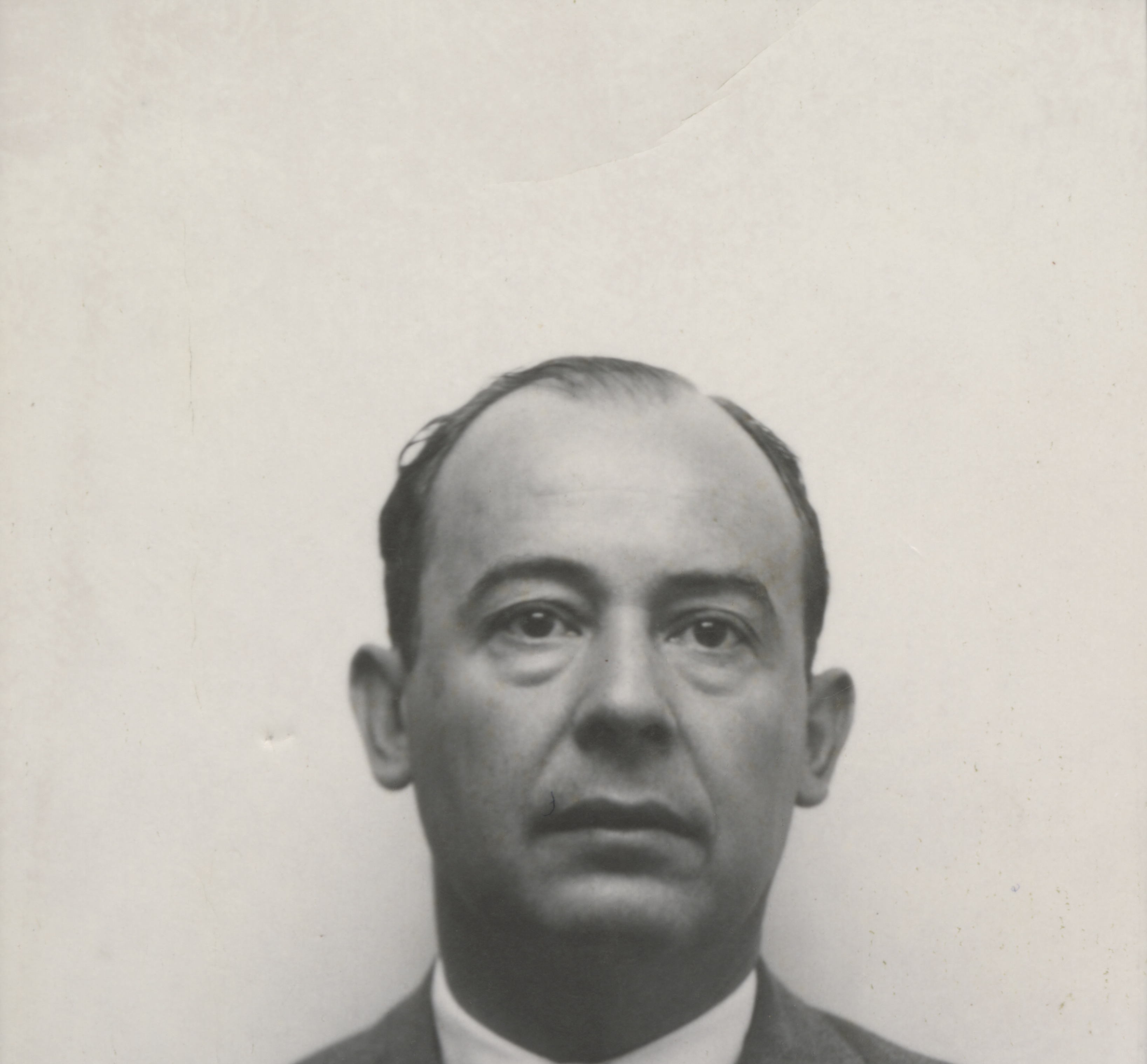
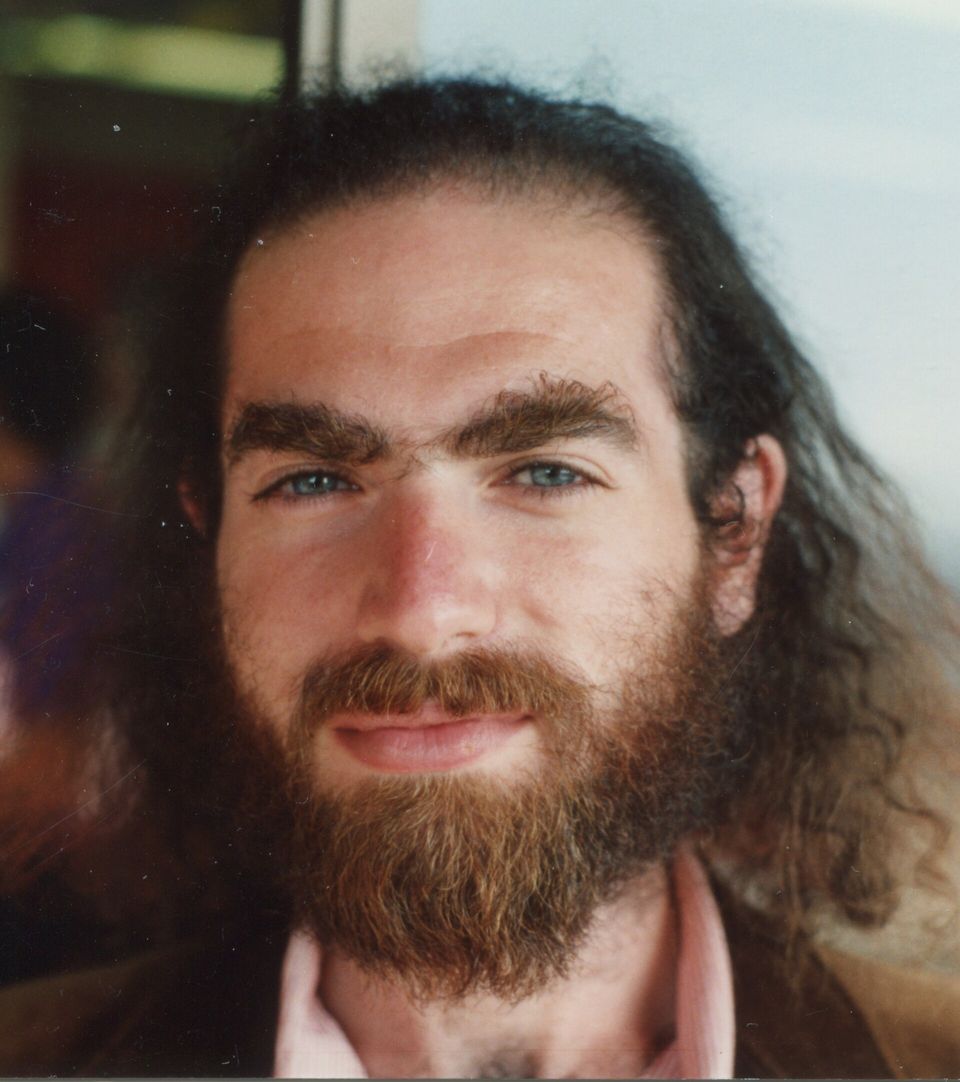
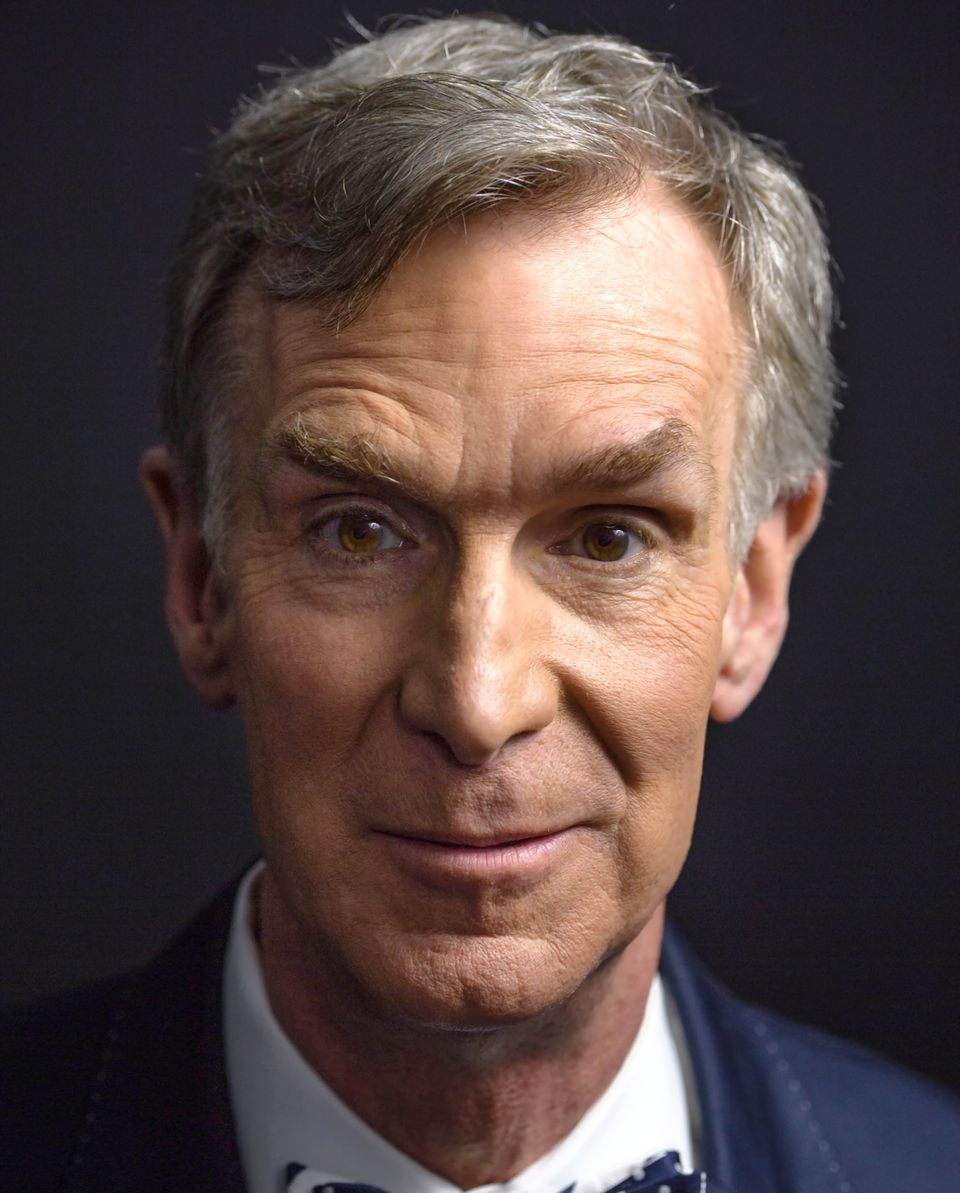
Los Alamos National Laboratory badge photograph, c. 1940s, public domain (PD-LosAlamos). Background removed for the portrait above. · Photograph by George Bergman (Berkeley, September 1993; re-scanned), CC BY-SA 4.0. · Photograph by Montclair Film Festival (photo by Neil Grabowsky, May 2017), CC BY 2.0. Background removed for the portrait above.


An estimate is an inference.
Yours can be measured.
Thirty questions, scored against general-population benchmarks. Your score, your percentile, your ability breakdown and a printable IIF certificate.
Find your IQ score now! →